







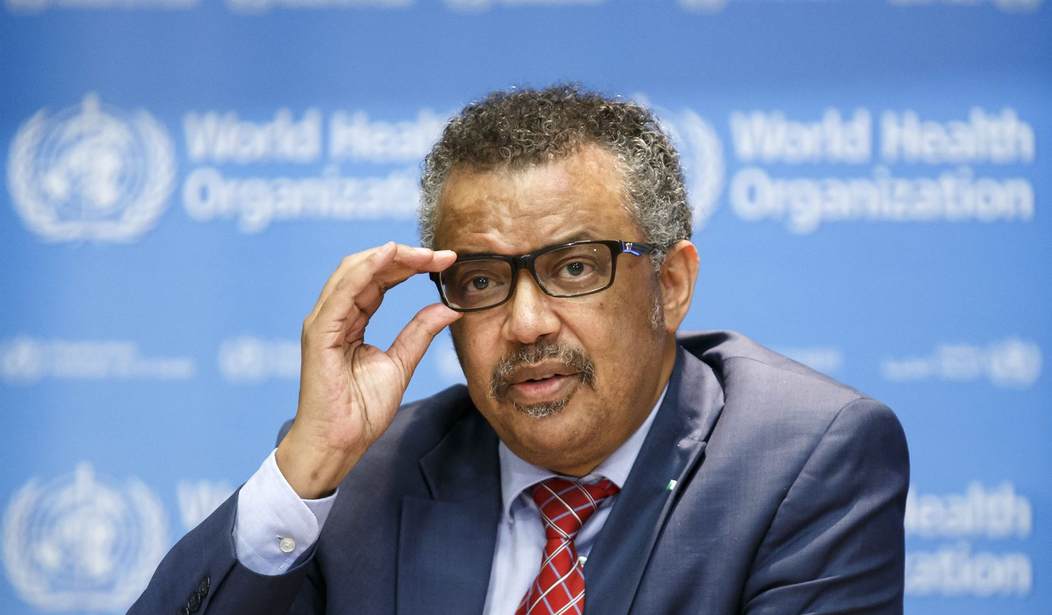
As the World Health Organization (WHO) stares down a $600 million deficit in 2025, its solution is not to look inward, tighten belts, or confront its own policy failures. Instead, it wants to reach deeper into the pockets of consumers and taxpayers through sweeping “sin taxes” on tobacco and alcohol – and anything else it deems unhealthy. This isn’t sound public health. It’s regressive social engineering. These taxes are crafted by unelected bureaucrats, funded by taxpayers, and levied on the backs of consumers already struggling with the cost of living.
The arrogance is staggering.
Earlier this month, WHO Director-General Dr. Tedros Adhanom Ghebreyesus told a town hall that governments should fill funding gaps left by declining contributions with domestic sin taxes. This came just days after the United States moved to withdraw billions from global health programs, citing inefficiency and mismanagement. For the WHO, the lesson isn’t humility, it’s hostility.
Dr. Tedros had recently talked of the need for the WHO to reform, but now the agency has found a way of avoiding its poor spending practices by, instead, putting additional burdens on taxpayers in an already difficult economy.
To be clear, the WHO is unelected. It operates outside of democratic accountability, yet wields enormous influence over national health policy, especially in low- and middle-income countries. Its leadership, policy direction, and budget priorities are not subject to any direct oversight by the people whose lives it affects. And yet, the public foots the bill through national contributions, charitable donations, and now, potentially, through higher prices on products they legally choose to use.
This is not how democracy is supposed to work.
And it's not just about funding. The WHO is pushing a narrow and self-righteous model of public health that has long since been discredited. Its playbook is stuck in a prohibitionist past, where sin taxes are the only weapon it knows how to wield. Instead of evolving with science and supporting modern harm reduction strategies, it remains hostile to innovation, particularly in the case of reduced-risk nicotine products.
It is the same, failed, prohibitive ideology from the WHO. Australia has already seen how following restrictive practices recommended over two decades by the WHO’s Framework Convention on Tobacco Control (FCTC) treaty leads to illicit trade, arson attacks and, as a result, failure to achieve public health goals. But the organization refuses to learn, it would seem.
Perhaps because embracing a policy of persuading the public to consume less harmful options such as low alcohol beverages or sugar free sodas, rather than resorting to crude and bullying sin taxes, would require the WHO to abandon its outdated and puritanical worldview and admit that people can make informed choices about their health. It would mean prioritizing actual health outcomes over ideology. But that doesn’t fit the narrative. It's easier to slap taxes on everything and call it progress.
We know who will pay for the WHO’s proposals. Not the corporations. Not the policymakers. And certainly not the NGO elites flying business class to conferences. No, it’s regular people, especially in poorer countries, who will bear the cost. These taxes are regressive by design. They hit low-income populations hardest, many of whom already face enormous barriers to accessing basic healthcare. For someone barely scraping by, a tax on a legal product they enjoy or rely on is not just a health nudge. It’s a slap in the face.
The lack of empathy is astonishing. There is a widely recognized feeling that the WHO’s processes and policies have failed. Yet, soon after the agency held out the begging bowl for countries to squeeze more cash from their citizens to fill holes in its budget, its highly-paid directorship, including Dr. Tedros, flew across the globe to Dublin for a tobacco control conference. Apparently, Zoom isn’t good enough when travel perks are on offer. Also, you can’t enjoy a taxpayer-funded dance party on Zoom.
It’s austerity for the people, luxury for the bureaucrats.
There is a growing global disillusionment with supranational agencies that are detached from public sentiment and divorced from accountability. The U.S. move to cut WHO funding, whether one agrees with it or not, is a response to perceived chronic dysfunction. Taxpayers in the U.S. or anywhere else should not be expected to bankroll an organization that refuses to adapt, that demonizes harm reduction, and that now proposes to make up for its budget crisis by taxing the very people it claims to serve.
The WHO needs to wake up. Public health is not about moral purity, it’s about practical, evidence-based strategies that meet people where they are and help them lead longer and healthier lives.
It means being fiscally responsible, not jet-setting on the public dime. And it means building trust, not punishing consumers for choices the WHO doesn’t approve of.
If the WHO wants more funding, it needs to earn it. That starts with reform, humility, and a willingness to listen, not more taxes, more control, and more finger-pointing.
Martin Cullip is International Fellow at The Taxpayers Protection Alliance's Consumer Center and is based in South London, UK.

Join the Conversation
VIP members get the ability to comment on articles.