







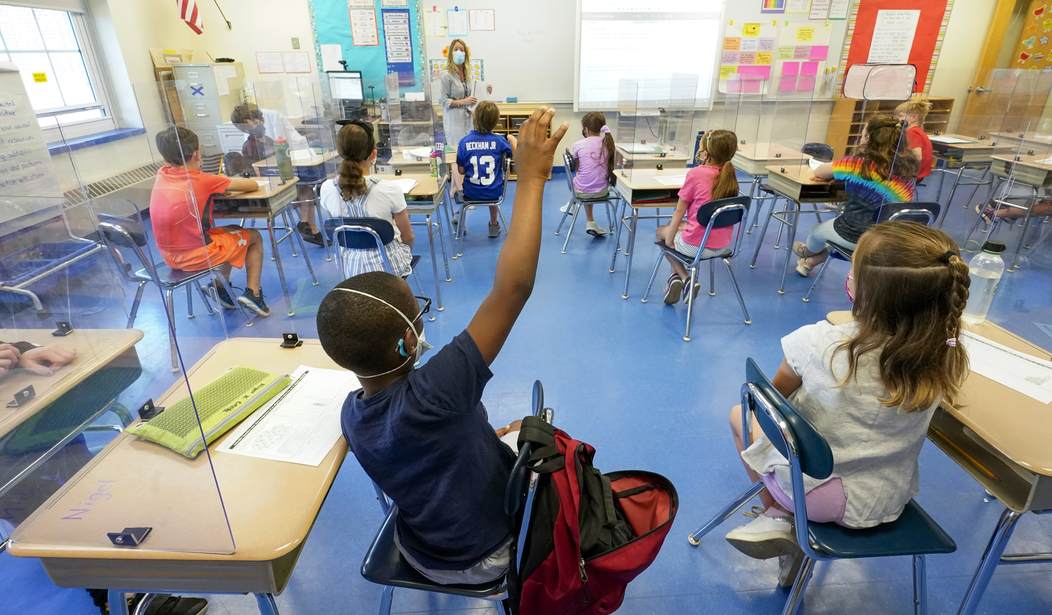
Now, more than ever, parents must become active participants in their child’s education. Here’s what you need to know.
Your Child’s Teacher
Educators play an integral role in what and how kids learn. Unsurprisingly, teachers have a tremendous impact on student success, including academic development and learning outcomes. But, educators also play a crucial role in the development of non-cognitive skills; they teach social skills such as teamwork, character traits such as self-discipline, organization, or staying on task. Educators are positioned to influence your child’s belief system; the way they think and what they believe.
Parental Involvement
Parents are the first line of defense for their child. They know their child’s individual needs, and have the authority to determine what their child will be taught; the foundational values, morals and principles that will form their child’s core beliefs. In order to make such decisions, parents must know and understand the information taught in schools. That means developing a positive relationship with their child’s educator. A Parental involvement is also key to student success. Studies have shown that parents who are engaged and work cooperatively with teachers significantly improve educational attainment of children—including children’s attitudes about school, higher grades and increased long-term educational outcomes.
What Can Parents Do? ASK QUESTIONS
Given the tremendous impact teachers have on your children—and the racial and political division in our public schools, parents must get involved in entirely new ways. Here are five questions to ask your child’s teacher to ensure you understand the instruction your child is receiving.
1. What do you most hope to accomplish in my child’s classroom this year?
Get to know the primary goals of your child’s teacher. Ask questions that allow educators to answer and provide insight into their personal and professional goals. Learn what he or she wants to accomplish this year—and how they are going to accomplish it.
2. How much do you emphasize, both in daily instruction and in interactions with students, your own personal views?
Ask questions that provide information about how your teacher approaches educating your child. You want to know how your teacher views his or her role in the classroom. You want to know what the teacher believes about the appropriate way to engage with students in the classroom. This information reveals how the educator approaches classroom discussions, particularly in non-academic areas of instruction.
3. How do you ensure that classroom discussions about current events and social issues don’t force students to accept positions they may personally disagree with?
Teachers often engage in discussions that pertain to current events. As we’ve seen in a number of recent examples, this can sometimes include imposing specific beliefs on students—or requiring students to accept or ascribe to a particular viewpoint. Ask questions that reveal how educators convey information; whether they view themselves as neutral transmitters of information and create environments that allow for the open exchange of ideas.
4. How do you define equity and how do you work to ensure educational equity in your classroom?
Educational equity is a term that has evolved over the last decade. Educators define the term differently—and that is often impacted by school-level and district-level beliefs and initiatives. There is an appropriate and useful way to present and discuss issues involving racial equity, social justice and racial discrimination in the classroom. You want to know what information is presented to your child and how it’s presented.
5. How important is discussing race or social justice in your classroom and how do you incorporate these issues into classroom activities?
You want to know the extent to which your child’s teacher prioritizes ideological concepts into your child’s curriculum and classroom activities. This is another question that provides information about how your teacher—or even the school district—is prioritizing teaching ideologically-driven content or even incorporating such content into core academic areas such as history, English or mathematics.
Conclusion
Teachers are impactful and teaching is hard. You can develop a relationship with your child’s teacher that acknowledges their unique role—yet empowers you to make educational decisions for your child.
This may not work. You may have a teacher who refuses to provide this information; some teachers have been instructed by their school district not to answer questions from parents. In those situations, you can and should seek information elsewhere; approach your child’s principal or superintendent; reach out to your locally elected school board members. But, engaging with your child’s teacher should be the first step.
Kim Richey is a Distinguished Education Fellow for Parents Defending Education



Join the Conversation
VIP members get the ability to comment on articles.