







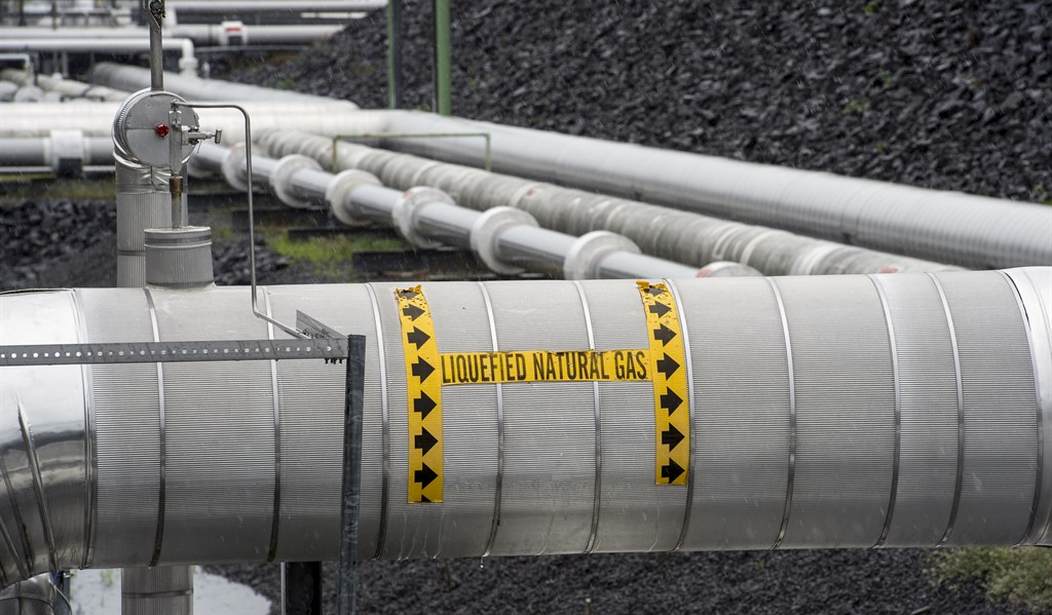
Trial lawyer lawsuits threaten Louisiana’s LNG future just as global energy security faces new tests from Iran.
As Iran targets vital oil and gas routes, Americans are reminded that energy is power — and Louisiana stands on the front lines. Families here at home feel it when prices spike at the pump or in their utility bills.
The ongoing conflict with Iran reminds us yet again that energy policy is not an academic debate. It is a matter of national security and household survival.
Iranian rocket and drone attacks have rattled vital energy facilities across the Middle East, disrupting liquified natural gas (LNG) flows and shaking global markets. Strikes have crippled production in Qatar and have forced regional shutdowns – causing surging oil prices that can be felt globally.
Tensions near the Strait of Hormuz only heighten the pressure. A massive share of the world’s seaborne oil passes through that narrow channel. When futures markets surge, small businesses that depend on affordable fuel face painful uncertainty. That volatility is a reminder of why American energy dominance is critical. Energy hubs like Louisiana, with their ports, pipelines, and LNG export terminals, are precisely where American strength can answer the disruption.
A strong supply of American oil and gas keeps prices stable, gives President Trump leverage over petro-states, and lets us support allies when regimes turn off the taps. Every barrel we produce starves Tehran and Moscow. Every ship of American LNG bound for Europe or Asia strikes back at those who weaponize energy.
From Lake Charles to Cameron Parish, that strength is not abstract; it’s the paychecks, shiploads, and export terminals that connect Louisiana workers to America’s global influence.
Few states matter more to that mission than Louisiana. For generations, its workers and refineries have powered America’s prosperity—from World War II aviation fuel to today’s petrochemical products. Today, Louisiana stands as a global LNG hub, its ports and pipelines linking our fields to energy-hungry allies.
But that leadership is now under siege. In Plaquemines Parish and along the coast, local officials, backed by activists and well-funded trial lawyers, are suing the very companies that built America’s energy infrastructure. They are pursuing billion-dollar verdicts for work done decades ago, often at the government’s own request and in compliance with the law of the time. One jury has already issued a massive judgment, and dozens more cases loom.
Trial lawyers view every dredged canal or laid pipeline as a future payout, transforming old permits into new windfalls. The Plaquemines case now before the U.S. Supreme Court shows what’s at stake. During World War II, Washington enlisted energy companies to fuel victory against tyranny. Eighty years later, those same companies stand accused of doing their duty. If that precedent holds, no federal partner in future national projects is safe from retroactive penalties by a runaway jury.
This pattern of legal abuse extends nationwide.
In Boulder, Colorado, officials are trying to stretch the ancient legal concept of “public nuisance,” once meant to address local harms like pollution or property damage, into a weapon against global energy producers. They claim that climate change itself is a “nuisance,” giving one city the power to dictate national energy policy through the courts. Other blue jurisdictions are following suit, attempting to impose through litigation what Americans have already rejected at the ballot box.
This is not about the environment; it’s about power. These lawsuits don’t cut emissions; they merely export production to nations with weaker environmental standards and empower hostile regimes. They erode our energy security while funneling wealth from workers and retirees to plaintiffs’ firms.
Louisiana’s future – and America’s strength – depend on rejecting this court-driven sabotage. Leaders want deeper channels, greater LNG capacity, and billions in energy investment. Yet few, if any, companies are willing to invest in a state that punishes permitted work decades after the fact. We cannot champion energy independence while treating producers as enemies.
To confront Iran and protect American families, we must end the weaponization of the courts. Let elected leaders – not courtroom opportunists – set national energy policy. Louisiana helped America fuel freedom once before. It should lead again by powering a new era of energy independence.
Ken Blackwell formerly served as U.S. Ambassador to the United Nations Human Rights Commission.
Editor’s Note: Do you enjoy Townhall’s conservative reporting that takes on the radical Left and woke media? Support our work so that we can continue to bring you the truth.
Join Townhall VIP and use promo code FIGHT to receive 60% off your membership.
Join the Conversation
VIP members get the ability to comment on articles.