





Anyone who's watched a courtroom TV drama has heard the phrase "Hard cases make bad law." It's a legal maxim that says really extreme -- i.e., rare or weird -- cases are not only hard to generalize from, they're also a bad foundation for new legislation or policy.
This also happens to be a good rule of thumb in life. Imagine if you judged all people of a certain race, sex or occupation based upon the strangest anecdote you have about someone who fits a particular category. Not every male in the Sunshine State is like "Florida Man."
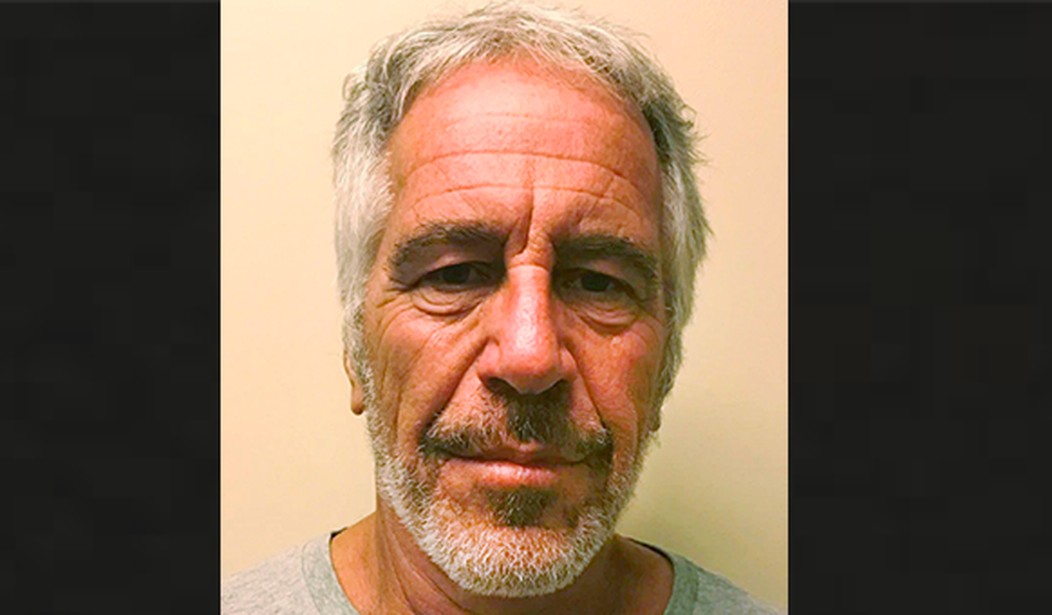
Which brings us to another Florida Man, Jeffrey Epstein, the admitted sex offender and high-society billionaire who apparently committed suicide in federal detention over the weekend, despite having earlier been on suicide watch. A former friend and party bro of Bill Clinton and Donald Trump alike -- and more recently the highest-profile federal prisoner in America -- Epstein blurred the lines between a character in "Eyes Wide Shut" (Stanley Kubrick's awful movie about a one-percenter sex cult that runs the world) and a James Bond villain who wanted to "seed" humanity with his DNA.
Epstein used his money and connections to get a sweetheart deal in Florida to evade serious punishment for soliciting prostitution from underage girls. A decade later, after the nature of the deal was exposed, a federal prosecutor in New York decided to prosecute him there.
By definition, this is a hard case to generalize from. Most rich people don't live this way, never mind die this way.
In response to the news of Epstein's death, conspiracy theories exploded across social media on Saturday. The hashtags "TrumpBodyCount" and "ClintonBodyCount" trended nationally, the former in no small part because President Trump himself retweeted the Clinton body count hashtag.
And while it was deeply irresponsible of the president to do that (and for Republicans to defend it), it's hard to blame everyone else because, damn, this is a weird story. Even Attorney General William Barr was flabbergasted by the news. "Mr. Epstein's death raises serious questions that must be answered," Barr said in a statement announcing an investigation.
Barr made the right call, but this story could not come at a worse time.
America has always had a bipartisan taste for conspiracy theories, because humans are wired to selectively connect dots that fit a preconceived narrative. Every society has its own pet notions of secret cabals and mysterious plots. If anything, the United States is less prone to such things because conspiracy theories thrive in undemocratic cultures where rulers are unaccountable and probably are scheming behind the scenes. The rule of law, elections and a robust free press are great antidotes to such thinking.
That's why in the U.S., conspiracy theories have historically thrived among groups that feel locked out, whether it's Jim Crow-era African Americans or 19th century white farmers during the Know-Nothing era who believed the "Pope in Rome" was plotting against them.
What makes this moment so different -- and dangerous -- is that elites who presumably know better, or should know better, have become increasingly paranoid as well.
It's normal for the party out of power to dabble in conspiratorial thinking. Partisanship and perceived powerlessness fuel the desire to see your opponents in the worst light.
The "Clinton body count" stuff started on the right under Bill Clinton. Under George W. Bush, 9/11 "Trutherism" ran rampant. Under Barack Obama, "Birtherism" spread like a cancer.
But the trend has metastasized recently. No doubt there are many causes. Cratering faith in institutions, especially the media, is kindling for the fires of paranoia. Social media prioritize the sensational over the factual and give outsized voice to those who claim to know what's "really" going on. The growth of bureaucratic and unaccountable government and the rent-seeking of the financially powerful -- at home and internationally -- have turned "globalists" into the malefactors of 21st century know-nothingism.
Then there's Trump. He rose to political prominence on the back of a conspiracy theory and exploited several others to rally his troops. His detractors resort to other conspiracy theories (mass voter suppression, Russia, etc.) to explain his 2016 Electoral College victory, and he invokes one (millions of illegal voters) to explain his failure to win the popular vote.
That's what's so awful about the Epstein story, however the facts pan out. It lends validation -- perhaps not factual, but certainly psychological -- to the craziest voices and will make it harder, for years to come, to argue against the new paranoia.


Join the Conversation
VIP members get the ability to comment on articles.