





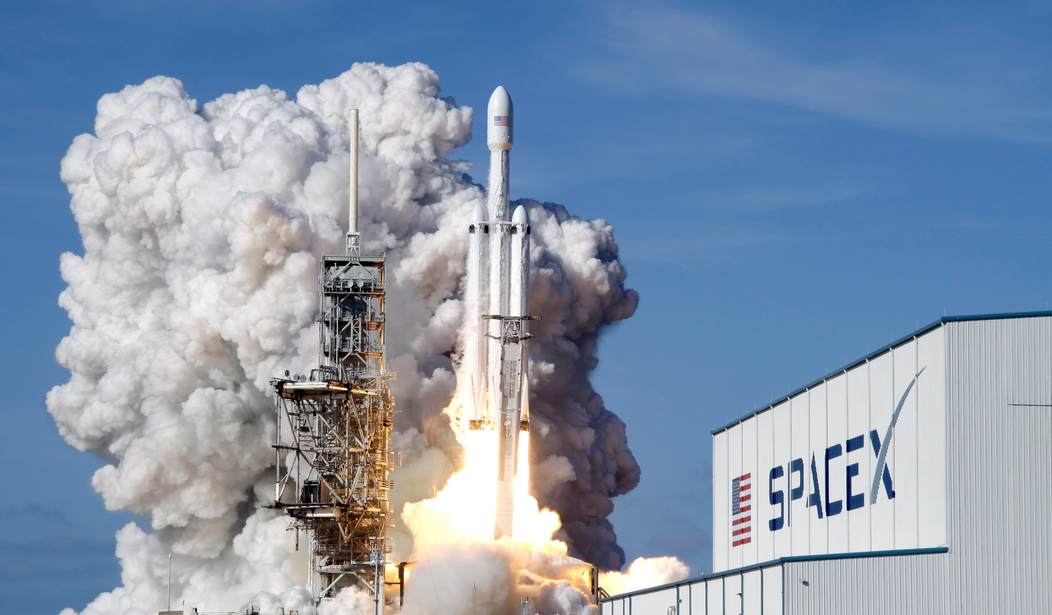
SpaceX filed its confidential S-1 with the SEC on April 1, 2026, targeting a $1.75 trillion valuation and a $75 billion raise in what analysts project will be the largest IPO in market history. A June Nasdaq listing could position Elon Musk to helm two separate trillion-dollar public companies simultaneously. None of this momentum was preordained, and the policy decisions that made it possible deserve highlighting because the decisions that nearly prevented it are equally clear.
I have backed early-stage technology companies for two decades and managed capital in private equity and hedge funds for thirty years. The pattern I have seen since January 20, 2025, is not a typical market cycle. It is the direct and predictable result of stripping away two years of deliberately imposed regulatory friction from a sector that generates disproportionate national wealth and strategic capability.
The Biden-Era Pattern
The Biden-Harris record on innovation was not incidental. Tesla, which led global electric vehicle sales for years, was excluded from White House EV summits reserved for unionized legacy manufacturers. The NHTSA opened repeated Autopilot inquiries that forced recalls on two million vehicles. In August 2023, the Justice Department sued SpaceX for allegedly discriminating against refugees in hiring, targeting export-control practices the company argued were legally required for classified national-security work. A federal judge blocked the case in November 2023. The Trump administration moved to dismiss and the case was dropped with prejudice on February 24, 2025, one of the first Biden-era enforcement actions reversed, and far from the last.
Executive Order 14110, signed in October 2023, imposed AI model-reporting mandates, bias audits, and sweeping export controls across the sector. Industry groups warned the rules would hand China a development runway while burdening domestic firms with compliance costs that foreign competitors did not share. The rules had no enforcement mechanism that could plausibly prevent a safety failure, only one that could plausibly slow American development. President Trump revoked the order on January 20, 2025, and replaced it with a directive removing barriers to American AI leadership. The Twitter Files — reviewed by independent journalists after Musk's acquisition of X — documented White House officials, CDC staff, and FBI agents pressing social media platforms to suppress political content. The Fifth Circuit later ruled that their conduct was likely coercive. The same governing reflex had been stifling AI policy for two years.
Delaware's Court of Chancery added a corporate governance dimension. Chancellor Kathaleen McCormick's 2024 decision to void Musk's 2018 Tesla compensation package, valued at approximately $56 billion, sent founders nationwide a clear message about liability in activist jurisdictions. The Delaware Supreme Court reversed that decision on December 19, 2025, reinstated the grant, and awarded plaintiffs one dollar in nominal damages, holding the rescission was inequitable after six years of delivered performance under a shareholder-approved compensation plan. Tesla reincorporated in Texas within weeks.
What the Reversal Produced
California's regulatory climate drove the company out. Musk's companies moved, and the empirical results followed. SpaceX's Starbase complex has generated more than $13 billion in gross economic output for the Rio Grande Valley over the past two years, supporting 24,000 direct and indirect jobs, and producing $305 million in indirect tax revenue, according to Cameron County's own impact reports. Tesla's Gigafactory in Austin added thousands of manufacturing positions. Low taxes, clear rules, and genuine regulatory predictability create a favorable business environment. Every state in the country could replicate this formula. Most lack the political will to execute it, which is the only honest explanation for why the results remain concentrated in a couple of jurisdictions rather than spread across the national landscape. The federal government cannot mandate this outcome by executive order. It can only stop making the outcome harder to achieve.
xAI acquired X in March 2025 and then SpaceX acquired xAI on February 2, 2026, creating the world's most valuable private entity at a combined $1.25 trillion — rocketry, satellite connectivity, and frontier AI under one corporate roof, with orbital data centers as the stated next phase. The IPO, at its $1.75 trillion target, will put this entire ecosystem into public markets. The market is pricing it with great anticipation.
Critics argue that rapid AI development demands stronger federal guardrails to address safety and bias. The prior guardrails delivered paperwork and selective enforcement, without verifiable safety outcomes. Startups reported chilling effects on hiring and publication out of fear of future targeting. Since revocation, private capital, competition, and reputational accountability have driven development, with no evidence of the reckless behavior that regulators worried about.
Thirty years in finance has confirmed one consistent truth: capital chases certainty of rules, not generous subsidy programs or favorable press releases that Washington substitutes for it. California offered regulatory hurdles and political score-settling. Texas offered the opposite. Musk's companies made the rational choice, and the scoreboard reads the same on jobs, output, tax revenue, and now the largest pending IPO in market history. The 2024 election introduced an environment that keeps the scoreboard improving. Regulatory creep persists, resurfacing via guidance and informal pressure whenever political conditions allow. One election separated those two futures. The results should encourage people to consider what actions are necessary to actively maintain technological innovation through policy. Vote accordingly.
Jay Rogers is a financial professional with more than 30 years of experience in private equity, private credit, hedge funds, and wealth management. He has a BS from Northeastern University and has completed postgraduate studies at UCLA, UPENN, and Harvard. He writes about issues in finance, constitutional law, national security, human nature, and public policy.
Editor’s Note: Do you enjoy Townhall’s conservative reporting that takes on the radical Left and woke media? Support our work so that we can continue to bring you the truth.
Join Townhall VIP and use promo code FIGHT to receive 60% off your membership.


Join the Conversation
VIP members get the ability to comment on articles.