





Contrast this with an environment where people say what they mean and mean what they say; where common goals are understood and agreed upon; where truth and trust prevail; and you can rely on others to back you up, complete their portion of the job or just hold up their side of the bargain. In this scenario, great progress can be made together.
Trust matters. Truth matters.
The American National Election Studies survey first asked the public about their trust in government in 1958. At that time, public trust in our government was 73 percent. By the time I was born, in November 1966, that number had slid to 65 percent. Nearly half a century later, we would be lucky to live in a country where nearly two-thirds of the populace trusted the government "always or most of the time."
By November 1974, at the time of President Richard Nixon's resignation over the Watergate scandal, this trust number had fallen to 36 percent.
In 1980, when economic times were tough, trust in government fell even further, to 25 percent. By the end of President Ronald Reagan's first term, trust had rebounded to 47 percent. Yes, Americans are driven by the economy; America works best when Americans are working.
A decade later, tougher economic times again made a difference, as did a broken campaign promise. When Republican President George H. W. Bush raised taxes after having pledged during his campaign not to do so, trust numbers fell sharply, to 25 percent.
Since then, the trust number peaked briefly at 60 percent after the attack on our country on September 11. Patriotism under fire made a difference. By September 2005, after Hurricane Katrina, those who trusted the government fell to 25 percent. The most recent number of people who trust our government is 24 percent, with the highest under President Barack Obama at 29 percent.
So what does this deficit of trust mean, and does it matter? According to the Merriam-Webster online dictionary, trust is the "belief that someone or something is reliable, good, honest, effective, etc." This deficit of trust in our government leads citizens to wonder and worry about what elected officials are doing, often for good cause.
It also explains, to some degree, why outsiders, in particular Donald Trump, are at the top of the polls in the Republican nomination for president, and why many Democrats are pining for Vice President Joe Biden to join in the race.
Pollster Frank Luntz got it right in August when discussing GOP presidential candidate Donald Trump's high poll numbers. Voters "want someone that says what they mean, means what they say," he told Fox's Sean Hannity. "It's because of his persona, not his policies."
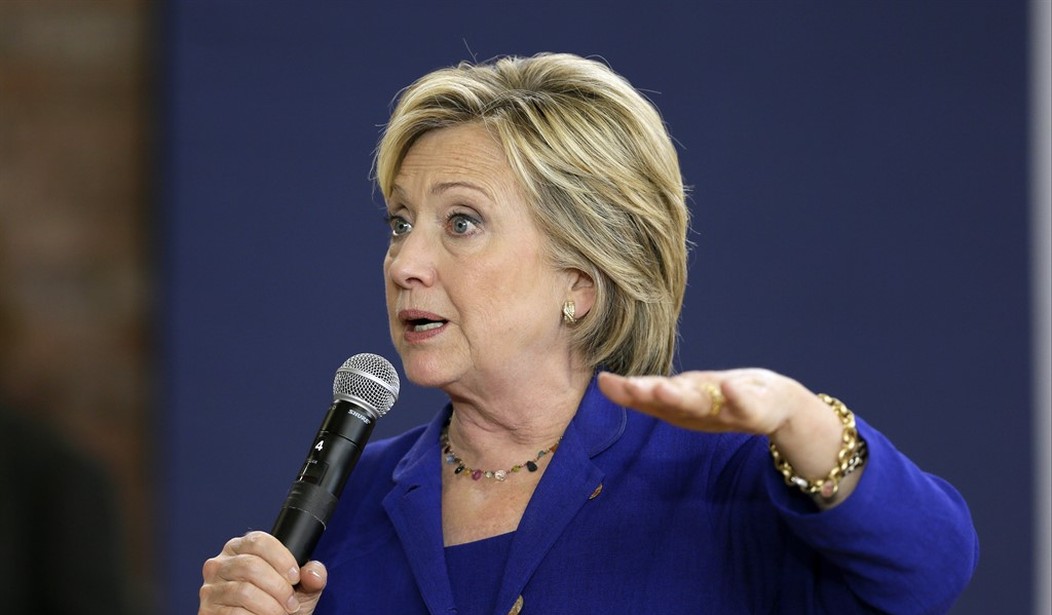
Democratic presidential candidate Hillary Clinton, the original heir apparent to her party's nomination, has been plagued by continuing and continual questions regarding her use of a private email server during her tenure as secretary of state. Her use of a private account to carry out public business was not simply a matter of poor decision-making; it calls into question whether she can be trusted. Such questions were blamed throughout the summer for causing her poll numbers to plummet.
Is authenticity in words and phrases enough? No, but it's a start.
Elected officials and government employees should go one step further, and follow the lead demanded of members of corporate boards of directors.
The Cornell University Law School website defines fiduciary duty as "a legal duty to act solely in another party's interests. Parties owing this duty are called fiduciaries. The individuals to whom they owe a duty are called principals."
In the case of elected officials or government employees, the principal would be the people they represent.
The question is: Are they not only reliable, good, honest and effective, but are they performing their fiduciary responsibility? Are they putting the interests of the people they represent ahead of their own interests?
That is the next question that the candidates on both sides of the aisle should have to answer. We should all continually call for higher responsibility and honesty from the people who represent us. Until then, we will continue to watch dysfunction reign.


Join the Conversation
VIP members get the ability to comment on articles.