





Bringing a medication to market is no easy task and can cost upward of $2 billion and take more than a decade. If lawmakers get their way, though, it could soon become next-to-impossible to supply Americans with life-saving cures. The Democrats’ healthcare reconciliation bill contains a provision empowering the secretary of Health and Human Services (HHS) to target medications for Medicare “negotiations.” Only a few drugs would be subject to the rules at first, but the negotiation list would grow by the end of the decade.
Despite the best efforts of lawmakers to spin these drug pricing provisions, Medicare “negotiation” is little more than price controls aimed at the most innovative drugs on the market. And as has been experienced elsewhere in the healthcare market, federal price tinkering is a recipe for disaster. Congress needs to reverse course on this disastrous proposal and focus on reforming the drug approval process to lower costs.
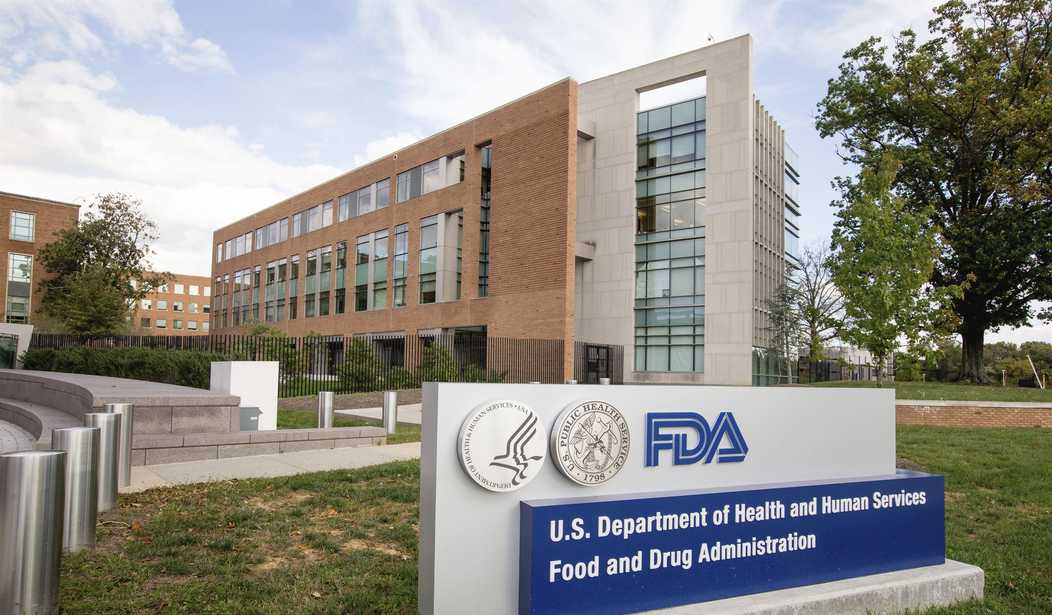
Like many goods and services across the healthcare sector, drug prices have climbed and remained stubbornly high. Roughly half of Americans cite cost barriers as a real problem hampering access to care. To understand the impact of price controls, though, it helps to understand why prices are at their current level. Putting a new medication through the Food and Drug Administration’s (FDA) approval process is a multi-year process that requires large, costly studies. Regulators at the FDA have rejected medications with promising initial results if the statistical significance doesn’t quite match the agency’s exacting standards – even if the drug is more likely than not to save lives. A 2018 analysis by MIT researchers confirms that the FDA’s statistical standards for approval are far too strict for medications designed to treat life-threatening diseases such as pancreatic cancer.
George Mason University scholar Alex Tabarrok notes, “the FDA has an incentive to delay the introduction of new drugs because approving a bad drug (Type I error) has more severe consequences for the FDA than does failing to approve a good drug (Type II error). In the former case, at least some victims are identifiable, and The New York Times writes stories about them and how they died because the FDA failed. In the latter case, when the FDA fails to approve a good drug, people die but the bodies are buried in an invisible graveyard.”
The cost of agency risk aversion is high. Only medications with sky-high testing budgets can get through regulatory hurdles, and these budgets are passed onto consumers via high prices. Medicare “negotiation” may lead to lower prices on paper, but not without dire long-term consequences. If drug manufacturers perceive that they cannot recoup the multi-billion-dollar costs of medication research and development, the innovation pipeline will dry up. And that’s no small issue, given that the U.S. population is rapidly aging, and the number of cancer cases is slated to increase 50 percent over the next few decades. This historic challenge will require game-changing medications and responsive reimbursement policies.
Policymakers argue that HHS regulators will be able to keenly identify the right drugs for negotiation and avoid setting prices too low. But, Medicare price-setting already takes place for a variety of healthcare goods and services, and the results are not promising. Currently, the Centers for Medicare and Medicaid Services (CMS; part of HHS) is in the middle of proposing changes to its “Physician Fee Schedule,” which dictates how healthcare services are reimbursed by the federal government. At the start of the pandemic, CMS reasonably loosened rules on telehealth reimbursement policies, allowing physician “direct supervision” to take place virtually instead of in-person. This not only made sense for the COVID-19 crisis, but also saved physicians and patients time and money.
Despite this “no-brainer” approach, Medicare has proposed restoring the in-person requirement for healthcare services requiring direct physician supervision. It’s clear from the agency’s rationale (grounded in the Social Security Act) that (selective) legal analysis is getting in the way of sound healthcare policymaking. If the proposed restriction is finalized, millions of patients will have to put off lifesaving medical evaluations just so the procedures can be performed in an office (potentially) hours away. Clearly, the HHS and her sub agencies don’t have the best track record in determining sensible, cost-saving reimbursement policies.
Extending the unwieldly PFS approach to Medicare drug pricing would prove catastrophic for the millions of Americans waiting for lifesaving cures. Instead, Congress should work closely with the FDA to refine the agency’s statistical standards and work toward a streamlined drug approval process that doesn’t break the bank.
The American people deserve a drug approval and reimbursement process that balances cost, safety, and innovation.
David Williams is president of the Taxpayers Protection Alliance.



Join the Conversation
VIP members get the ability to comment on articles.