







Yesterday was a good session that wanted to be great. There were lots of moving parts, including President Biden, taking a victory lap on a bipartisan infrastructure deal that still sounds like it will come with strings attached.
- $579 billion traditional infrastructure
- $312 billion
- $266 billion “other”
There were some big individual winners, but I was surprised at the paltry gains in the Materials sector. On the other hand, Industrials enjoyed a strong session, led by Caterpillar (CAT), which traded twice its average daily volume. But the stock gave up some ground right before the closing bell.
The stock to watch in the sector is Boeing (BA), which had hinted at breaking out in the past week. That was an impressive session.
Although Energy was higher, it was acting a little toppy near-term. Meanwhile, whether investors stayed with value or opted for growth, it’s clear fewer are concerned about the rally derailing, hence the selling in Utilities.
S&P 500 Index | +0.62% | |
Communication Services XLC | +0.94% | |
Consumer Discretionary XLY | +0.35% | |
Consumer Staples XLP | +0.48% | |
Energy XLE | +0.81% | |
Financials XLF | +1.40% | |
Health Care XLV | +0.56% | |
Industrials XLI | +0.82% | |
Materials XLB | +0.29% | |
Real Estate XLRE | -0.45% | |
Technology XLK | +0.63% | |
Utilities XLU | -0.06% |
Stress Test
The Fed Stress Test Scenarios was released after the close, and what a surprise, all 23 banks passed. Under the following scenarios: Unemployment Rate, 10.5%, Gross Domestic Product (GDP) -4.0%, and the Market -55%, banks would lose $470 billion.
Recently, both the KBE (big banks) and KRE (regional) have been trading in sync.

The S&P Financial sector (XLF) has been a fan favorite but is down a lot in the past month; perhaps this news provides a spark.

Imagine if Amazon (AMZN) and Apple (AAPL) were higher yesterday.
Shots Fired
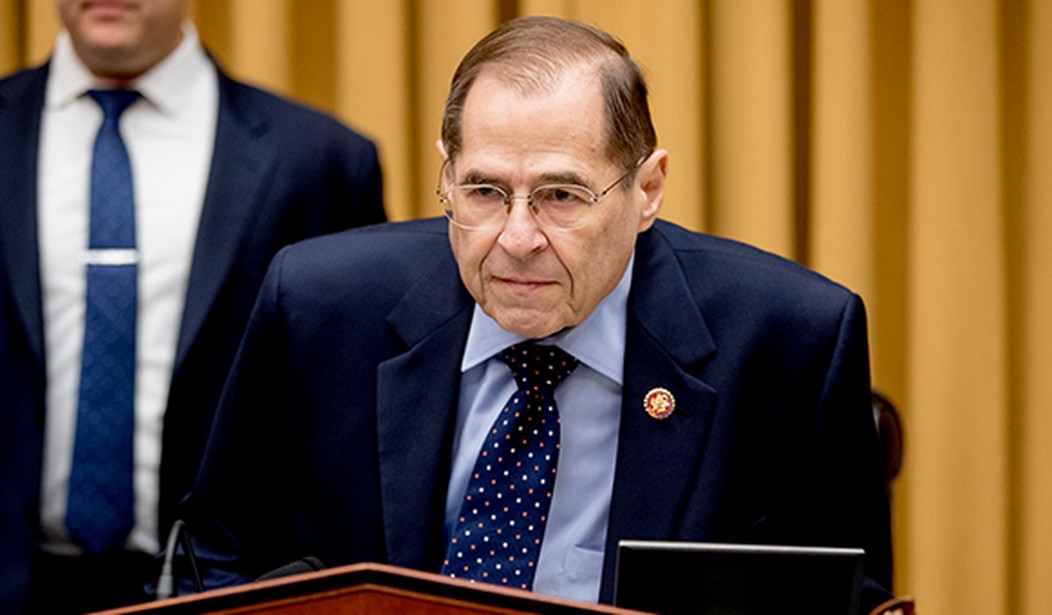
Missing from the rally yesterday were some of the biggest names in the market that were lower in part to movement on no less than the six antitrust bills. With all the haranguing and handwringing ahead of the committee vote on these bills, it made me believe they would amount to nothing. But all six are moving on to the broad House.
The House Judiciary Committee passed all six, as Republicans and Democrats want to take big tech and Communication Services companies down but for different reasons.
The bills include (from Deadline):
The Platform Competition and Opportunity Act: Prohibits acquisitions of competitive threats by dominant platforms, as well acquisitions that expand or entrench the market power of online platforms.
The Ending Platform Monopolies Act (AKA the breakup bill): Companies are prohibited from using their own tech platforms to sell product lines that they own and control. Companies like Amazon and Google would be prohibited from demanding that businesses purchase a product or service as a condition for access to the platform.
The American Innovation and Choice Online Act: Prohibits discriminatory conduct by dominant platforms, including a ban on self-preferencing “and picking winners and losers online.”
The Merger Filing Fee Modernization Act: Updates filing fees for mergers for the first time in two decades to give the Department of Justice and Federal Trade Commission more money for antitrust enforcement. It raises the fees for mergers valued at over $1 billion and lowers them for deals of under $500,000.
The Augmenting Compatibility and Competition by Enabling Service Switching (ACCESS) Act: The bill would require that large platforms make their user data portable, as well as their services interoperable with rivals. The legislation requires platforms to maintain “transparent, third-party-accessible” interfaces to enable the secure transfer of data to a user, or with user’s consent, to a business user at the direction of a user.
State Antitrust Enforcement Venue Act: Ensures that litigation filed by state attorneys general under federal antitrust laws remain in the court that they select, rather than having their cases moved to a court that is preferred by a defendant.
After the Close
FedEx (FDX) beat by a penny, and you know that isn’t good enough – the stock went straight down.
Nike (NKE) crushed it big time with strong growth in China, where many thought boycotts would curb sales and strong digital sales.
Today’s Session
Personal income and spending numbers are moving in direct correlation with federal pandemic assistance programs, which have begun to wind down.
- March saw income on annualize basis at $24.4 trillion and savings at $6.1 trillion.
- May saw income down to $20.8 trillion and savings $2.3 trillion or 12.4%.
To see the chart, click here.
Inflation
Jerome Powell made it clear this week he prefers core PCE over core CPI when measuring inflation. The street was looking for a 0.6% gain from the prior month. The 0.5% print was less than consensus and two tenths below May – and it moved the market higher.
To see the chart, click here.
Personal income in the US decreased 2.0%,which was actually a little better than consensus of -2.5%.
Personal spending in the United States was unchanged against consensus of +0.4%.
Portfolio Approach
We closed a position in Industrials yesterday in our Hotline Model Portfolio and this morning we are adding to Consumer Discretionary.



Join the Conversation
VIP members get the ability to comment on articles.