






Seeing that the future is written in the census, savvy South Korea's defense ministry recently proposed some thoughtful, long-term changes to structuring and manning its military. By 2022, troop strength could shrink from 640,000 to 522,000, a personnel reduction of 20 percent. The smaller force will be modernized and reorganized.
Seoul's defense planners bet that higher pay will boost military personnel retention rates. More retained means fewer to replace, but eventually retained troops will make higher rank. As a result, the 2022 military will have more sergeant slots, perhaps as many as 40,000 more than in the 2012 force.
Some units will expand. The proposal would increase its marine corps by 5,000 marines. South Korean marines are an elite force. Seoul's planners have studied the array of threats their nation faces, which include attacks by international terrorists and infiltration by North Korean assassins. Responsibly preparing to deter, meet and defeat these threats requires more commandos.
Elite forces are more expensive than conscript forces. Sergeants are paid more than privates, and deservedly so, given their skills and responsibilities. So for South Korea, a smaller military does not necessarily translate into a less expensive military. The South Korean people, however, must weigh the cost of adequate defense against the cost of perceived weakness and the cost of fatal weakness.
Recommended
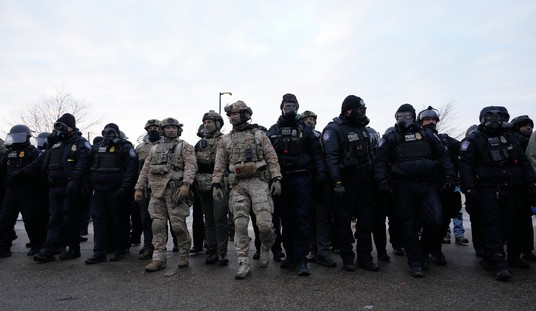
South Koreans understand the cost of perceived weakness. North Korea's dictatorship constantly probes for signs of flagging southern will. They also understand the cost of fatal weakness -- meaning the cost of losing a war. In comparison, retaining a highly capable, well-trained, well-equipped and still substantially large high-tech military force is a cheap insurance policy.
It is also smart economic policy. South Korea's strong defense commitment is a predicate to its economic success. Building the South Korean century economic miracle (and given South Korea's situation in 1950, it is indeed a miracle) required stability and, if not quite peace, the ability to convince North Korea that it just might lose if it launched another war. South Korea's alliance with the United States, and its own modern defense organization, are the diplomatic and military cornerstones of its remarkable and sustained stability in the face of a dire existential threat.
This leads to the defense budget of South Korea's cornerstone ally, the U.S. The U.S. military does not face demographic decline, but it does face its own internal strategic threat: budget decline. U.S. defense requirements differ in size and scope from those of South Korea. America is a global power. However, the same fundamental force that drives South Korean defense planning ought to drive U.S. defense budgeting: the array of threats.
South Korea is addressing its internal strategic defense threat carefully and responsibly. The U.S.? Not so much. Unless the Obama administration, the Senate and the House craft a new budget and tax agreement, defense budget cuts forced by mandated sequestration will begin Jan. 2, 2013. Sequestration will not produce an instant nightmare, but short-term, slash-and-burn cuts are foolish and destructive. Moreover, they signal a failure in leadership.
Defense budget cuts are inevitable, but they must be carefully considered. Cuts programmed over a decade (or more) give U.S. planners time to build less expensive forces that can still deter and defeat military threats.
To find out more about Austin Bay, and read features by other Creators Syndicate writers and cartoonists, visit the Creators Syndicate Web page at www.creators.com.
COPYRIGHT 2012 CREATORS.COM









Join the conversation as a VIP Member