



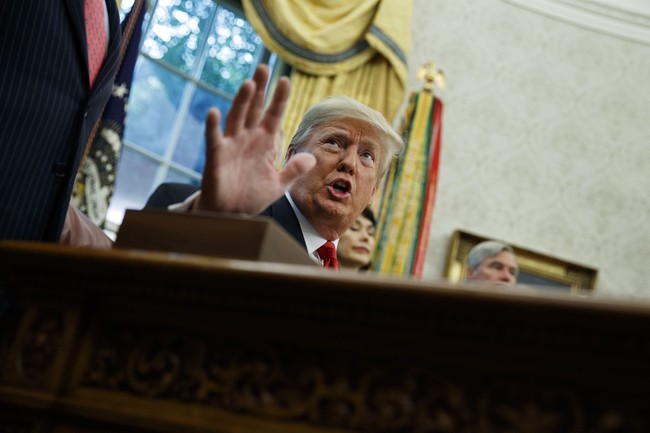
Later this month, President Obama’s health care summit will aim to highlight input from both Democrats and Republicans. This last ditch effort for bipartisanship appears encouraging on the surface, but many predict it will mean little more than theatrics and sound bites, rather than actual inclusion for the minority in the legislative process.
If the President were serious about moving forward on health care with bipartisan support, he would conduct this meeting in a more serious manner. Rather than create a public illusion of “reaching out”, the President would engage in serious discussions with not only Republicans, but with state and local legislators who also will play a role in enacting reform. Most importantly, the President would ask legislators to start afresh by abandoning current legislation and creating an improved bill from scratch. By bringing both parties to the table to draft the legislation in the first place, lawmakers are more likely to find common ground on how best to proceed. And, as Heritage’s Stuart Butler pointed out in a recent article in the National Journal, there is plenty of common ground to be found. Butler highlights the following areas as those which would address serious problems in our health care system with bipartisan support:
- A firm Republican commitment to achieving affordable coverage for all Americans in annual stages, starting now, in return for a WH agreement to scale the current bills way back.
- A package of insurance reforms, such as extending HIPAA, designed to deal with pre-existing conditions.
Recommended
- An agreement to provide states funding to address high-risk and chronically ill Americans through high-risk pools. In addition, giving states legislative waivers for left or right ideas to expand coverage — eg through the bipartisan Baldwin-Price House bill.
- An overhaul of the tax treatment of private health coverage to make it efficient and to provide cost-reducing incentives — limiting the tax exclusion by income to finance better tax relief for those who need it to afford coverage.
An effective and bipartisan health care bill is obtainable, but to achieve this, Congress and the President must seek it in a more sincere and productive manner. The President’s summit on health care is the wrong approach.





Join the conversation as a VIP Member