


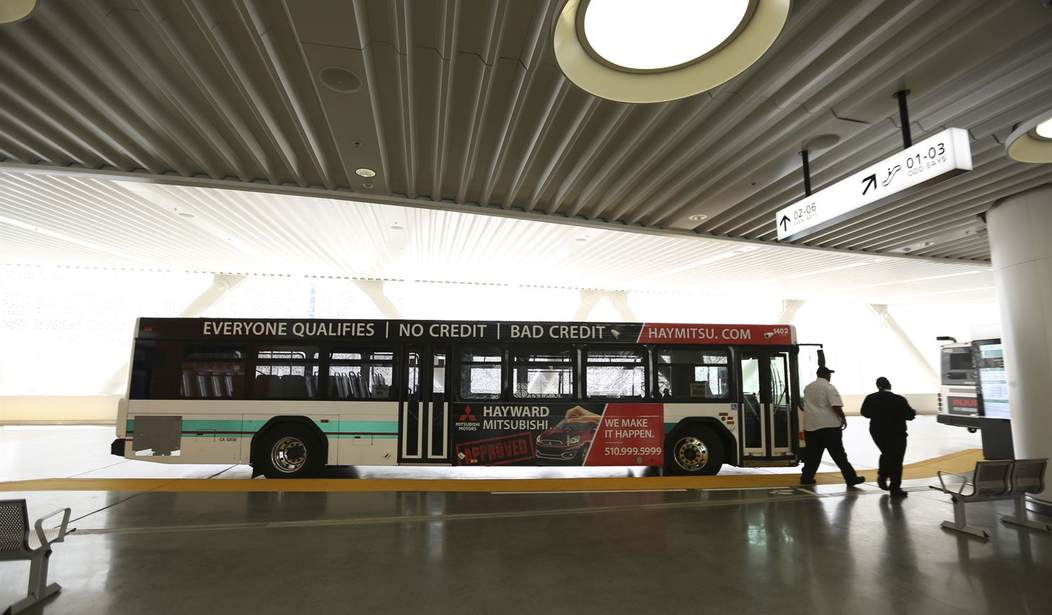
Bus and train operators told The Seattle Times this week that so many people are smoking drugs on public transit that it has created a “hazardous work environment” and discourages residents from using public transit.
Reportedly, workers for King County Metro Transit, which encompasses Seattle, filed 398 security incident reports in 2021. This is compared to 73 in 2020 and 44 in 2019. Amalgamated Transit Union Local 587, which represents 4,305 active members, said that stronger enforcement is needed, including more police surveillance and security guards with greater authority to remove people from the buses and trains.
“Besides toxic smoke, union officials said crews who maintain transit stops have been punched, spat upon and threatened,” the Times reported. “Narcotics smoking aboard transit took hold last summer, and now surpasses needles and marijuana in driver complaints. Since then, at least six operators asked to stop driving mid-shift, and 14 specifically mentioned feeling headaches, dizziness or irritated breathing.”
Sources told the Times that drug users on transit will “flick a lighter beneath a piece of aluminum foil, which heats the fentanyl, meth, heroin or mixture on top, where the smoke is sucked through a straw. Air circulation systems carry the haze forward, and some transit vehicles don’t have windows that open.”
King County Transit operator Erik Christensen told the Times that “it [drugs] smells like burnt peanut butter mixed with brake fluid.” He has reported six incidents since October.
Metro General Manager Terry White told the Times that what’s happening in Seattle is “a microcosm of what’s happening regionally and nationally.” White added that he anticipates developing outreach for homeless passengers, which he said is a separate issue from the “smoking-narcotics” trend on transit.
Recommended
Reportedly, King County also suspended fare enforcement in 2020. “Sound Transit light rail, also operated by Metro, converted from military-clad inspectors to educational ‘fare ambassadors’ who contact only 2% of riders,” the report stated.
The Times pointed out that Seattle transit ridership rose nearly 50 percent in the 2010s, the highest U.S. rate, to carry 750,000 daily passengers before the pandemic and 46 percent of central-city commuters. The Times wrote that residents pay the nation’s highest transit taxes.
“Seattle police officers don’t patrol county transit vehicles but will react to serious assaults” Detective Patrick Michaud told the Times. He added that “drug use anywhere” is a “‘lower priority than violent crime, and we [the police] spend a lot of our time right now responding to violent crime.’’







Join the conversation as a VIP Member