





Advertisement
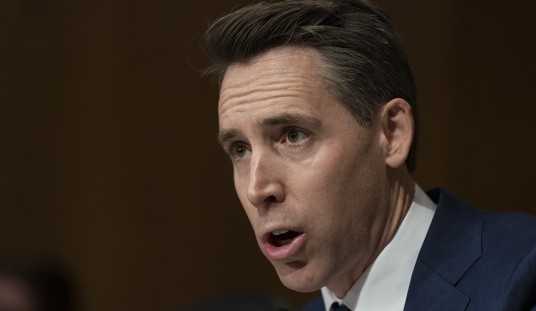
We've gotten used to what "Big Government" looks like – Washington's unchecked deficit spending, the Obama administration's policing of the press and the IRS's targeting of conservative groups. But the problem is bigger than we thought. "Big Brother" is watching. And he is monitoring the phone calls and digital communications of every American, as well as of any foreigners who make or receive calls to or from the United States.
The legislation had to be narrowly tailored – everyone agreed that we could not allow unrestrained surveillance. The Patriot Act had 17 provisions. To prevent abuse, I insisted on sunsetting all the provisions so that they would automatically expire if Congress did not renew them. This would allow Congress to conduct oversight of the administration's implementation of the act.
In 2006, Congress made 14 of the provisions permanent because they were noncontroversial. The three remaining provisions, including the so-called business records provision the administration relied on for the programs in question, will expire in 2015 if they are not reauthorized.
The final draft was bipartisan and passed the judiciary committee unanimously. The Patriot Act has saved lives by ensuring that information is shared among those responsible for defending our country and by giving the intelligence community the tools it needs to identify and track terrorists.
The released Fisa order requires daily productions of the details of every call that every American makes, as well as calls made by foreigners to or from the United States. Congress intended to allow the intelligence communities to access targeted information for specific investigations. How can every call that every American makes or receives be relevant to a specific investigation?
This is well beyond what the Patriot Act allows.
Recommended
Advertisement
The National Security Agency has broken privacy rules or overstepped its legal authority thousands of times each year since Congress granted the agency broad new powers in 2008, according to an internal audit and other top-secret documents.
Most of the infractions involve unauthorized surveillance of Americans or foreign intelligence targets in the United States, both of which are restricted by statute and executive order. They range from significant violations of law to typographical errors that resulted in unintended interception of U.S. e-mails and telephone calls.
The NSA audit obtained by The Post, dated May 2012, counted 2,776 incidents in the preceding 12 months of unauthorized collection, storage, access to or distribution of legally protected communications. Most were unintended. Many involved failures of due diligence or violations of standard operating procedure. The most serious incidents included a violation of a court order and unauthorized use of data about more than 3,000 Americans and green-card holders.
In a statement in response to questions for this article, the NSA said it attempts to identify problems “at the earliest possible moment, implement mitigation measures wherever possible, and drive the numbers down.” The government was made aware of The Post’s intention to publish the documents that accompany this article online.
There is no reliable way to calculate from the number of recorded compliance issues how many Americans have had their communications improperly collected, stored or distributed by the NSA.
Advertisement
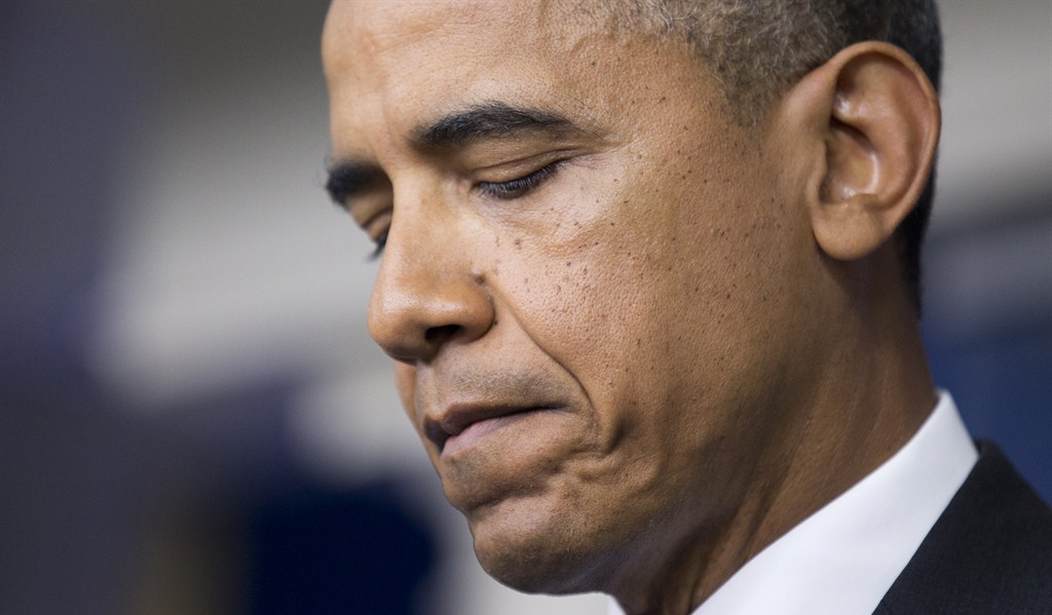
As a reminder, just a week ago President Obama promised America the NSA wasn't abusing its power during a press conference.
And if you look at the reports, even the disclosures that Mr. Snowden's put forward, all the stories that have been written, what you're not reading about is the government actually abusing these programs and, you know, listening in on people's phone calls or inappropriately reading people's emails.
What you're hearing about is the prospect that these could be abused. Now part of the reason they're not abused is because they're -- these checks are in place, and those abuses would be against the law and would be against the orders of the FISC.
Having said that, though, if you are outside of the intelligence community, if you are the ordinary person and you start seeing a bunch of headlines saying, U.S., Big Brother, looking down on you, collecting telephone records, et cetera, well, understandably people would be concerned. I would be too if I wasn't inside the government.










Join the conversation as a VIP Member