






Much is happening today in the world of organized labor, as both the National Labor Relations Board (NLRB) and the House prepare to vote on measure that could drastically affect the ease with which companies unionize.
First, the NLRB is slated to vote on a measure that would allow "snap elections," a tactic that shortens union election periods to ten days, thereby reducing the time an employer has to rebut proposed unionization. Essentially, this inhibits workers' ability to make informed decisions about joining a union:
Under the current system, unions campaign for months (with management usually ignorant of it) before calling for an election, which occurs five to six weeks later. During the election period, the company tells its side of the story, filling in the details the union organizers omitted—strike histories, dues increases, and union corruption. Workers cast an informed vote after hearing the strongest case from both sides.
Obama’s NLRB is in the process of shortening the election period from six weeks to as little as 10 days. These snap elections would allow unions to campaign for months and then call for a vote before workers hear the other side.
The rule isn't designed to help the economy or workers. It's just a power grab for organized labor, despite unionization's unpopularity within the private workforce -- only 9% of non-unionized workers want to join a union. Of course, the NLRB passed a regulation in August that allowed the formation of "micro unions." This undercut anti-union workers' ability to avoid the consequences of organized labor by allowing small groups of similar workers (i.e. grocery store baggers) to form their own union, independently of others (i.e. the shelf stockers and greeters). Snap elections would further marginalize anti-union employees' voices.
Recommended
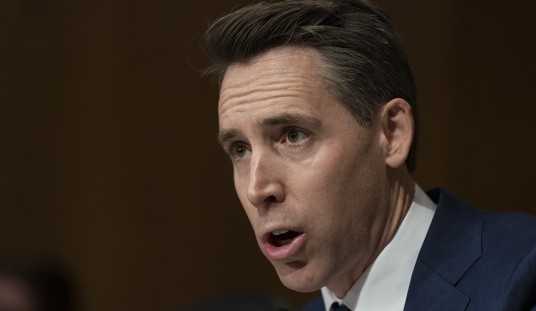
It's possible, however, that the NLRB won't have the votes to push the rule forward, owing to its single Republican, who may abstain:
Brian Hayes, the lone Republican member of the labor board, threatened to resign or withhold his participation after the NLRB began to push forward on the rule. The possibility of his declining to take part in Wednesday’s vote — perhaps by not attending — has raised questions about whether the NRLB has the power to move forward with the proposed regulation.
Meanwhile, the House will today vote on Rep. John Kline's (R-MN) Workforce Democracy and Fairness Act, a bill that would block the snap elections rule, and implement a host of unionization reforms:
- Guarantees that union elections are not held until workers have at least 35 days to hear from both sides;
- Ensures that employers have at least 14 days to find legal counsel before any legal proceedings begin;
- Restores the prior standards for determining a bargaining unit [i.e. eliminating micro unions], preventing unions from cherry-picking which workers can vote; and
- Protects privacy by letting workers decide which contact information to release to union organizers.
The bill would preclude workers from having unions foisted upon them, empowering employees, not organized labor, in the decision making process. Most importantly, it's good for the economy -- after all, unions aren't known for creating jobs -- and surely that should take precedence over political ties.
Whether the Democrats see things that way remains to be seen.





Join the conversation as a VIP Member