


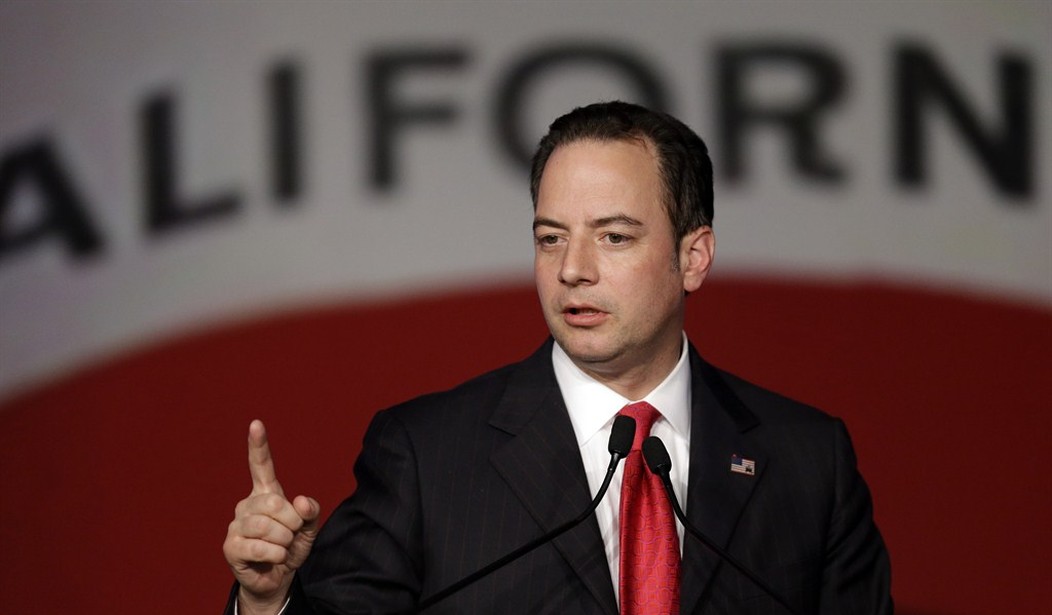
At the end of last week the RNC filed a lawsuit against the Federal Election Commission, saying that the limits on individual and group donations are unconstitutional. This would be another big victory for speech advocates if it were to succeed, following the landmark Citizens United decision.
As the Associated Press reported:
While emphasizing that they do not want to accept money from corporations or unions as super PACs do, RNC officials said they want to have the same abilities to establish independent accounts that can buy ads, send campaign mail and make phone calls.
"In an era when independent-expenditure accounts can solicit unlimited contributions and spend enormous amounts to influence political races, political parties are constitutionally entitled to compete equally with them with their own independent campaign activity," said James Bopp Jr., the lawsuit's lead attorney.
As the Supreme Court has long held that political contributions are a form of speech and thus protected by the 1st Amendment, speech advocates have held that many of the federal restrictions on campaign contributions should be considered unconstitutional.










Join the conversation as a VIP Member