Don’t Panic About Trump’s Iran Strategy Just Yet
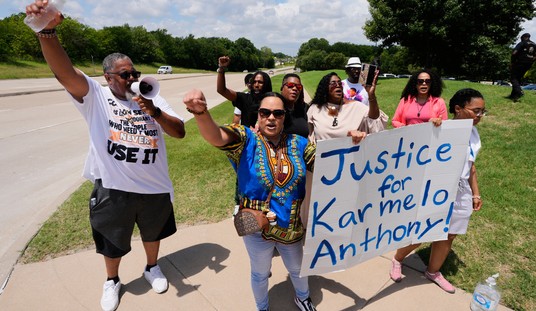
Oh, So That's What Happened to the Karmelo Anthony's Crowdfunding Page
Karmelo Anthony's Lawyer Said *What* About the Guilty Verdict?
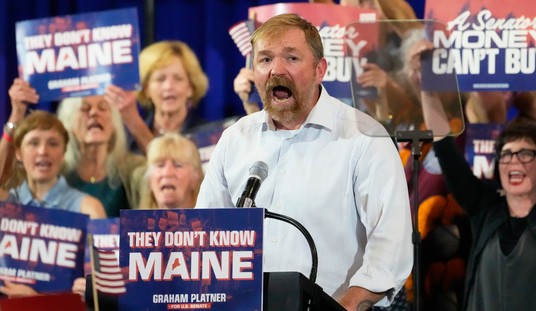
We Know When Republicans Plan to Attack Graham Platner. It's a Very Critical...
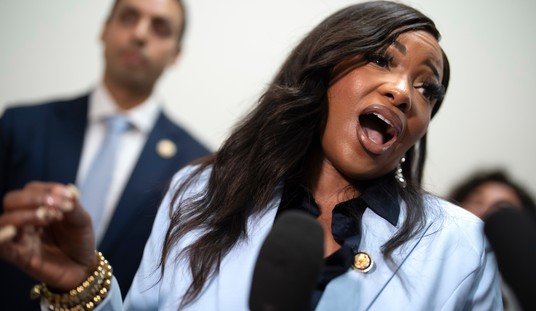
Jasmine Crockett Just Took Her Defense of Karmelo Anthony Even Farther
The Reactions to Karmelo Anthony's Guilty Verdict Are Predictably Out of Control
60 Minutes Correspondent Drops Some Eye Roll-Worthy Remarks About the 'Bloodbath' at the...
Knicks Mount the Largest Comeback in NBA Finals History to Stun the Spurs...
These Executives Might Face Prison Time for Bribing Officials to Increase Electricity Pric...
The 60 Minutes Controversy
The War No One Else Is Fighting
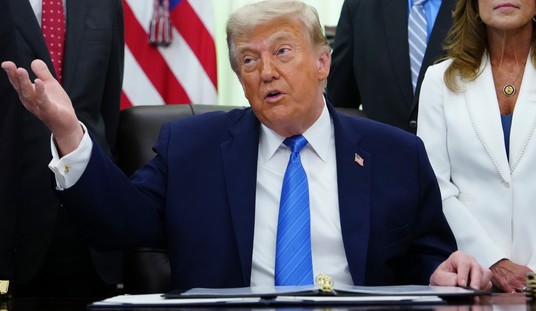
Trump Goes to the NBA Finals — Look Who Attacked Him
Children's YouTube Star Ms. Rachel Sings With Kids for Illegal Aliens Outside Newark...
Donald Trump Is Personally Making Antitrust Sane Again
When Abortion Has a Face
OPINION

F.B.I. Agents Get Leeway to Push Privacy Bounds

The opinions expressed by columnists are their own and do not necessarily represent the views of Townhall.com.
F.B.I. Agents Get Leeway to Push Privacy Bounds
WASHINGTON — The Federal Bureau of Investigation is giving significant new powers to its roughly 14,000 agents, allowing them more leeway to search databases, go through household trash or use surveillance teams to scrutinize the lives of people who have attracted their attention.
Advertisement

The F.B.I. soon plans to issue a new edition of its manual, called the Domestic Investigations and Operations Guide, according to an official who has worked on the draft document and several others who have been briefed on its contents. The new rules add to several measures taken over the past decade to give agents more latitude as they search for signs of criminal or terrorist activity.

The F.B.I. recently briefed several privacy advocates about the coming changes. Among them, Michael German, a former F.B.I. agent who is now a lawyer for the American Civil Liberties Union, argued that it was unwise to further ease restrictions on agents’ power to use potentially intrusive techniques, especially if they lacked a firm reason to suspect someone of wrongdoing.

“Claiming additional authorities to investigate people only further raises the potential for abuse,” Mr. German said, pointing to complaints about the bureau’s surveillance of domestic political advocacy groups and mosques and to an inspector general’s findings in 2007 that the F.B.I. had frequently misused “national security letters,” which allow agents to obtain information like phone records without a court order.
Join the conversation as a VIP Member

Recommended

Trending on Townhall Videos

Advertisement
Advertisement
Advertisement