





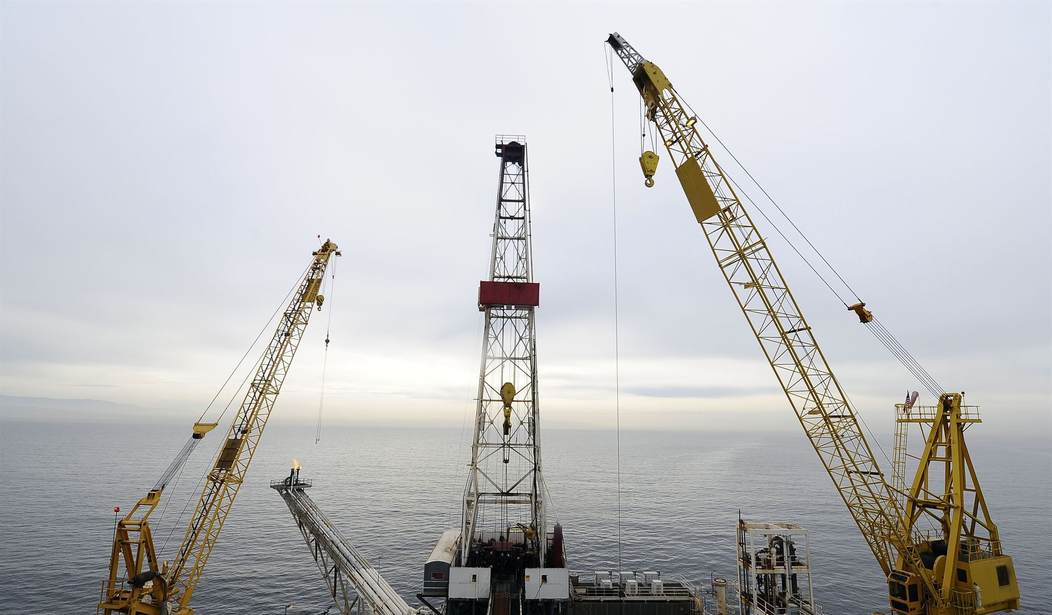
The benefits of expanding offshore energy exploration and production, especially in untapped regions such as the Eastern Gulf of Mexico, are crystal clear. More U.S. oil production means more jobs, cheaper energy, and less dependence on foreign oil. All of that is good for national security and claiming that the military’s training and operational needs are at risk is just wrong.
Today, a substantial portion of the Eastern Gulf of Mexico remains locked because of a moratorium on oil and gas leases. The good news is the moratorium, passed in 2006, is set to expire in 2022. Unfortunately, Florida Senators Marco Rubio and Rick Scott are pushing to block offshore energy exploration and production in Florida for another decade with a new amendment. While concerns for the tourist industry in Florida are driving this, using the excuse that removing the moratorium will hurt military operational needs is nonsense.
From a military standpoint, the present moratorium blocking offshore energy in the Eastern Gulf of Mexico makes little sense and an extension of such a measure makes even less. First, more domestic energy supply is good for our military, which remains the world’s single largest purchaser of fuel, particularly when it comes to light refined petroleum products such as jet fuel and diesel. More domestic supply lowers cost. Producing more oil at home, in contrast to buying it from our adversaries, would also be a strategic advantage, as it would be a source with which no enemy could interfere.
The Department of Defense (DOD) has a great deal of experience working with the Department of Interior (DOI) in a way that allows military activity and offshore oil and gas development to co-exist peacefully. In fact, standard military focused stipulations have been applied to Gulf of Mexico energy leases since 1977 and a Memorandum of Agreement between DOD and DOI regarding the Outer Continental Shelf has been in place since 1983. In other words, citing military concerns as a way of blocking energy exploration and production in the Gulf of Mexico directly contradicts decades of real-world experience. The bottom line is that oil exploration would not hinder military operations or training.
Recommended
The military itself has affirmed that oil and natural gas offshore activities can be performed safely and responsibly alongside U.S. military operations. For example, in the last DOD compatibility report that looked at military activities in the Eastern Gulf, it was revealed that only 11 percent of the area studied by DOD is incompatible with energy production. In the rest of the Eastern Gulf, the military has clear stipulations that dictate when energy producers must suspend oil and gas operations or require evacuation of personnel to accommodate military activities.
A May 2018 DOD report to Congress on military readiness in the Eastern Gulf reaffirms this fact, adding that ever-improving technologies now enable basic offshore energy development procedures such as safe seismic research to determine the location and volumes of oil and natural gas to take place without disrupting military needs. This is consistent with a DOI presentation to the House Natural Resources Committee in July 2017 that stated 36 percent of active leases in the Central Gulf of Mexico, where drilling and production are allowed, are in operating military areas.
The reality is that military operational requirements, especially in the Eastern Gulf, are no obstacle to energy production. The energy industry is most interested in potential oil and gas supplies in the Norphlet and red Buried Hill plays, areas that lie well east of the Military Mission Line and well beyond a hundred miles from shore. Additionally, most military activities are concentrated closer to shore, reducing potential conflicts.
The effort by Senators Rubio and Scott to extend the moratorium through 2032 is unwarranted from a military standpoint and is a disservice to the military personnel and veterans who call Florida home. If you want to fight it because you think it will hurt the beaches (I do not think it will), at least say that. American oil and natural gas are our best energy investment for national security for the foreseeable future, not only strengthening our economy, but also providing an economic strategic advantage. The military should not be used as a means to bolster a political position, when no military issue is at stake
In the end, it’s better for our economy that significant investments flow to U.S. oil and gas plays rather than to those in Mexico, which now has more acreage under lease than the U.S.-controlled Gulf of Mexico area. It’s also better that the massive reserves of oil and gas located right off America's shores are put to use fueling the needs of consumers and the U.S. military, rather than enriching our competitors.
Both military training / testing and offshore energy development are strategically important. By allowing the moratorium on oil and gas leases in the Eastern Gulf of Mexico to expire, we can pursue both to the significant benefit of our nation.








Join the conversation as a VIP Member