


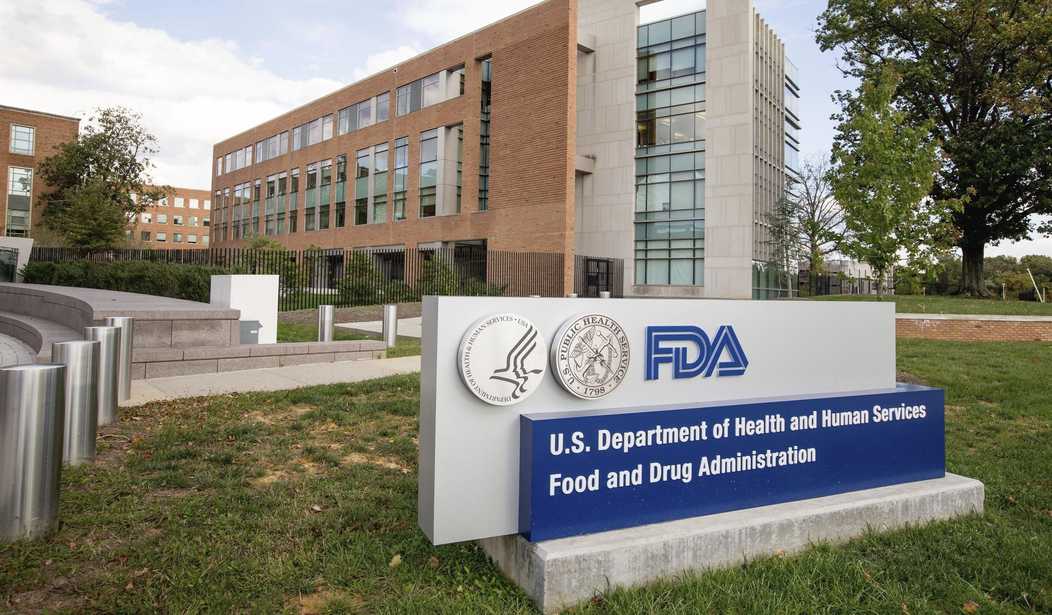
Compared to other parts of the government (such as the Pentagon or the Treasury), the Food and Drug Administration (FDA) rarely gets the attention it deserves. Sure, Americans may hear from time to time that their favorite food or daily drug is being recalled by the mammoth agency, but most consumers don’t realize that 20 cents out of every dollar they spend is on products controlled, scrutinized, and/or restricted by the agency. But this $5 billion agency has increasingly stymied life-saving medications and products that could change millions of lives for the better. The Taxpayer Protection Alliance’s new report, Reforming the FDA: Saving Money, Saving Lives, puts a microscope on the agency and identifies much-needed reforms that would make the FDA work for all Americans. The stakes are simply too high for continued foot dragging and inaction.
Following the passage of the Pure Food and Drugs Act in 1906, the U.S. federal government took responsibility for protecting consumers from tainted, contaminated, and phony products permeating food and drug markets. But in the nearly 115 years since the law’s enactment, the FDA has morphed into an unaccountable bureaucracy that prioritizes risk aversion over saving lives.
For example, the agency’s labyrinth drug approval process regularly results in promising drugs being rejected if the FDA’s exact statistical specifications are not met. Drug manufacturer Dendreon found this out the hard way in 2006 when they submitted mountains of statistical evidence to the FDA attesting to the effectiveness of their medication Provenge in fighting prostate cancer. Dendreon was able to show in their clinical trials that mortality rates declined once patients started taking Provenge. The study’s authors found more than a 90 percent likelihood that the finding was not due to chance. But, despite this powerful evidence, the FDA wasn’t moved.
The manufacturer had to go back to the drawing board and produce more expensive, time-consuming studies to satisfy the agency’s strict standards. Four years and more than 100,000 prostate cancer deaths later, the FDA finally approved the medication. This saga highlights an increasingly complex process that results in nine out of 10 “experimental” medications never reaching the market.
The FDA’s regulatory problems are hardly limited to the drug approvals process. The agency has long maintained a strict stance against reduced-risk products such as e-cigarettes. International health bodies and governmental organizations have found that vaping products are at least 95 percent safer than combustible products, but that hasn’t stopped the agency from sounding the alarm over these products’ purported dangers.
Recommended
The agency seems particularly concerned with flavored vaping products and blames them for a youth vaping “epidemic.” In reality, there are nearly three times as many adult vapers as teenage vapers, and the former prefers flavored products to quit cigarettes. Nonetheless, the FDA continues to wantonly pull flavored e-cigarettes from the shelves and will soon officially bar all non-tobacco flavors. Bureaucrats at the agency have considered e-cigarettes to be “tobacco products” for the past three years, despite e-cigarettes...not containing tobacco.
Even non-smoking Americans that aren’t on prescription medications have had to make do with an unwieldy FDA. Most food shoppers appreciate accurate labeling telling them which foods are “healthy” and aren’t “healthy,” yet the agency has made a mockery of this process by sending the makers of low-calorie, low-sugar food products nasty warning letters disputing seemingly indisputable health claims.
Fortunately, Reforming the FDA provides plenty of opportunities for the agency to embrace reform. Streamlining the drug approval process and relaxing strict statistical standards would greenlight innovative medications such as Provenge and save taxpayers from the costs of runaway bureaucracy. Allowing flavored e-cigarette products to stay on the market would provide America’s 34 million adult smokers a chance to kick their deadly habit. Reconsidering the agency’s definition of “healthy” would help countless food shoppers make sensible purchasing decisions for them and their families. Opportunities for change abound, and the FDA cannot afford to double-down on the failed status-quo of overregulation. Too many lives hang in the balance.
Ross Marchand is the director of policy for the Taxpayers Protection Alliance.









Join the conversation as a VIP Member