





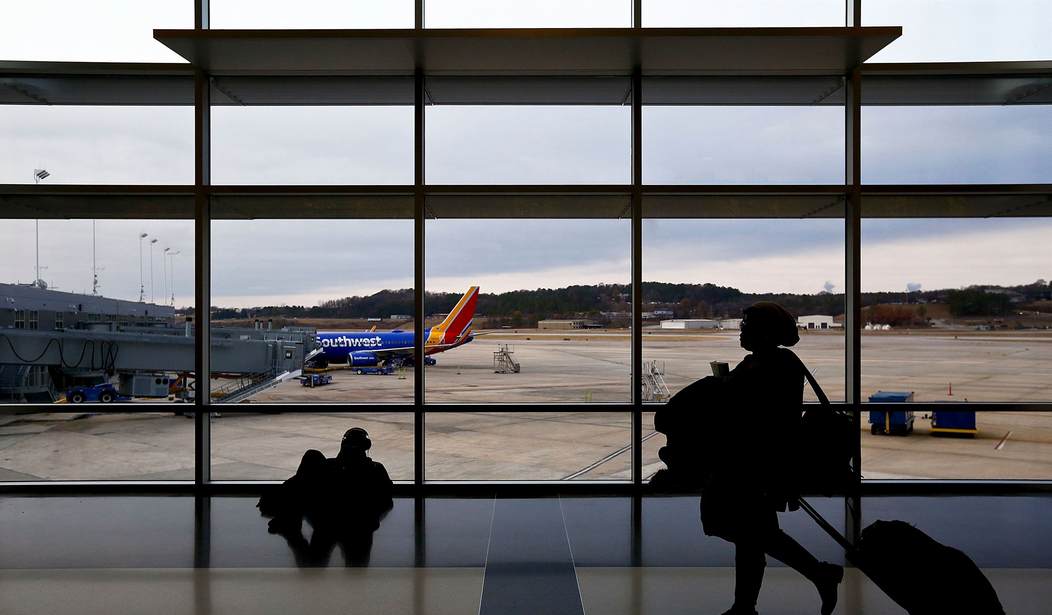
For white-knuckle flyers like me, this week's tragic accident aboard a Southwest Airlines flight from New York to Texas reinforces our worst fears but also reassures us that flying remains the safest means of travel within the United States. I fly 100,000 miles a year, despite my phobias, and have encountered everything but an actual crash or loss of life aboard the many flights I've taken -- last-minute aborted landings, engine failure, lightning strikes, fires in the galley, loss of the hydraulic system, geese sucked into the engine during takeoff. Some of these incidents required emergency landings with runways foamed for possible fire. My automatic response has been to grab for my rosary and say my prayers. The only times I wasn't absolutely terrified were when I was expected to help on landing because I was seated in an exit row or, once, when an elderly couple sitting next to me said they had never flown before and needed comforting. But every time that something scary happened, as soon as the pilot spoke, I felt reassured.
Passengers aboard Southwest Flight 1380 report the same thing. It was the pilot's voice that kept them from becoming hysterical. It was not the deep baritone (often with a Southern drawl) that I've experienced during emergencies but a woman's voice -- steady, calm and professional. The pilot, Tammie Jo Shults, had a distinguished, path-breaking career in the U.S. Navy before becoming one of the few female commercial pilots flying big jets. Just 4.4 percent of commercial jet pilots are women, according to the Federal Aviation Administration. Shults flew F/A-18 Hornets and trained others to fly combat missions (she was excluded as a woman from doing so herself) before leaving the Navy in 1993. Commercial airlines have benefited greatly from being able to hire military-trained pilots, though they rely less on veterans today than in the past. It's not just that military pilots already have the flight hours and training to handle complicated aircraft. More importantly, they have learned to keep their heads clear in the most challenging environments. Most commercial aircraft today practically fly themselves once in the air, which is why we don't gasp when we see the pilot or co-pilot leave the cockpit during flight. Yes, there's another person in control of the aircraft, but autopilot does much of the job once the plane is safely at cruising altitude. Except when disaster strikes.
Recommended
From what passengers on Southwest Flight 1380 said later, Captain Shults managed an almost unbelievable feat in bringing a badly damaged aircraft safely to the ground quickly while providing enough information in as composed a fashion as imaginable to keep passengers from totally freaking out. Sadly, one passenger died from injuries incurred in the incident. An engine explosion blew out a window, and the woman was nearly sucked entirely out of the plane. Flight attendants and passengers attempted to save the woman's life, but she was unable to be resuscitated.
The woman, Jennifer Riordan of Albuquerque, New Mexico, was the first passenger to die during a domestic U.S. commercial flight since 2009. The record is astounding. There have been approximately 300,000 deaths in auto accidents during that period and 40 deaths from train accidents, as well as thousands of other deaths on boats, on bicycles and even on foot. Unquestionably, the safest way to get from point A to point B of any major distance is to buy a commercial airline ticket.
Investigations into the catastrophic failure of one of the engines of the 737 involved will uncover whether more might be done to prevent such accidents -- and that's a good thing. Flying is safe because we invest so much in ensuring that accidents are rare. But given the odds, I will gladly board a plane to New York City next week, one to Denver a couple of weeks from now and another to Europe a few weeks after that. There was a time when any accident would make me rethink whether a particular trip justified getting on a plane. Now I am happy to buckle up, sit back and take a deep breath, perhaps even doze. But I'll keep my rosary nearby, just in case.




Join the conversation as a VIP Member