



Advertisement
Emotions were still raw from the assassination of President John F. Kennedy only nine months before. A floor battle over the seating of the delegation from Mississippi added to the drama and public interest. The "Mississippi Freedom Democratic Party," which was integrated, demanded to replace the all-white elected delegates on the grounds that blacks had been excluded from voting in the Mississippi primaries. A compromise was reached and that convention marked the last time Democrats would accept segregated delegations.
In 1964, the TV networks considered the process of nominating a presidential candidate so important to the country that all three carried the proceedings virtually "gavel to gavel." NBC's anchors were Chet Huntley and David Brinkley. In addition to providing solid reporting with equally solid floor reporters, these two giants of broadcast journalism reported on the silly and bizarre happenings inside and outside the vast coliseum where the "Miss America" contest was then held.
In 1964, even the platform committee hearings of both parties were covered, sometimes live.
I mention all of this to note how little of this year's conventions are being covered by the broadcast networks. Their arguments are familiar: The conventions have become scripted events that serve as infomercials for the two parties and they rarely make news; anyone interested in watching the conventions for longer periods than the one-hour of primetime the broadcast networks give them can watch cable; real political junkies can switch to C-SPAN where they can watch these political telethons until the final gavel falls.

Advertisement
There is even talk at receptions where media types talk amongst themselves about doing away with these three-day political extravaganzas -- or at least shortening them to a day and a night to attract more viewers. Saving money and time is also a consideration. It's a good idea and the old convention model will almost surely be put to rest after this year.
Whether the restructuring happens in 2016, or later, by deciding to broadcast so little of the conventions this year, the networks send the message to the public that the gatherings are unimportant. While Hurricane Isaac diverted much of the coverage from the Republican National Convention, the damage done, or benefits achieved, by the winner of the next election will last longer than the storm and affect more than the Gulf Coast.
Few enough people are engaged in the political process. Cynicism deepens when TV networks join the ranks of the cynics and send a message that since so many Americans don't care about politics, the broadcast networks don't either and so let's give the people what they want: more crime and slime. The political ads will play and replay at the commercial breaks, but the ads are fast food compared to live political TV.
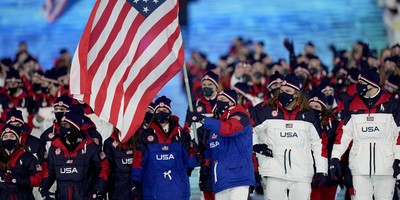
There have been many suggestions for how to improve the drama and interest of these quadrennial affairs. Since television and the political process are joined at the hip, broadcasters, especially, have a responsibility to help make them more compelling. If NBC, for example, can spend millions to cover the Olympics, blocking off hours of primetime for track and field and swimming events, is it too much to ask all the networks to devote time to something far more important to every American and the world?
Advertisement
Broadcasters use public airwaves and make a lot of money from them. Because of that and because networks are run by Americans, they have a duty to perform in the public interest. Carrying just one hour of each convention is a dereliction of that duty.



Join the conversation as a VIP Member