





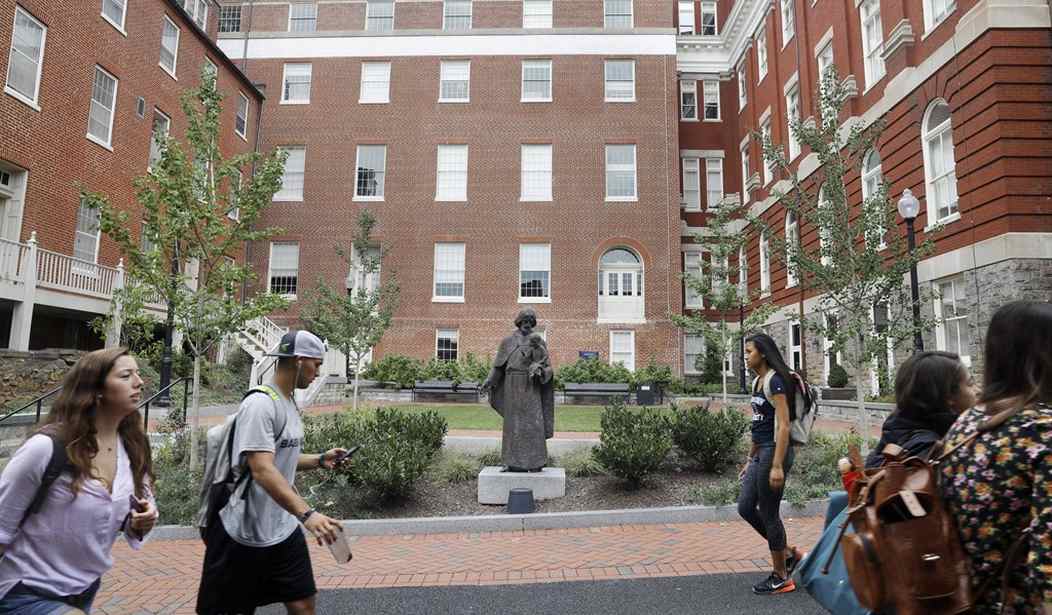
In recent years, there has been a surge in violent crime in our nation's capital, and unfortunately, our college students have not been spared. This issue has become symptomatic of a larger problem that plagues urban cities across the nation, where college students are being robbed and carjacked, all at gunpoint. As these young adults work to educate themselves and become productive citizens, they are faced with a harrowing reality: Crime can find them even in the hallowed halls of academia. Washington, D.C., the city that represents our nation's values and aspirations, has become a chilling example of the challenges these students face.
As parents send their children off to college, they envision a sanctuary of learning, growth and self-discovery. They do not expect their sons and daughters to be held at gunpoint while walking to class or to the library. Yet, that is the disheartening truth for far too many students in urban environments. Washington, D.C., home to several prestigious universities, has seen an alarming uptick in violent crime targeting college students.
In neighborhoods adjacent to some of our most esteemed institutions, such as Howard University, Georgetown University and American University, students are faced with a constant barrage of news stories about classmates being robbed, assaulted or even killed. This unrelenting assault on their sense of security and well-being has forced these young adults to adapt to a new reality -- one where they are always on high alert, not just in their quest for knowledge but also for their personal safety.
The reasons for this surge in violent crime are multifaceted, ranging from poverty to drug addiction to the breakdown of the family structure. As a nation, we must confront these issues head-on to help create a safer environment for our students, and ultimately, for all of our citizens.
We cannot continue to ignore the impact of poverty on crime rates. For generations, the lack of resources and opportunities in underserved urban communities has led to a sense of despair and hopelessness. This desperation can drive young people to make regrettable choices, including resorting to crime as a means of survival. By investing in education, job training and community development initiatives, we can provide a pathway out of poverty and give these individuals a reason to believe in a brighter future.
Recommended
Another contributing factor to the high crime rates in our urban centers is drug addiction. The scourge of drugs, particularly opioids, has ravaged communities across the country. This epidemic has torn families apart and created a breeding ground for crime. A comprehensive approach to addressing the opioid crisis, including accessible addiction treatment services and support for those in recovery, is essential in our fight against urban crime.
In many of these communities, the breakdown of the family structure has been a significant contributor to the rise in crime. With an increase in single-parent households and the absence of positive role models, young people are often left to navigate the challenges of life without proper guidance. This void in their lives can make them susceptible to the influences of gang culture and criminal activity. By promoting strong families and providing mentorship programs, we can help our youth resist these dangerous temptations.
While we work to address these complex issues, we must also recognize the importance of supporting our law enforcement agencies. The men and women in blue risk their lives every day to keep our communities safe, and they need the proper resources and support to do their jobs effectively. The current trend of demonizing the police and advocating for defunding their budgets is counterproductive and detrimental to the safety of our college students and urban communities.
We need leaders who not only understand the gravity of the situation but are also willing to take bold and decisive actions to protect our most vulnerable citizens. This is not a time for complacency or empty promises. We need representatives who prioritize public safety above all else and are committed to allocating the necessary resources to combat crime effectively.
One crucial aspect of this is increasing police presence in high-risk areas. We cannot ignore the fact that a visible and proactive law enforcement presence is vital in deterring criminals and ensuring the safety of our communities. By supporting initiatives that bolster police presence and provide them with the tools they need, we send a strong message to criminals that their actions will not go unpunished.
We cannot stop at simply electing officials who promise change. We must hold them accountable for their actions. Transparency, effectiveness and proactive policing are nonnegotiable. Our elected officials must be transparent in their decision-making processes, ensuring that the public is well informed and involved. We need them to implement strategies that have been proven to work, continuously evaluate their effectiveness and make adjustments as needed.
To achieve this, we must actively participate in the democratic process. We must engage with our elected officials, express our concerns and demand action. By raising our voices, we can create a groundswell of support for the safety and well-being of our college students and urban communities. Together, we can work toward a future where education thrives, where the halls of academia remain sanctuaries of learning and growth, free from the grip of violent crime.






Join the conversation as a VIP Member