





European nations and many other countries around the world have unilaterally departed from over 100 years of accepted tax principles and imposed discriminatory digital taxes on U.S. companies based on global revenue. These new taxes pose unprecedented dangers to tax competition, innovation, and American and European economic growth and will lead to a dramatic and irreversible shift for the international tax system.
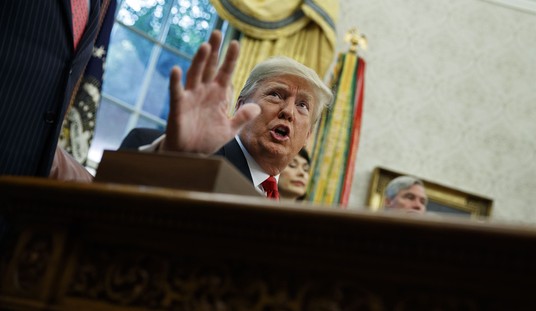
The Trump administration has fought tirelessly for four years to prevent those countries from cheating the international tax system and to stop them from attacking American companies. The United States Trade Representative launched an investigation in the French Digital Services Tax and concluded that it is indeed discriminatory and imposed a 25 percent tariff on $1.3 billion worth of French handbags, cosmetics, and other luxury products in retaliation for the French digital services tax on American companies. The measures are suspended for up to six months.
President Trump personally negotiated with French President Macron to avoid an implementation of the tax until the end of the year. USTR launched 301 investigations into Digital Services Taxes that have been adopted or are being considered by the European Union, India, Indonesia, the United Kingdom, the Czech Republic, Spain, Austria, Turkey, Italy, and Brazil. The Trump administration should use the rest of the year to make continued progress – and, if possible, finalize – the investigations.
The OECD started negotiations to find an international solution to the digital tax problem and prevent an escalating trade war. In reality, it was just another stage for all countries that want to impose digital taxes to come together to attack America and create a new international tax system that treats American companies unfairly. The OECD proposals mainly consist of two pillars, which, combined, are estimated to increase global tax revenue by $100 billion annually. Pillar I covers the reallocation of taxing rights across jurisdictions, and while initially designed to cover digital companies, appears to have significantly expanded to apply to other industries. Pillar II is the specific creation of a global minimum tax on corporate profits. Combined, these two proposals would represent a significant rearrangement of the international corporate tax system, while representing a shift in funds from open economies to countries with large degrees of corruption, state intervention, and violations of human rights such as China, Russia, and Argentina, which, while not members of the OECD, are part of the broader Framework “Base Erosion and Profit Shifting” (BEPS).The Trump administration made a powerful decision to leave those negotiations.
Recommended

The Trump administration was always prepared to take all appropriate action to defend American businesses and workers against any such discrimination. Will that change under a Biden administration?
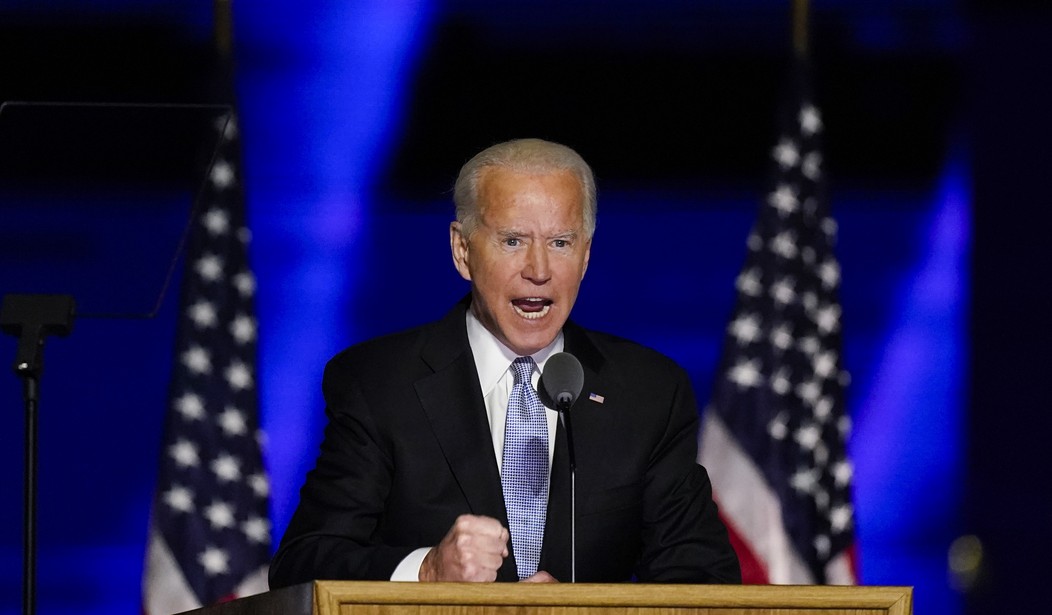
A Biden administration is expected to take a much more globalist approach and be “more conventional” with a focus on “normalizing” relations with other nations. Though the U.S. might re-join the negotiations at the OECD level, the new administration has an opportunity to continue making progress on this key issue with rare bipartisan consensus. Key Congressional leaders including Senate Finance Committee Chairman Chuck Grassley (R-Iowa) and Ranking Member Ron Wyden (D-Ore.) and Ways and Means Chairman Richie Neal (D-Mass) and Ranking Member Kevin Brady (R-Texas) have strongly raised objections to digital taxes, noting that these unilateral taxes “adversely affect U.S. businesses and have negative economic and diplomatic effects.” Additionally Representatives Ron Estes (R-Kan.) and Dan Kildee (D-Mich.) have introduced a bipartisan resolution expressing Congressional opposition to foreign efforts to impose DSTs on American businesses.
A Biden administration should continue to defend American innovation, businesses and workers from these unilateral attacks. Digital Services Taxes pose unprecedented dangers to tax competition, innovation, and American and worldwide economic growth and represent a dramatic and irreversible shift for the international tax system.








Join the conversation as a VIP Member