



When the European Union voted to put up a $1 trillion fund to bail out indebted countries in the Eurozone, it implicitly rejected the alternative, which was to purchase the Greek debt outright, making it an obligation of the EU as a whole and no longer just a Greek affair.
By opting for the bailout, the European Union has taken a middle course between full debt assumption and abandonment that won't work. The markets will keep pressing until the EU throws in the towel and buys up all the outstanding Greek debt. Shortly thereafter, it will have to do the same thing for Portugal and perhaps for Italy and Spain.
Greece owes $400 billion. Portugal owes $175 billion. And, over the horizon lies Italy, which owes $2 trillion, and Spain is on the hook for $819 billion. Against these numbers, a $1 trillion fund doesn't inspire a whole lot of confidence.

Spain has kept its debt level low, 60 percent of gross domestic product, thanks to the fiscal responsibility of the regime of President Aznar. But Italy has had no such prudence and now owes 115 percent of its GDP in debt, a percentage only slightly less than in Greece.
This run on the Club Med countries will continue, and the $1 trillion fund will not be enough to stop it.
The key question is how will Germany respond? Ever since the 1920s and 1930s, Germans have had a national consensus that unemployment is tolerable but that inflation is not. Having seen Adolf Hitler take power in the wake of the inflation of the Weimar Republic, Berlin does not look kindly on inflation. But an aggressive German effort to save Greece -- and certainly one to save Italy -- would run afoul of this long-held belief and would undermine confidence in Germany's ability to pay its debts.
Recommended
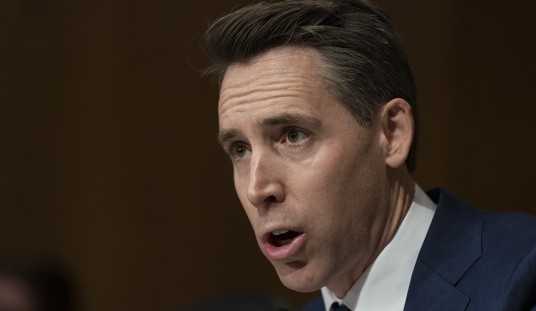
Berlin is caught between a rock and a hard place. If it props up Greece, it undermines confidence in German solvency. If it doesn't, it undermines it in the Euro. Either path will lead to inflation.
Already, Germany's debt to GDP ratio is 77 percent (not quite Italy's 115 percent or Greece's 125 percent, but getting up there). Last week, the cost of insuring $10 million of German government debt against default for five years rose to $47,000, as opposed to only $35,000 at the start of April. These insecurities are certain to rise the closer Germany gets to assuming Greece's debt.
But if a Eurozone nation is allowed to default, inflation will certainly come as faith in the Euro falls.
The meaning for the United States, immediately, is that the export-driven recovery, stoked by improvements in Europe, is likely to fade and the dollar will strengthen, making U.S. exports less competitive.
But the longer-term meaning is much more serious. Investors have gone from being nervous about small banks (the savings-and-loan crisis of the '80s) to being nervous about big banks to being nervous about non-bank financial institutions to being nervous about small countries.
The next steps are obvious. The worry will spread to medium-sized countries like Italy and Britain, and then to the biggest of all: the United States.
Obama has left us vulnerable to these concerns with his huge and unnecessary budget deficit. With our debt now exceeding 80 percent of our GDP (it was 60 percent when Obama took office), we are hostage to speculators and nervous investors. In 2011, we may well experience the same kind of international jitters that now bedevil Greece and find our hand forced by an international consensus, just as Athens' has been.
When Republicans stand against tax increases in 2011 and Democrats block spending cuts, the positions of both political parties may be irrelevant. Obama has so compromised our financial independence that the bond market may make the decision for us and jam both down our throats. Today, Athens. Tomorrow, Washington.
The Obama deficit is a gift that keeps on giving!







Join the conversation as a VIP Member