







As the United States barrels toward a Friday deadline for rail unions and companies to reach an agreement to avert a national strike, rail companies are halting shipments in another sign that negotiations might not prevent a nationwide rail shutdown.
This worrying development comes according to "an agricultural association and sources at two grain cooperatives" who spoke to Reuters about the emerging threat to exports and domestic deliveries.
As Reuters explains, the timing of the looming strike is making the situation even worse. "With farmers starting to harvest autumn crops that are shipped to meat and biofuels producers, the shipping disruptions could add to already high inflation," something that was already shown to be increasing in this week's inflation reports measuring August costs. "Farmers also plan to add fertilizer to fields after the harvest, and shipments of fertilizer are being delayed," another ripple effect that would make even a short rail shutdown a significant crisis with lasting impacts.
Max Fisher, chief economist at the National Grain and Feed Association, which represents most U.S. grain handlers, said rail customers reported at least one railway would stop taking grain shipments on Thursday morning.
Most major U.S. railways have already stopped accepting new shipments of ammonia fertilizer and other potentially hazardous materials, said Justin Louchheim, senior government affairs director at The Fertilizer Institute, an industry group.
Louchheim said fertilizer producers are now evaluating how much storage they have for ammonia that cannot move by rail, and whether some can move by truck.
The potential rail shutdown looms just six weeks before most Midwest farmers would begin applying fertilizer, said Josh Linville, fertilizer director at StoneX Group. About 40% of the U.S. fertilizer supply is on a rail car at some point before arriving on a farm, he said.
So not only will a rail strike that brings America's rail system to a grinding halt be detrimental in the short term, it could slash supply and add more inflationary pressure to the economy while preventing farmers from doing the necessary preparation work for next spring's plantings.
In addition, as Reuters explained, much of U.S. agriculture depends on rail:
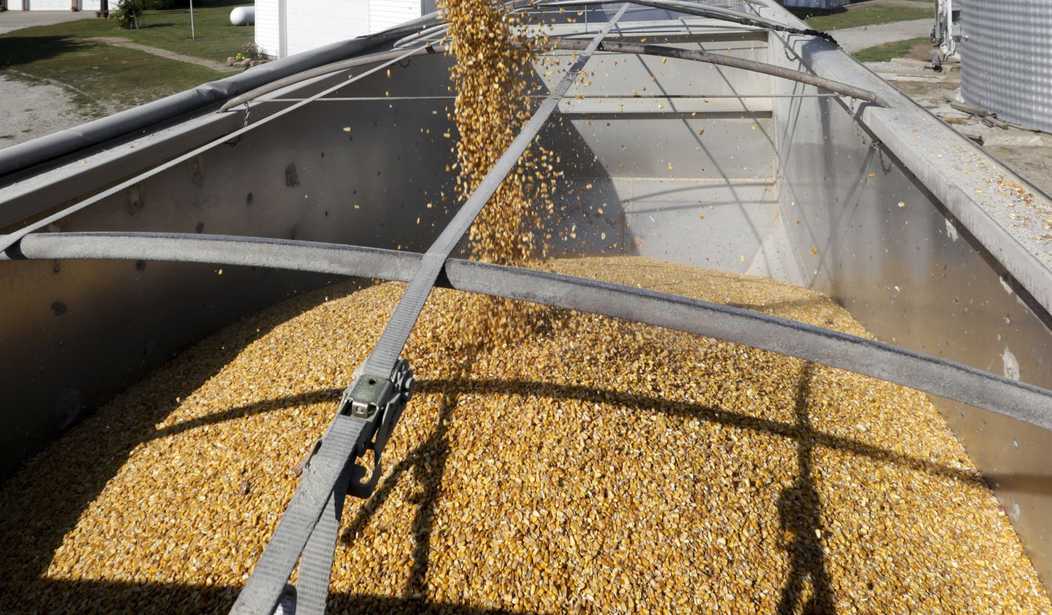
U.S. chicken producers rely on about 27 million bushels of corn and 11 million bushels of soymeal every week to feed their birds, the National Chicken Council said. Much is moved by rail.
"Any disruption of service could negatively impact the welfare of the birds, and ultimately impact production at a time when Americans are already dealing with record food inflation," council spokesman Tom Super said.
In North Carolina, a pork and poultry producer, local grain growers do not produce enough corn to feed all the farm animals, said Bob Ford, executive director of the North Carolina Poultry Federation.
"We'd be in trouble if they went on strike for very long," Ford said. "We'd run out of corn."
Wayne-Sanderson Farms, a Georgia-based chicken company owned by Cargill Inc and Continental Grain, is working with local corn producers to augment feed supplies if needed during rail disruptions, spokesman Frank Singleton said.
[...]
Some rail customers that feed livestock do not have enough soymeal, said Fisher, of the National Grain and Feed Association. In a worst case scenario, that could force some producers to cull animals.
Railroads also ship hexane, a chemical solvent that crushers use to extract oil from soybeans, said Mike Steenhoek, executive director of Soy Transportation Coalition.
"Any slowdown or stoppage of rail service – especially on the eve of harvest – would significantly impact farmers' ability to meet customer demand – both domestically and internationally," Steenhoek said.
The White House does not have a briefing scheduled on Wednesday, but Press Secretary Karine Jean-Pierre tried to assuage concerns about a strike on Tuesday — but failed to explain how, after months of direct involvement by the Biden administration in the labor dispute, had only a "contingency plan" to shift rail freight to planes, boats, and trucks.
Karine Jean-Pierre: The Biden administration's "contingency plan" in the event of a devastating rail strike is "working with other modes of transportation including the shippers, and truckers, airfreight..." pic.twitter.com/dR1CDHALBc
— Townhall.com (@townhallcom) September 13, 2022



Join the Conversation
VIP members get the ability to comment on articles.