

Speaker of the House Mike Johnson blasted the socialist sweep in New York last night, after several Democratic Socialists of America (DSA)-backed candidates defeated establishment Democrat-backed candidates in a scathing rebuke of House Minority Leader Hakeem Jeffries.
🚨 NOW: Speaker Johnson GOES OFF on the rise of socialists and communists in the Democrat Party after Mamdani candidates win in NY
— Eric Daugherty (@EricLDaugh) June 24, 2026
"Hakeem Jeffries was BOOED in New York, in his OWN BACKYARD!"
"They shouted: YOU'RE NEXT! Hakeem Jeffries has a TALL task ahead of him."
"He has… pic.twitter.com/z4enxK2KlZ
"Hakeem Jeffries has a tall task ahead of him right now," Speaker Johnson told reporters Wednesday morning. "He's got to go out and somehow make a credible pitch to Democrat establishment donors that that's a good national investment right now. That's a tough one to make. He has just proven that he cannot even hold the line in his own backyard. How can he possibly defend against the Marxist march around the country in these other districts?"
"This is not your father's Democrat party, as we see all the time," he added.
"The Democrat party, the socialists, the Marxists have nominated some of the most radical candidates to ever run for office, and they're running for Congress. The insurgent left is on the rise."
The socialist victory in New York has underscored a major shift within the Democratic Party, signaling not just an escalation in culture war politics but a deeper embrace of radical economic ideas. The Soviet Union may have collapsed in 1991, long heralded as the end of socialism, but that conclusion now looks far less definitive.
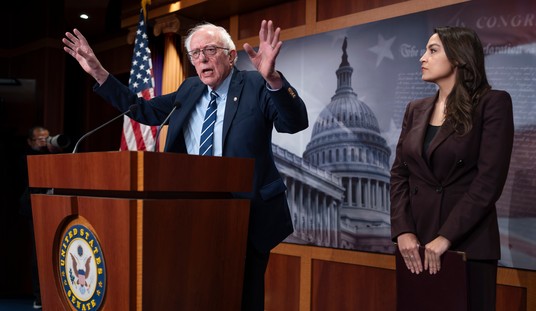
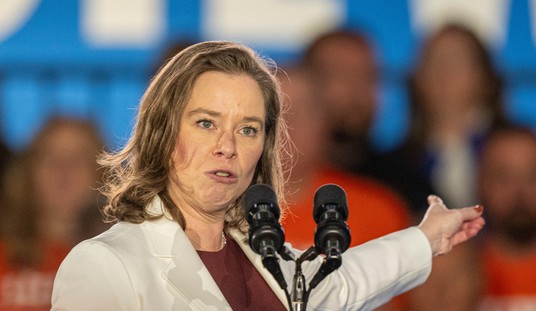
Socialism is very much present in modern American politics, and increasingly consequential as it gains backing from organized political movements like the DSA and, potentially, the Democratic Party more broadly. Democrats have continued shifting leftward while still maintaining electoral strength, and the growing success of openly socialist candidates challenges the long-held assumption that such ideas are untenable in the United States.
Its most visible epicenter is New York City, and its influence will extend further into other Democratic strongholds and, over time, into a majority share of Democratic candidates.
For conservatives, it serves as a clear opening to reassert their anti-communist foundations and advance a more defined economic vision, one that goes beyond maintaining the status quo or simply cutting taxes. That means actively defending free markets, rolling back an overburdensome regulatory code, resisting the practice of subsidizing industries the government deems "good," and building frameworks that encourage entrepreneurship, risk-taking, and greater market competition.
🚨 JUST IN: Speaker Johnson responds to the rise of Marxist communist candidates in New York
— Eric Daugherty (@EricLDaugh) June 24, 2026
"President Ronald Reagan reminded us, constantly, freedom is never more than one generation away from extinction."
"And he said, it's got to be fought for, it's got to be protected,… pic.twitter.com/vFLZiSPvAB
Without a clear and active economic vision on the right, Democrats, and Americans more broadly, will increasingly be drawn toward the utopian appeal of socialism.