'Iron Lung' and the Future of Filmmaking
These Athletes Are Getting Paid to Shame Their Own Country at the Olympics
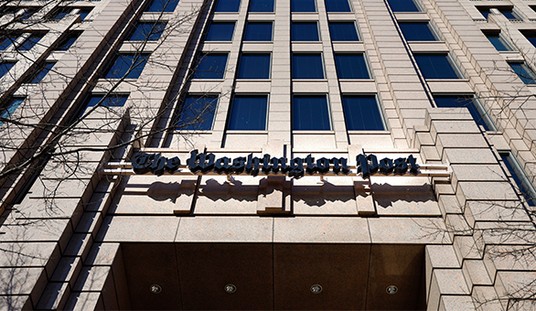
WaPo CEO Resigns Days After Laying Off 300 Employees
Georgia's Jon Ossoff Says Trump Administration Imitates Rhetoric of 'History's Worst Regim...
U.S. Thwarts $4 Million Weapons Plot Aimed at Toppling South Sudan Government
Minnesota Mom, Daughter, and Relative Allegedly Stole $325k from SNAP
Michigan AG: Detroit Man Stole 12 Identities to Collect Over $400,000 in Public...
Does Maxine Waters Really Think Trump Will Be Bothered by Her Latest Tantrum?
Fifth Circuit Rules That Some Illegal Aliens Can Be Detained Without Bond Until...
Just Days After Mass Layoffs, WaPo Returns to Lying About the Trump Admin
Nigerian Man Sentenced to Over 8 Years for International Inheritance Fraud Targeting Elder...
Florida's Crackdown on Non-English Speaking Drivers Is Hilarious
Family Fraud: Father, Two Daughters Convicted in $500k USDA Nutrition Program Scam
American Olympians Bash Their Own Country As Democrats and Media Gush
Speculation Into Iran Strike Continues As Warplanes Are Pulled From Super Bowl Flyover...
Tipsheet

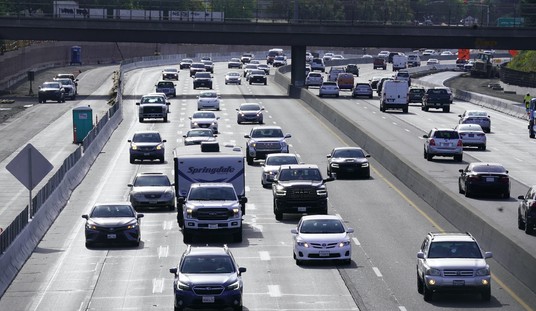
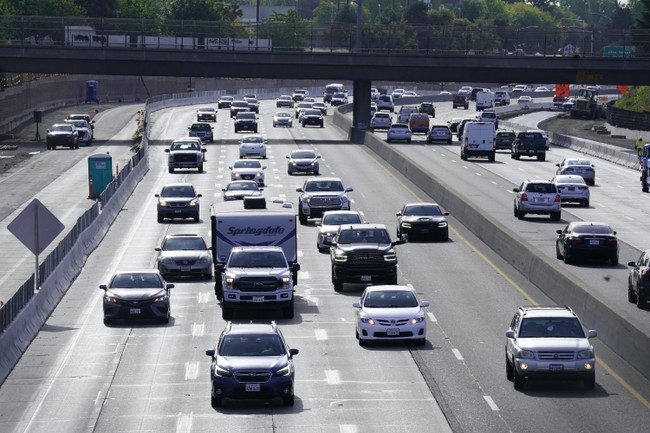
House Moves to Try & Save Broken Down Clunkers Program

Updated: The House today passed a bill to redirect $2 billion from reserved stimulus dollars to help fund the broken down "cash for clunkers" program.  As we mentioned earlier, the program burned through about $1 billion during its first six days.  So, these new House efforts should help to extend the program by... a couple of weeks. 
Advertisement


What happens after that?  No one seems to know or care.  Since the auto industry is already in the red, why not divert some more tax dollars away from people who own cars that get more than 18 mpg to people who own one that gets, say, 16 mpg. 

Michael Barone of the Washington Examiner notes that this scheme is nothing new.  In fact, Arizona tried something similar: 
Her [Governor Jane Hull’s] biggest mistake was signing the alternative fuels program pushed by House Speaker Jeff Groscost. This provided huge subsidies, averaging over $20,000, to cars equipped to run on alternative fuels--propane, natural gas, electricity. The law did not require motorists to use the alternative fuels, and soon car owners were installing small propane tanks in their SUVs and demanding huge rebates. The program was billed as costing $5 million, but over the fall the cost zoomed up to $500 million--one-tenth of the state budget. Hull called a special session of the state legislature in November 2000 and suggested the state would pay the rebates over five years; Attorney General Janet Napolitano argued that the rebates could be voided if the law were repealed in the same year it was passed. Eventually the law was repealed in December 2000, but the cost to the state has been huge.
Advertisement
Join the conversation as a VIP Member

Recommended

Trending on Townhall Videos

Advertisement
Advertisement
Advertisement