





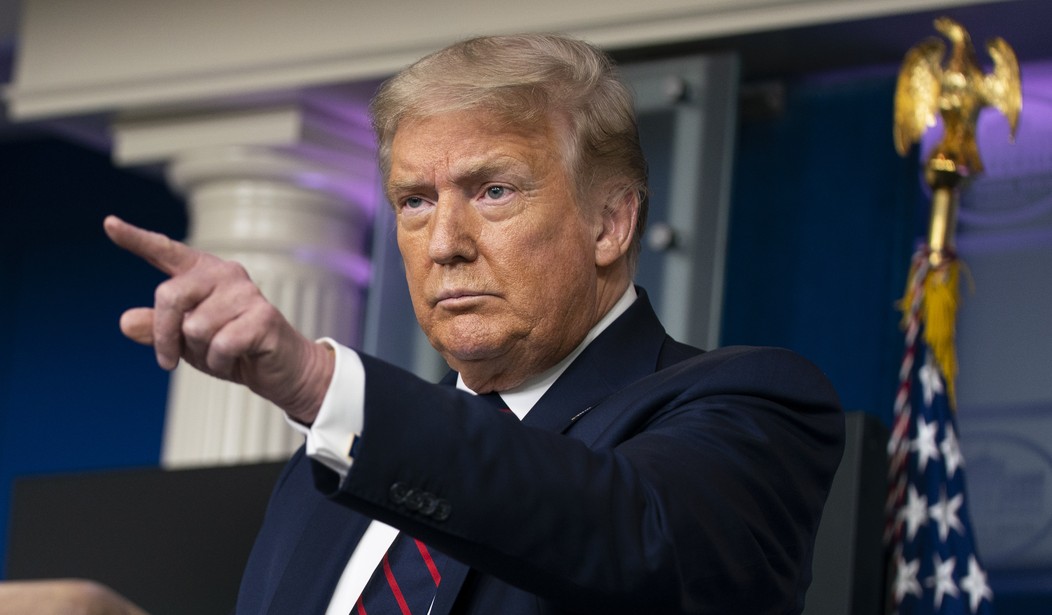
The Department of Commerce has filed a petition with the Federal Communications Commission (FCC) in an effort to combat online censorship. The action is in response to President Trump’s May 28 Executive Order in which he directed the agency to clarify regulations related to current federal communications law.
According to a statement from White House Press Secretary Kayleigh McEnany, the petition amends Section 230 of the 1996 Communications Decency Act to make clear that social media companies that alter or editorialize users’ speech will not escape civil liability. It also requests that the FCC clarify whether Section 230 provides protection for social media companies’ content moderation decisions, determine the conditions under which social media policies so dictate the flow of information that they are no longer protected, and seek transparency on companies’ moderation practices.
Secretary of Commerce Wilbur Ross emphasized that the purpose of the petition was not to control social media companies but rather to promote “free and open debate” among Americans, especially as the election approaches.
“It has long been the policy of the United States to foster a robust marketplace of ideas on the Internet and the free flow of information around the world,” Ross said in a press release. “President Trump is committed to protecting the rights of all Americans to express their views and not face unjustified restrictions or selective censorship from a handful of powerful companies.”
The news comes in the midst of Big Tech’s all-out assault on viral videos of doctors contradicting the narrative on hydroxychloroquine and lockdowns. Facebook, Instagram, Twitter, and YouTube have been actively censoring and removing the footage which was originally live-streamed Monday by Breitbart. The video received 14 million views in six hours and was the most-engaged post on Facebook on Monday, garnering nearly 600,000 shares before it was banned. It also caused “Breitbart” and “hydroxychloroquine” to trend on Twitter. The company partially disabled Donald Trump Jr.’s account after he retweeted the video, claiming he was "violating the policy on spreading misleading and potentially harmful information related to COVID-19."
In his original executive order, President Trump said America “must foster and protect diverse viewpoints in today’s digital communications environment” and “seek transparency and accountability from online platforms.” Trump doubled-down on that message in a tweet Wednesday, threatening to “bring fairness to Big Tech” if Congress does not act.
If Congress doesn’t bring fairness to Big Tech, which they should have done years ago, I will do it myself with Executive Orders. In Washington, it has been ALL TALK and NO ACTION for years, and the people of our Country are sick and tired of it!
— Donald J. Trump (@realDonaldTrump) July 29, 2020
The president has an ally in Missouri Sen. Josh Hawley, who introduced a bill last month to empower Americans to sue Big Tech companies that selectively censored political speech and hid content created by their competitors. The bill stated that companies who want to receive Section 230 protections must bind themselves contractually to a “duty of good faith.”
Whether Hawley's colleagues will step up and join him or leave the dirty work to Trump remains to be seen.

Join the Conversation
VIP members get the ability to comment on articles.