





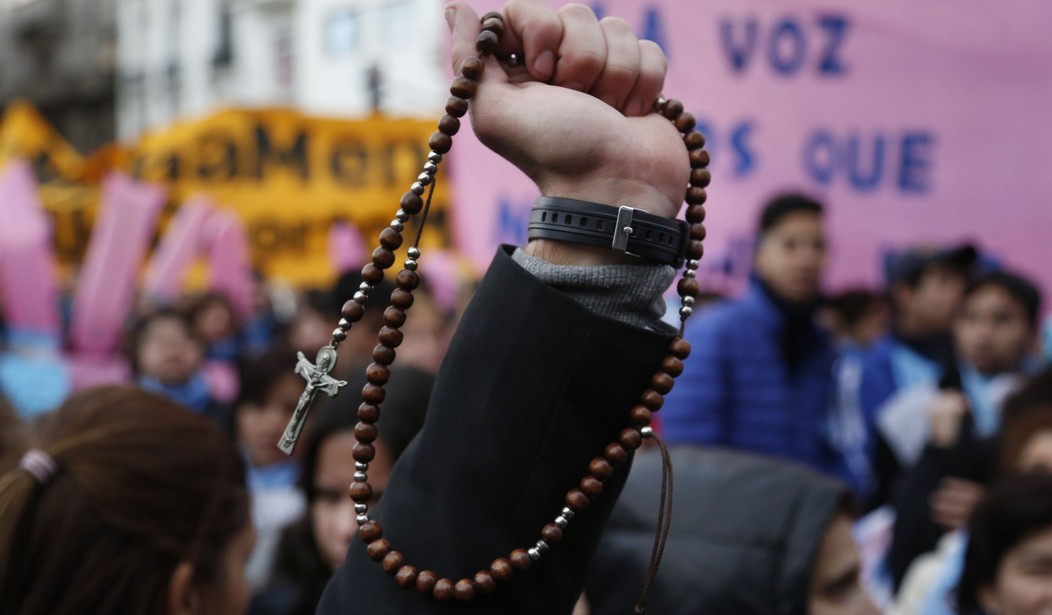
On Thursday, the Supreme Court of the United States (SCOTUS) ruled unanimously that a Catholic Charities chapter in Wisconsin was improperly discriminated against based on religion when it was denied a tax exemption.
The state singled out and tried to force the organization to pay unemployment taxes.
According to many reports, other faith organizations were exempt from this (via Associated Press):
Wisconsin argues the organization has paid the tax for over 50 years and doesn’t qualify for an exemption because its day-to-day work doesn’t involve religious teachings. Much of the groups’ funding is from public money, and neither employees nor people receiving services have to belong to any faith, according to court papers.
Catholic Charities, though, says it qualifies because its disability services are motivated by religious beliefs and the state shouldn’t be making determinations about what work qualifies as religious. It appealed to the Supreme Court after Wisconsin’s highest court ruled against it. President Donald Trump’s administration weighed in on behalf of Catholic Charities.
🚨BREAKING — Supreme Court delivers a BIG WIN for religious liberty!
— Townhall.com (@townhallcom) June 5, 2025
SCOTUS just UNANIMOUSLY RULED that a Catholic charity had their First Amendment rights VIOLATED by the state of Wisconsin.
The state tried to BLOCK the group from receiving a tax benefit.
BIG WIN. pic.twitter.com/WQ8pHpTPGv
“It is fundamental to our constitutional order that the government maintain ‘neutrality between religion and religion,’” Justice Sonia Sotomayor wrote in the opinion for a unanimous court.
“There may be hard calls to make in policing that rule, but this is not one. When the government distinguishes among religions based on theological differences in their provision of services, it imposes a denominational preference that must satisfy the highest level of judicial scrutiny,” she added.
Catholic Charities carries out “wide variety of ministries for the elderly, the disabled, the poor,” court documents detail.
Justice Clarence Thomas, wrote separately that the state went too far into investigating how Catholic Charities was structured.
“The First Amendment’s guarantee of church autonomy gives religious institutions the right to define their internal governance structures without state interference,” Thomas wrote.
Editor's Note: With this ruling, the Supreme Court just protected the religious liberty of all Christian Americans.
Support Townhall as we continue to report on SCOTUS and defend our rights protected by the First Amendment. Join Townhall VIP and use promo code FIGHT to get 60% off your membership.


Join the Conversation
VIP members get the ability to comment on articles.