





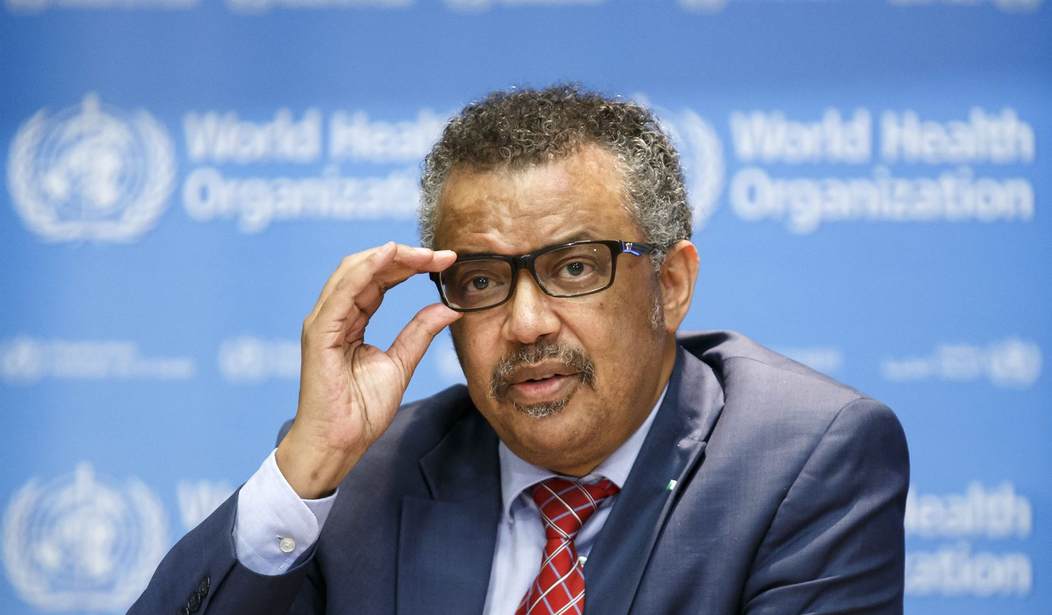
After more than two years of negotiations, World Health Organization member states failed to reach an agreement on a draft global treaty that would fight future pandemics.
WHO officials had hoped to present the draft at its yearly meeting of health ministers in Geneva this week.
The accord’s aim was to set guidelines for how the WHO’s 194 member countries might stop future pandemics and better share resources. But experts warned there were virtually no consequences for countries that don’t comply.
The co-chairs of the treaty-drafting process didn’t specify what caused the logjam, but diplomats have said vast differences remained over sharing of information about pathogens that emerge and the sharing of technologies to fight them.
The latest draft had proposed that WHO should get 20% of the production of pandemic-related products like tests, treatments and vaccines and urges countries to disclose their deals with private companies.
Earlier this month, U.S. Republican senators wrote to the Biden administration, arguing that the draft treaty focused on issues like “shredding intellectual property rights” and “supercharging the WHO.” They urged Biden not to sign off.
Britain’s department of health said it would only agree to an accord if it adhered to British national interest and sovereignty.
Meanwhile, many developing countries said it’s unfair that they might be expected to provide virus samples to help develop vaccines and treatments, but then be unable to afford them. (AP)
Despite disagreements over the draft treaty, WHO Director-General Tedros Adhanom Ghebreyesus insisted “this is not a failure.”
“We will try everything — believing that anything is possible — and make this happen because the world still needs a pandemic treaty,” he said. “Because many of the challenges that caused a serious impact during COVID-19 still exist.”
If adopted, WHO member nations would be legally bound by the treaty, which in this case would include policies on pathogen surveillance and scientific data sharing regarding outbreaks, among other issues.
WHO Director General dr. Tedros announces the failure of Pandemic Agreement/Treaty. pic.twitter.com/dWggJDylvn
— Camus (@newstart_2024) May 27, 2024


Join the Conversation
VIP members get the ability to comment on articles.