





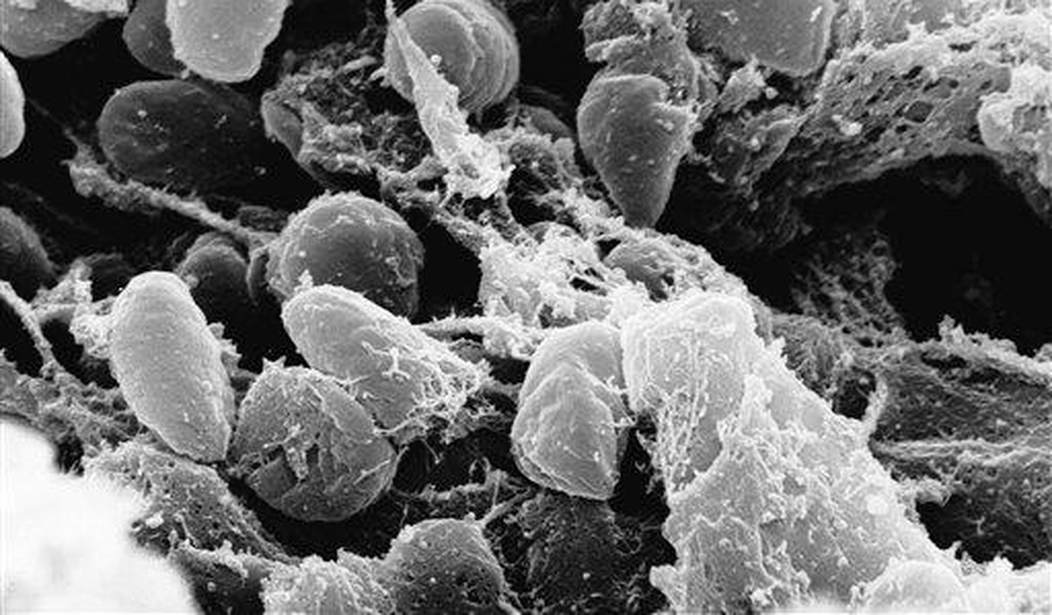
A case of the Bubonic plague has been reported in Oregon for the first time in more than eight years.
According to Deschutes County Health Services, the individual was likely infected from their symptomatic pet cat.
Health authorities believe there is “little risk to the community” since the individual was diagnosed and treated in the early stage of the disease.
The owner's infection likely started out in a lymph node — what's known as bubonic plague, Fawcett said. By the time the owner was hospitalized, the infection had progressed to the bloodstream, he said. Fawcett said the patient "responded very well to antibiotic treatment."
However, he noted that some doctors felt the patient had developed a cough while at the hospital. That could be an early sign of pneumonic plague — a version that transmits among humans — but Fawcett said it’s not clear if the disease had progressed that far. (NBC News)
“All close contacts of the resident and their pet have been contacted and provided medication to prevent illness,” Dr. Richard Fawcett, Deschutes County Health Officer, said in a statement.
Symptoms of plague usually begin in humans two to eight days after exposure to an infected animal or flea. These symptoms may include a sudden onset of fever, nausea, weakness, chills, muscle aches, and/or visibly swollen lymph nodes called buboes.
If not diagnosed early, bubonic plague can progress to septicemic plague (bloodstream infection) and/or pneumonic plague (lung infection). These forms of plague are more severe and difficult to treat.
Squirrels and chipmunks are the most common animal carriers of the disease in Central Oregon, though mice and other rodents can carry it as well. “Pet cats are highly susceptible to plague, and infected cats can transmit the bacterium to humans,” the statement said, warning residents to discourage rodent hunting by their pets.
The last reported case in Oregon was in 2015.



Join the Conversation
VIP members get the ability to comment on articles.