





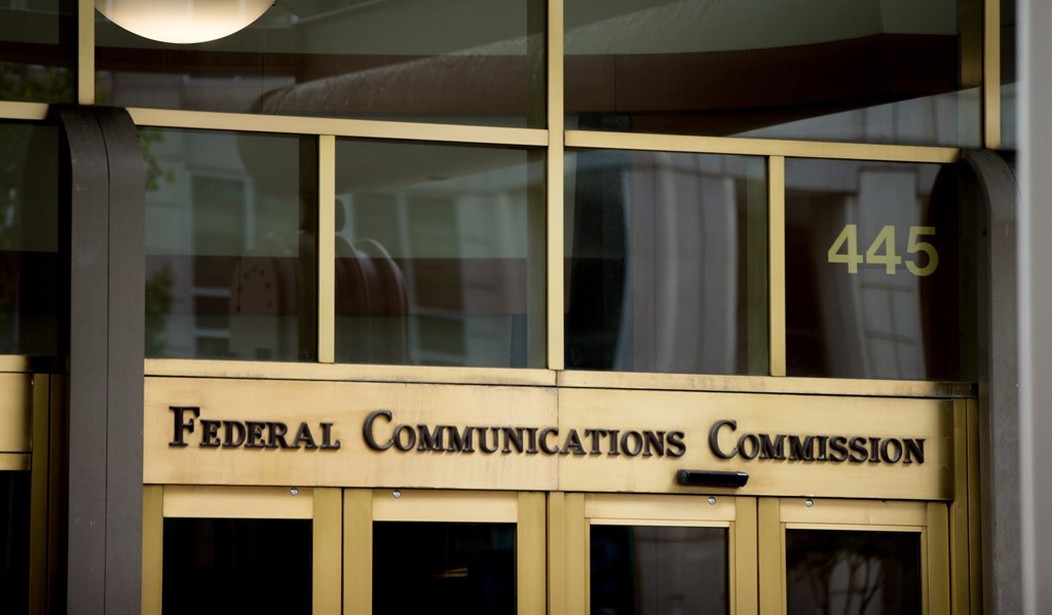
The Federal Communications Commission on Friday took an “unprecedented step” to protect U.S. national security, banning the import and sale of certain technology equipment from Chinese companies.
In a statement posted on Twitter, FCC Commissioner Brendan Carr announced it adopted rules banning new Huawei and ZTE telecommunications devices. Hytera Communications, Hangzhou Hikvision Digital Technology, and Dahua Technology are also affected by the rules.
“Our unanimous decision represents the first time in FCC history that we have voted to prohibit the authorization of new equipment based on national security concerns," Carr said.
Today, the FCC takes an unprecedented step to safeguard our networks and strengthen America’s national security.
— Brendan Carr (@BrendanCarrFCC) November 25, 2022
Our unanimous decision represents the first time in FCC history that we have voted to prohibit the authorization of new equipment based on national security concerns. pic.twitter.com/wwCxZmTPJv
The Report and Order applies to future authorizations of equipment identified on the Covered List published by the FCC’s Public Safety and Homeland Security Bureau pursuant to the Secure and Trusted Communications Networks Act of 2019. The new rules prohibit the authorization of equipment through the FCC’s Certification process, and makes clear that such equipment cannot be authorized under the Supplier’s Declaration of Conformity process or be imported or marketed under rules that allow exemption from an equipment authorization. The Covered List (which lists both equipment and services) currently includes communications equipment produced by Huawei Technologies, ZTE Corporation, Hytera Communications, Hangzhou Hikvision Digital Technology, and Dahua Technology (and their subsidiaries and affiliates). The new rules implement the directive in the Secure Equipment Act of 2021, signed into law by President Biden last November, that requires the Commission to adopt such rules.
The Commission also adopted a Further Notice of Proposed Rulemaking seeking further comment on additional revisions that should be made to the rules and procedures prohibiting the authorization of “covered” equipment. It also seeks further comment on potential revisions to the Commission’s competitive bidding program. The Commission is also seeking comment on future action related to existing authorizations.
The new rules follow a series of other FCC initiatives to keep U.S. networks secure. In addition to today’s actions and maintaining the Covered List, the FCC has prohibited the use of public funds to purchase covered equipment or services, launched the Secure and Trusted Communications Networks Reimbursement Program to remove insecure equipment that has already been installed in U.S. networks, revoked operating authorities for Chinese state-owned carriers based on recommendations from national security agencies, updated the process for approving submarine cable licenses to better address national security concerns, and launched inquiries on IoT security and internet outing security, among other actions. (FCC)
“The FCC is committed to protecting our national security by ensuring that untrustworthy communications equipment is not authorized for use within our borders, and we are continuing that work here,” FCC Chairwoman Jessica Rosenworcel said in a press release.



Join the Conversation
VIP members get the ability to comment on articles.