







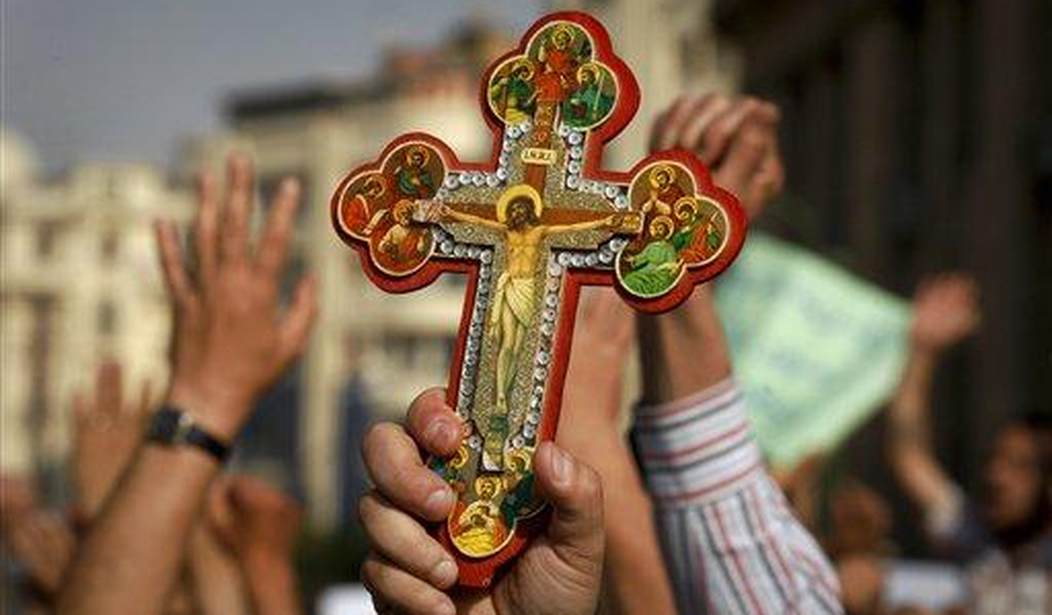
As Christians in the United States and all around the world celebrate Christmas, those who follow the teachings of Jesus remain some of the most persecuted people on earth.
According to data compiled by Open Doors, an international network dedicated to helping persecuted Christians, thousands of believers were killed in 2022 for their faith.
Over 360 million Christians living in places where they experience high levels of persecution and discrimination
5,898 Christians killed for their faith
5,110 churches and other Christian buildings attacked
4,765 believers detained without trial, arrested, sentenced or imprisoned
Authoritarian, communist governments are the perpetrators, in addition to Islamic terrorist oraganizations.
"Christian persecution takes place under authoritarian governments. In places like North Korea or Eritrea, authoritarian governments seek to control all religious thought and expression as part of a comprehensive plan to tightly oversee all aspects of political and everyday life. These governments regard some religious groups as enemies of the state because they hold religious beliefs that may challenge loyalty to the rulers," Open Doors reports. "In places like the Middle East and Nigeria, Islamic extremist groups terrorize communities and churches, killing those they consider to be “infidels” (often in coordinated bombings), raping and kidnapping women and burning down homes and churches. Their victims can be fellow adherents of a religion—for instance, Boko Haram attacks on Muslims in Nigeria—but they always target Christians out of hatred for other faiths."
Earlier this month the U.S. Department of State announced additional funding for programs encouraging religious tolerance around the world but more specifically, in Nigeria.



Join the Conversation
VIP members get the ability to comment on articles.