





There is no doubt obesity in America and other developed countries is a massive health problem and a burden on public resources. On the opposite side of the spectrum, starvation and malnutrition are serious problems in dictatorships and underdeveloped countries.
During a recent interview with Sky News, Olympian James Cracknell cited North Korea as one of two countries in the world that have a handle on obesity. The second country he cited is Cuba.
.@jamescracknell says North Korea is one of only two countries in the world that has "a handle on obesity" pic.twitter.com/A71191QRCJ
— Sky News (@SkyNews) April 18, 2017
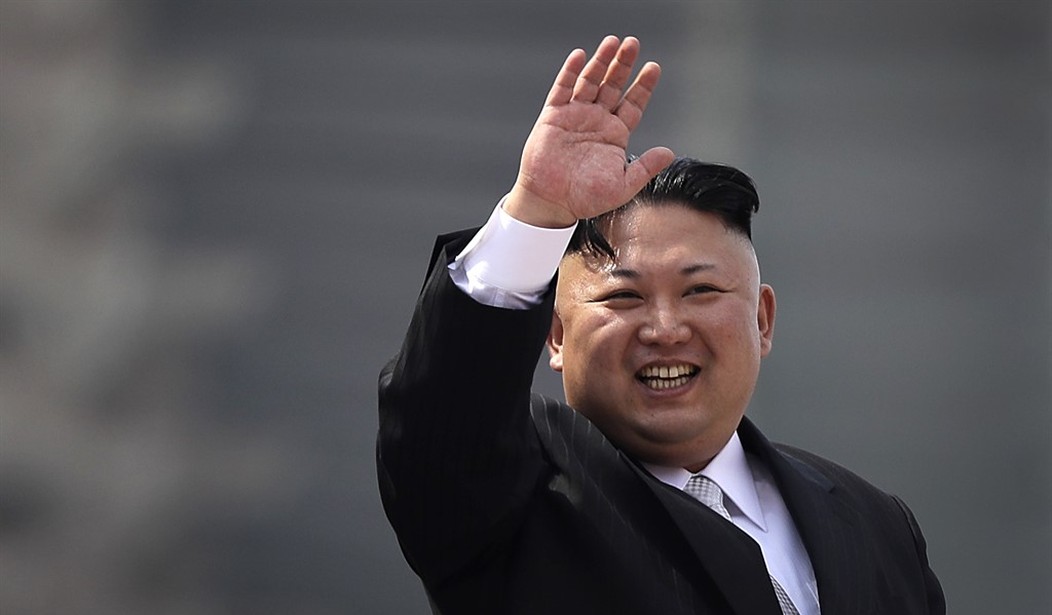
As the anchor properly pointed out, North Korea has a "handle on obesity" because its dictator, Kim Jong-un, is starving his people.
Meanwhile in Cuba, people are hungry for a different reason. Since President Obama "normalized relations with the communist country two years ago, local residents have gone hungry as fresh food is prioritized for tourists. From the New York Times:
For Lisset Felipe, privation is a standard facet of Cuban life, a struggle shared by nearly all, whether they’re enduring blackouts or hunting for toilet paper.
But this year has been different, in an even more fundamental way, she said. She has not bought a single onion this year, nor a green pepper, both staples of the Cuban diet. Garlic, she said, is a rarity, while avocado, a treat she enjoyed once in a while, is all but absent from her table.
“It’s a disaster,” said Ms. Felipe, 42, who sells air-conditioners for the government. “We never lived luxuriously, but the comfort we once had doesn’t exist anymore.”
But the record arrival of nearly 3.5 million visitors to Cuba last year has caused a surging demand for food, causing ripple effects that are upsetting the very promise of Fidel Castro’s Cuba.
Cracknell eventually came around and acknowledged the gaffe.
Stupid analogy deserved criticism. Most obese country US least Cuba. FMCGs defining policy (US) horrendous dictatorship (Cuba/NK) both wrong https://t.co/reoTz1A7Di
— James Cracknell (@jamescracknell) April 18, 2017
Thanks, criticism well deserved. Sad a crass comment created more reaction than effect Non Communicable Disease will have on future of NHS https://t.co/reoTz1A7Di
— James Cracknell (@jamescracknell) April 18, 2017

Join the Conversation
VIP members get the ability to comment on articles.