
Imagine you’re driving home from a long trip. You’re exhausted from hours of driving and maybe you make a sharp turn or are forced to swerve to avoid an object in the road.
Then, suddenly, your vehicle automatically slows down or comes to a complete stop without your consent because an artificial intelligence feature decided you were drunk or otherwise impaired.
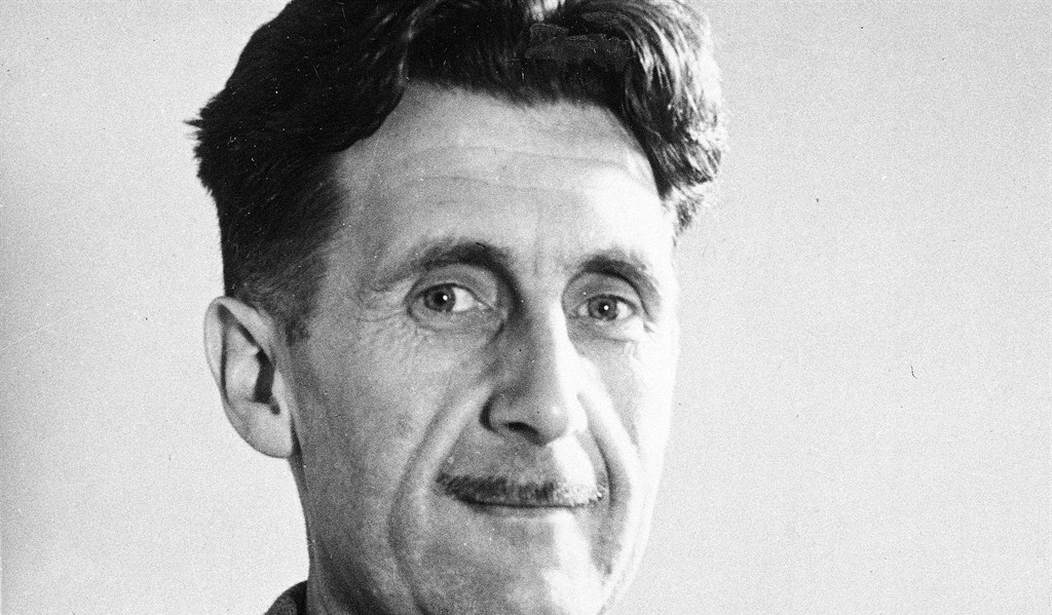
If this strikes you as the type of thing that would make even George Orwell's jaw drop, you’re not alone.
Yet, this is a possibility many are sounding the alarm about thanks to a measure that would require auto manufacturers to outfit their vehicles with this type of technology.
Back in 2021, Congress passed the Infrastructure Investment and Jobs Act, which includes a provision that requires auto manufacturers to include technology aimed at detecting drunk or impaired driving and limits the driver’s ability to operate the vehicle.
Section 24220 of the legislation directs the National Highway Traffic Safety Administration to issue a Federal Motor Vehicle Safety Standard requiring new passenger vehicles to be equipped with “advanced drunk and impaired driving prevention technology.”
This is some insanely dystopian shit.....
— Darth Powell (@VladTheInflator) April 25, 2026
If you car doesn't think you're attentive enough, it will shut down.
In 2027 all cars will be monitoring your every move and recording it.
The systems must passively monitor the driver and intervene if impairment (alcohol, drowsiness,… pic.twitter.com/gGW3clFE97
The law mandates that the technology must work passively, which means the driver is not required to blow into a breathalyzer. The system must be able to detect impairment through driver behavior, blood alcohol concentration, or both.
Regulators are looking at systems such as cabin sensors that analyze alcohol in the air, touch-based sensors that estimate a driver’s blood alcohol concentration (BAC), and cameras that monitor eye movement, head position, or erratic behavior behind the wheel.
So if you’re attacked by crazy leftists in the street, or someone shoots at you and you duck, or a high jacker attacks, your car will stop and you’ll be mobbed and murdered.
— Cat O’ Nine Tales 🌺 🔫 (@NineCato) April 26, 2026
Politicians are so stupid they all need to be locked up. https://t.co/R5wuKCitUI
Here’s what this might look like in real life. A person gets into their car after dinner. When they place their hands on the wheel, the vehicle could scan for alcohol levels or other signs that they are too impaired to drive.
If the system happens to determine the person is over the legal blood alcohol limit, it could prevent them from starting the vehicle, restrict acceleration, or otherwise impede the driver’s ability to operate the car.
This is why it matters.
— MADD (@MADDNational) April 21, 2026
Not later. Not eventually. Now.
We have the technology to stop impaired driving, and the tragedies that occur as a result. The HALT Drunk Driving law must be implemented. pic.twitter.com/Z3F6HI0puN
But what happens if the system makes this determination while the car is already in motion? That’s an issue many have raised, aside from the obvious nanny state implications to such a measure.
Supporters of the provision point out that drunk driving kills an alarming number of Americans each year. NHTSA reported that in 2023, 12,429 people died in crashes involving at least one drunk driver. This number accounts for about 30 percent of all traffic deaths. Organizations like Mothers Against Drunk Driving have championed the technology as a life-saving measure.
But critics are arguing against the provision for a variety of reasons. For starters, the NHTSA has warned that the technology is not ready to be deployed yet. Even a system that is 99.9 percent accurate could still cause tens of millions of mistaken interventions every year given how much Americans drive.
Pros: fewer drunk driving deaths, insurance savings, AI detecting medical emergencies. Cons: false positives, data privacy risks, hacking vulnerabilities, and liability questions. The tech needs to be bulletproof before it's mandatory.
— Christian Nzouat (@moise_chris) April 26, 2026
This means sober people will be wrongly flagged and prevented from driving. What happens when a parent needs to pick up their kids? Or if someone needs to go to work? What if there’s an emergency and your car says “Nope, you can’t drive yet because you’re probably drunk?”
There are also the concerns about privacy and surveillance. Cameras, sensors, and behavioral monitoring systems create far too many opportunities for data collection and abuse. After all, if your car is watching you, what’s to prevent government agencies from using this data to surveil Americans?
It’s like have Big Brother as a passenger in your vehicle. If the state gets to the point where it can enlist a vehicle to surveil people, it’s not paranoid to speculate about what other intrusions can be made in the name of “safety,” right?