
Tennessee lawmakers are considering a proposal that would empower the state to place some foster children in juvenile facilities even if they have never been charged with a crime.
Gov. Bill Lee and the state’s Department of Children’s Services have promoted the measure, which is sponsored by Republican state Sen. Jack Johnson and state Rep. William Lamberth, according to WPLN.
The measure is facing pushback because under current law, the authorities must charge minors with crimes before placing them in juvenile detention. They argue this bill would open the door for locking up foster kids based solely on behavior instead of criminal charges. “It’s concerning when any youth-serving system is looking to incarceration as a solution for problems,” said Jasmine Miller, Youth Law Center attorney.
The bill creates a new category called a “child in need of heightened supervision.” A judge could order detention based on probable cause that a foster child fits the label. It could apply to youth who have exhibited or threatened violent behavior such as murder, robbery, kidnapping, aggravated assault, and some weapons or felony drug offenses.
Tennessee is considering a bill tomorrow that would put foster kids with no criminal record in prison. Similar policies have led to mass r*pe and t*rture of innocent children in prison in New Hampshire other states. You can help us kill this bill today.
— Spike Cohen (@RealSpikeCohen) March 9, 2026
Tennessee (like many… pic.twitter.com/LwuyhUHPsJ
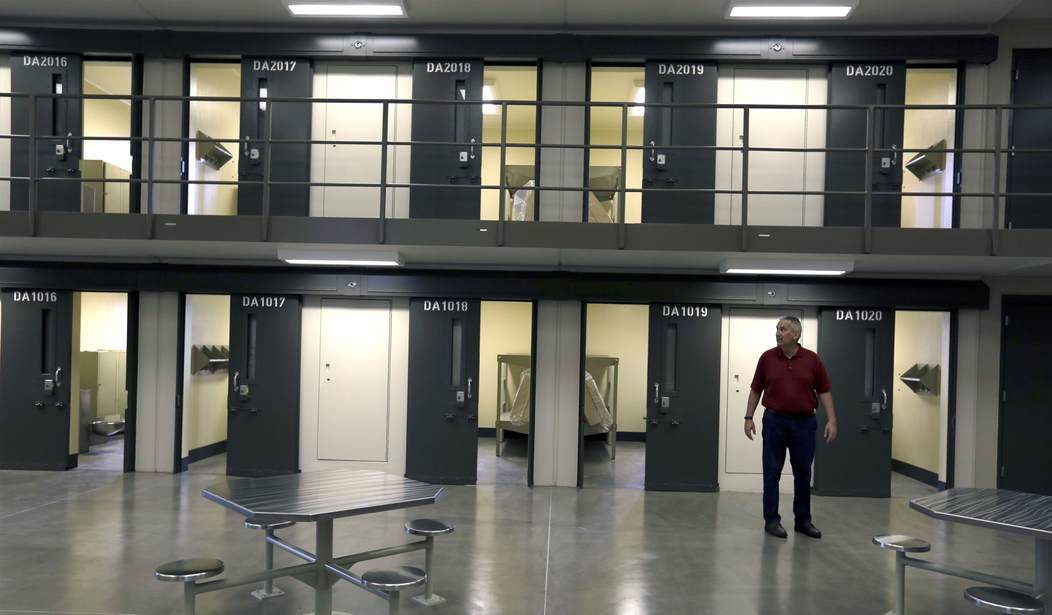
Once a court places the label on a foster child, DCS could place them in the state’s most secure juvenile detention facilities, including those with barbed wire and locked cells.
Critics say this means that children who have been abused or neglected could be treated as criminals without ever receiving due process protections. They also warn that the measure would grant too much power to the same facilities that profit from holding children in custody. Zoe Jamail, Raphah Institute advocate said, “That’s great for lining the pockets of private facilities. But it’s bad for taxpayers. And most importantly, it’s terrible for children. It’s the antithesis of DCS’s mission.”
DCS Legislative Director Jim Layman defended the bill, saying “We have an issue where we are receiving children into custody that are dependent and neglected. The court has ruled them dependent and neglected. But their behaviors don’t match what you would think of as an abused or neglected or an abandoned child.”
Tennessee’s juvenile detention system has come under scrutiny over problems with safety and oversight. A 2024 report from Disability Rights Tennessee and the Youth Law Center noted that many youth are languishing in the juvenile detention system described as “inherently dangerous.”
Knoxville’s Richard L. Bean Juvenile Service Center used so-called “voluntary” seclusion over 1,000 times int he first quarter of 2023 despite having only 30 kids in the building.
WPLN reported that state inspectors documented years of illegal seclusion practices at the Bean Center. In many cases, the staff failed to record when children were released, which made it impossible to ascertain how long kids were confined in isolation.