


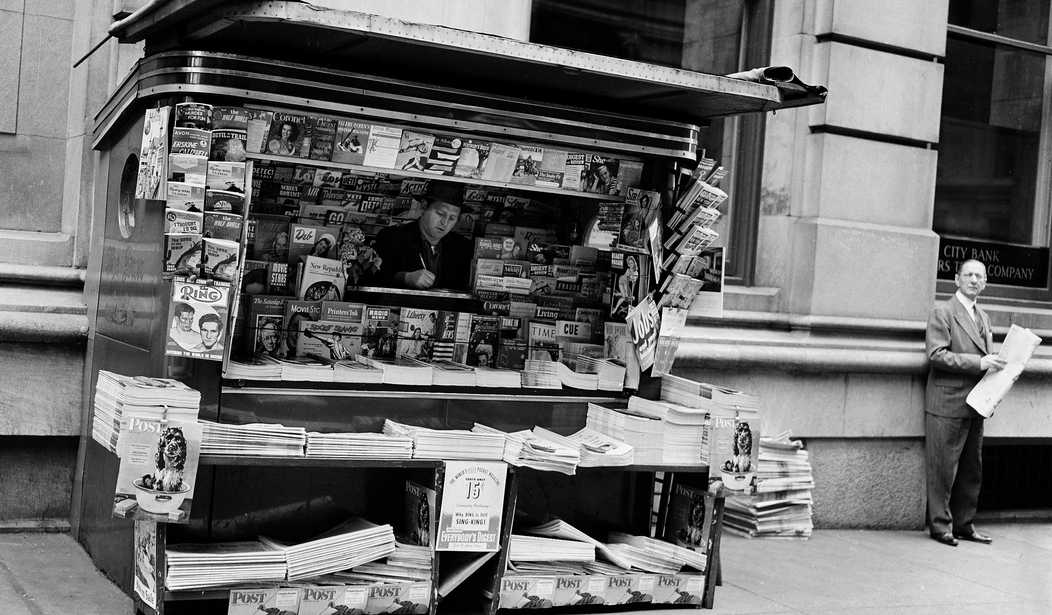
A Mississippi judge granted a temporary restraining order on Tuesday, compelling a local newspaper to remove an editorial criticizing the city council.
The City of Clarksdale’s council voted to file a libel lawsuit against the Clarksdale Press Register, accusing it of publishing a libelous editorial claiming the mayor and city commissioners failed to inform the media about imposing a new tax on residents.
The editorial, which has been taken down from the news site, criticizes the city government for a lack of transparency as it seeks to enact a two-percent sin tax on alcohol, marijuana, and tobacco, to fund law enforcement. The author agreed with the idea, but insists that city officials did not do enough to inform the public and the media before submitting the proposal to the Mississippi state legislature.
The author slammed Mayor Chuck Espy for holding a Special Called Meeting without adequate public notice despite promising to be transparent multiple times in the past. “The notice was posted at city hall as required by law and … stated the city would ‘give appropriate notice thereof to the media.’”
Yet, “This newspaper was never notified,” the author wrote, further noting that the outlet knows of “no other media organization that was notified.”
The author also raises concerns about how the funds from the proposed tax will be allocated. The newspaper argued that the funds could be diverted from law enforcement to other programs due to the proposal’s vague language. The outlet suggested that it could include non-law enforcement expenditures, such as “giving away candy at Halloween, toy giveaways at Christmas and hosting events where politicians can hand out goody bags to voters in the name of safety.”
What is happening in Clarksdale? The city is suing the paper of record for defamation over a critical editorial while mayor is working with a digital only new source, which is owned by a real estate mogul.
— LongLiveLyndy (@LongLiveLyndle) February 19, 2025
That mogul shares a very similar name/former zip to a man who…(1/2)
Judge Crystal Wise Martin granted the city’s request for a temporary restraining order against the Clarksdale Press Register, requiring it to take the article down. The judge argued that the editorial contained statements that could be considered defamatory.
“The injury in this case is defamation against public figures through actual malice in reckless disregard of the truth and interferes with their legitimate function to advocate for legislation,” Martin wrote, also noting that “immediate and irreparable injury, loss or damage will result to Clarksdale, the Board and its members, and the public” if the editorial were allowed to remain.
Seth Stern, director of advocacy at Freedom of the Press Foundation (FPF) issued a statement slamming the judge’s ruling, referring to the city’s lawsuit as “frivolous.”
It's hard to imagine a more unconstitutional order than one compelling a newspaper to take down an editorial critical of the government. And it's particularly ironic when the editorial in question is about government secrecy undermining the public trust. If anyone previously trusted the secretive officials involved in this censorship campaign, they shouldn't now.
“The underlying lawsuit here appears frivolous for any number of reasons. But even in constitutionally permissible defamation lawsuits, it's been well-established law for decades that the remedy for plaintiffs is monetary damages, not censorship orders.
Stern lashed out at the judge, saying she “shouldn’t be adjudicating parking tickets, let alone First Amendment cases.”











Join the conversation as a VIP Member