





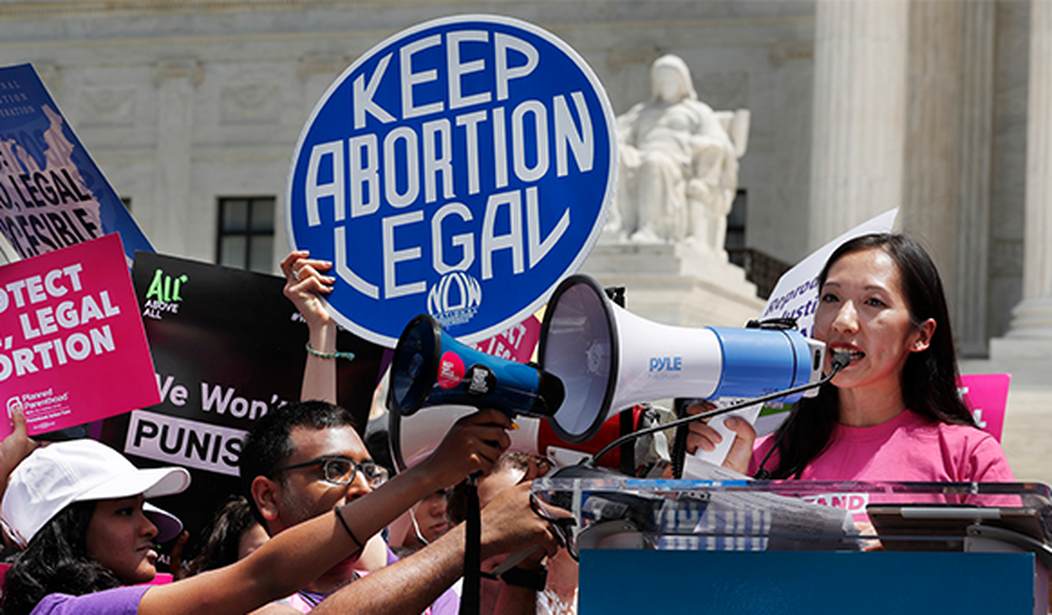
The U.S. Supreme Court will hear a contentious case involving South Carolina’s effort to bar Medicaid funds from going to Planned Parenthood. The case could be another major landmark in the debate over abortion.
The dispute began in 2018 when Gov. Henry McMaster issued an executive order preventing Medicaid funding for Planned Parenthood. The organization, joined by a Medicaid recipient seeking contraception services, filed a lawsuit against the state, arguing that the order violated federal protections ensuring Medicaid access to “any qualified provider.”
Republican-led South Carolina has long sought to bar Planned Parenthood from participating in Medicaid because it provides abortions. The legal landscape in the state has changed since the Supreme Court in 2022 overturned the constitutional right to abortion in the landmark Roe v. Wade decision. South Carolina now bans all abortions after six weeks — a threshold that makes the procedure increasingly rare.
Planned Parenthood has facilities in Charleston and Columbia that now provide limited abortion care in line with the new ban as well as other health care services including contraception, cancer screenings and pregnancy testing.
The case made its way through the lower courts, where South Carolina suffered a series of defeats. The state argues that the Supreme Court’s ruling that overturned Roe v. Wade brought about significant changes in the country’s legal landscape that allowed for such an order to be upheld.
Conversely, Planned Parenthood insists that excluding the organization from Medicaid makes it harder for women to access essential health services like contraception, cancer screenings, and pregnancy testing for low-income patients.
John Bursch, an attorney with Alliance Defending Freedom who is representing the state, said in a statement that pro-life states “should be free to determine that Planned Parenthood and other entities that peddle abortion are not qualified to receive taxpayer funding through Medicaid.”
Planned Parenthood pointed out that Medicaid funding for abortion is already prohibited under federal law except in cases of rape, incest, or when the mother’s life is at risk. It repeatedly pointed to the other services it provides to its patients.
“The technical legal issue is whether people eligible to use Medicaid, a program for low-income people administered by states, can sue in order to pick the qualified health care provider of their choice,” NBC News explained.
South Carolina contends that a different 2022 Supreme Court ruling involving a nursing home patient backs up their arguments in this matter.
But last year, the justices sent the matter back to an appeals court for further review in light of a similar case involving a nursing home patient whose wife sued over what she said was inadequate care. While the court sided with the patient in that case, South Carolina believes the ruling changed the legal landscape in a way that helped their arguments.
But a three-judge panel of the Richmond-based 4th US Circuit Court of Appeals disagreed with that take and sided with the patient and Planned Parenthood.
The Supreme Court is set to hear arguments next year. Its ruling will likely further define the extent of state powers when it comes to regulating Medicaid funding.



Join the Conversation
VIP members get the ability to comment on articles.