
As colleges and universities head back into session, administrators are trying to figure out how to protect students and staff from the Wuhan coronavirus. The general consensus is rules can be enforced on-campus. It's off-campus where things get murky.
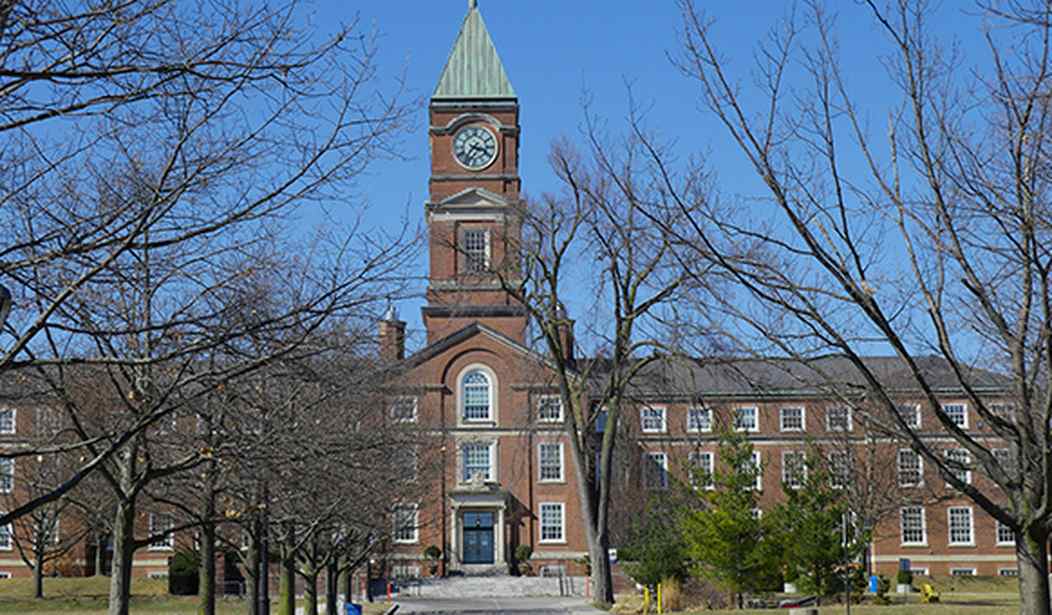
Northeastern University in Boston decided to take things a step further. The university received word of a social media poll a freshman was running. The student was asking his classmates whether or not they would be attending parties once school started. The school's spokesperson, Renata Nyul, said 115 students answered "yes," and another 640 said "no" to the poll.
The university contacted the student who started the poll and was instructed to turn over the names of every student who said "yes." School officials contacted the students and threatened to rescind their admission if they refused to sign a pledge to follow the rules, including no off-campus parties, the Wall Street Journal reported.
"You have displayed a disregard for health and safety measures, jeopardized our chances to keep our community safe, and increased the possibility that you and others—including your classmates—might not be able to complete the semester," officials wrote in a letter to students.
One of the biggest things that intrigues me about this entire saga: does the university have the legal right to demand the names of students who answered yes to this poll? To some extent, this would seem like an invasion of privacy, especially if there is no court order demanding the student hand over this information. Instead, the university is blackmailing the student into handing over the names. If he or she didn't, then they would be kicked out of the university before they even start. It's a catch-22, really. On the one hand, the university has an obligation to protect students. On the other hand, students need to take some responsibility for their actions. They're adults and need to be treated as such. That means making their own decisions and dealing with the consequences of those actions.