





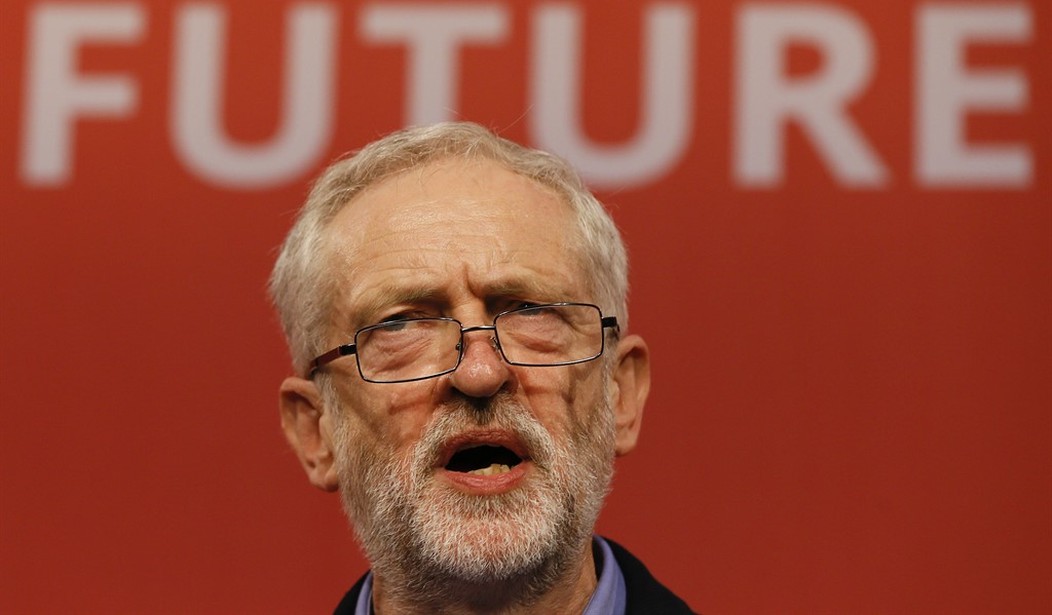
BRIGHTON, United Kingdom – Britain’s new hard-left opposition leader Jeremy Corbyn has called for a vote at his Labour Party's annual conference to abolish the country's nuclear defense system Trident. Corbyn was only elected a few weeks ago on a socialist ticket, despite bookies putting his chances of winning at just 200/1.
He had hoped his party would vote today on a policy that would see the nuclear deterrent dismantled if he wins the next general election in 2015. However, opposition to the plan came from an unlikely source: the leader of the Unite Trade Union, Len McCluskey.
Mr McCluskey is known as “Red Len” because of his far left views on taxation and workers rights but expressed concerns jobs would be lost if the plan went ahead. Many of which would go from the Clyde Naval Base in Western Scotland, which currently employs around 8000 people.
Ever since the British government announced a review of military spending Trident has been at the forefront of discussion. The system itself is four Vanguard-class submarines armed with Trident II D-5 ballistic missiles. As part of Britain's “permanent deployment” policy one of the submarines is always at sea in a secret location. This would allow the UK to 'hit back' at its enemies even if all its forces were destroyed in a surprise attack.
Yesterday Mr Corbyn vowed to persuade his party that a "nuclear free world is a good thing", but the Unions instead claimed the policy was not important enough to put to a vote. This is significant because conference resolutions are binding on the party's manifesto at the election.
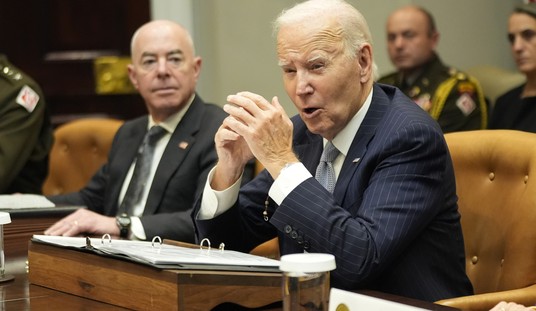
Corbyn told the BBC: "We are going to have to discuss it and debate it and come to a philosophical solution to it. But I understand colleagues' views. I will do my persuasive best to bring them around to my view.
He explained he had backing down on this occasion because: "Mr McCluskey said that his union has enough support to defeat any resolution calling for Trident to be scrapped at the Labour conference."
Those opposed to Britain having a nuclear deterrent had been gaining ground recently because of the end of the Cold War. However, there have been a number of examples of Russia recommencing practice nuclear bombing raids around the UK. Several of which disrupted civilian aviation over the English Channel, the sea that separates the country from France.
Had Scotland become independent the new government would probably have forced the Royal Navy to shut the Clyde base and relocate the whole system. The estimated cost of this was put as high as several hundred billion dollars, and included one plan to change US law to enable the UK to use bases in America itself.
News of Labour's desire to cut military defenses came on the day the UK announced it was sending 300 British troops to South Sudan and Somalia as part of peacekeeping efforts to counter Islamic militants. Local forces and UN peacekeepers have been struggling to hold back the tide of a growing Islamic insurgency that is destabilizing the whole region.
Britian has been player in these sorts of international conflicts for hundreds of years, and there are now fears the left want to diminish the country's role.







Join the conversation as a VIP Member