







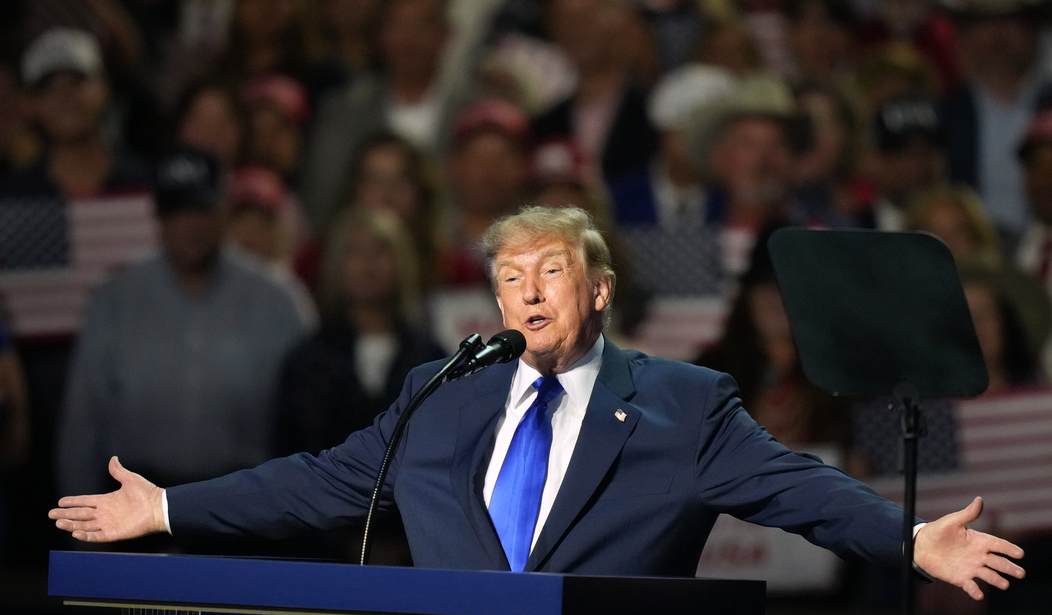
In a major step for AI safety, and the first meaningful move toward market-based rather than government-enforced safeguards, President Trump and the CEOs of several leading AI firms on Tuesday signed a “morally binding” White House Accord on Super Intelligence.
White House Accord on Super Intelligence pic.twitter.com/NVNkHmLcbk
— The White House (@WhiteHouse) September 30, 2026
Rather than defaulting to government regulation, a route that tends to multiply complications with the enthusiasm of a federal form, Trump secured voluntary commitments from major AI companies to police themselves. The accord calls for “robust internal processes and controls” through four distinct requirements and oversight mechanisms.
(1) Implement robust internal controls to monitor the capabilities and alignment of its models during training and deployment around areas like cybersecurity, biosecurity, and chemical threats, and to ensure that its models do not hack or access technical systems in unintended ways.
(2) Empower an internal team to ensure all of the controls, monitoring, and detection are operating as intended, and that any issues are remediated.
(3) Partner with an independent external auditor or evaluator to carry out independent assessments of whether the controls, monitoring, and detection are operating as intended.
(4) Designate an independent committee of the board of directors to oversee and receive reports from the teams operating the controls and the internal and external auditors and evaluators, as well as to ensure any issues identified are remediated.
The accord was signed by President Trump and six AI-industry leaders: xAI’s Elon Musk, Nvidia CEO Jensen Huang, Anthropic CEO Dario Amodei, Google CEO Sundar Pichai, Meta CEO Mark Zuckerberg, and OpenAI President Greg Brockman.
The accord also calls on participating companies to meet regularly to develop safety standards and best practices, a system Elon Musk characterized as “generally grading each other’s homework.”
🚨 JUST NOW: Elon Musk and Jensen Huang give an INSIDE LOOK at the big meeting between top AI firms and President Trump today, saying they'll now be "grading each other's homework" 😆@elonmusk: "We signed a JOINT DECLARATION regarding SI safety, and I think that'll be published… pic.twitter.com/me2uCgCjgA
— Nick Sortor (@nicksortor) September 29, 2026
Because the accord is voluntary, it's enforcement comes from the market: companies that release unsafe AI risk lawsuits, lost customers, collapsing trust, and investor backlash. Heavy-handed regulation, meanwhile, would choke off startups, cost jobs, slow investment, and raise the price of AI tools for the people and small businesses that stand to benefit most from them. After all, AI’s promise is not limited to Silicon Valley. It is prepared to make healthcare, education, customer service, logistics, and everyday services more efficient and affordable.
This comes after Nvidia CEO Jensen Huang announced earlier this week his own version of a market solution: the NVIDIA Open Agent Safety Platform, an open software platform and reference design intended to contain, monitor, and govern autonomous AI agents from testing through deployment.
AI safety is paramount, but the most effective safeguards will come from companies willing to take responsibility for the products they build. By pressing the industry to adopt meaningful standards, independent review, and real accountability, the Trump administration is helping steer AI firms in the right direction.
Editor's Note: Do you enjoy Townhall's conservative reporting that takes on the radical Left and woke media? Support our work so that we can continue to bring you the truth.
Join Townhall VIP and use promo code FIGHT to receive 60% off your membership.

Join the Conversation
VIP members get the ability to comment on articles.