





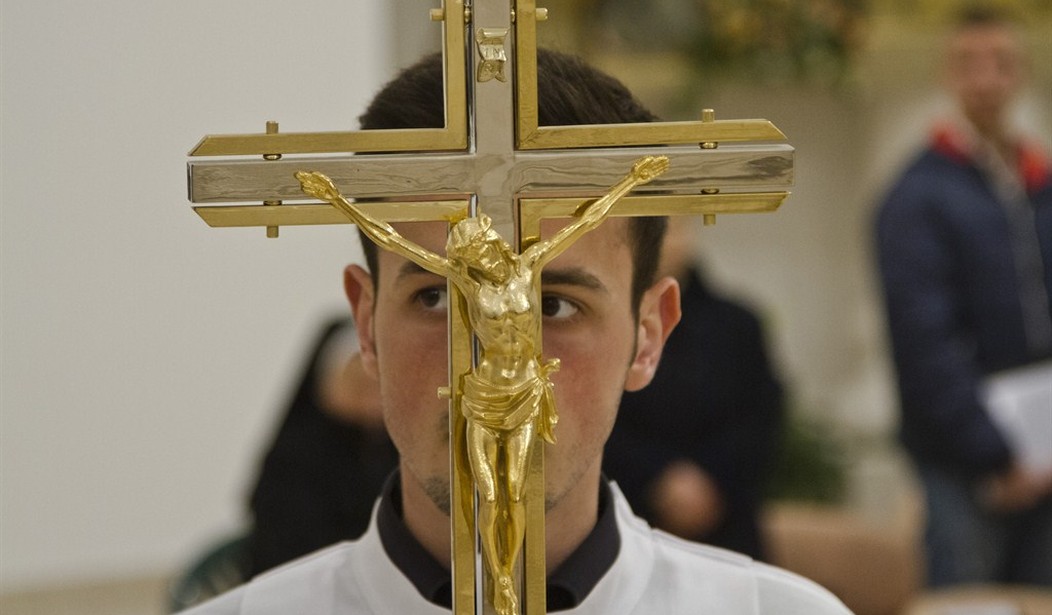
Several weeks ago, the High Court in Kuching, Sarawak state in Malaysia ruled that the human right of freedom of religion, as protected in that country’s constitution, protected a citizen’s right to choose his own faith. Rooney Rebit was born into a Christian family, but his parents converted to Islam when he was eight years old, which also “converted” him in the eyes of the law. As an adult, Rooney chose to follow Christianity and was baptized. Often, Malaysian courts will stay out of such matters and defer to religious authorities. At times, Muslim religious authorities have sent Christians to “Islamic re-education centers” where they are pressured (and in some cases physically abused) to return to Islam. However, this time (thankfully, and commendably) the judge declared, “He does not need a Shari‘ah court order to release him from Islam, because freedom of religion is his constitutional right, and only he can exercise that right. . . . He is free to exercise his right of freedom to religion, and he chose Christianity.”
We must first recognize, and then nurture, the solidarity that we as American Christians share with our brothers and sisters facing this type of discrimination and persecution overseas. If we love them, we will be compelled to advocate for them. And if we know them, then we will love them. Without these necessary steps, advocacy will languish and we will miss out on joyful unity as the Body of Christ.
With this end in mind, Family Research Council and partnering organizations Open Doors, The Voice of the Martyrs, Institute of Religion and Democracy, In Defense of Christians, Christian Solidarity Worldwide-USA, the 21st Century Wilberforce Initiative, and International Christian Concern are calling on churches across America to observe April 17, 2016 as Stand with the Persecuted Sunday. During services that day, nearly 40,000 churches in the United States are being asked to take a few minutes to stand with believers across the United States and around the world by (1) praying for the persecuted (and persecutors), (2) participating in practical ministry to brothers and sisters overseas, and (3) promoting public policy that protects the persecuted such as standing for the universal human right of freedom of religion—which will protect people like Rooney and others.
This is a huge goal. It will not happen overnight, but we must start somewhere. When the domestic church is energized to stand with the overseas church because it recognizes persecution against them is persecution against us, this energy will reverberate into the political and cultural spheres, resulting in an increased focus on religious freedom in our foreign policy.
Are voters currently demanding this of our presidential candidates? No. It is needed, however. But grassroots Christians must be energized to do anything about it. The domestic church is a sleeping giant. If it woke up to the needs of brothers and sisters overseas, we would see much more action.
When will voters demand that an understanding of religious freedom including the ability to manifest one’s beliefs and choose one’s faith—as articulated by Article 18 of the International Covenant on Civil and Political Rights—be the minimum standard for political engagement on this issue? Those in the United States will make this demand when they feel attacked every time a fellow believer is persecuted overseas. Working to protect this vision of religious freedom overseas complements its protection at home. The religious freedom we enjoy domestically, though described differently, also includes the ability to manifest and choose one’s beliefs.
The horrors wrought by ISIS have crystallized a pressing, worldwide issue—the persecution of Christians and others based on their religion. Re-energized engagement on this issue requires a re-energized church, which is the goal of Stand with the Persecuted Sunday. While the road is long, we must start somewhere. April 17th is as good a day as any.


Join the Conversation
VIP members get the ability to comment on articles.