





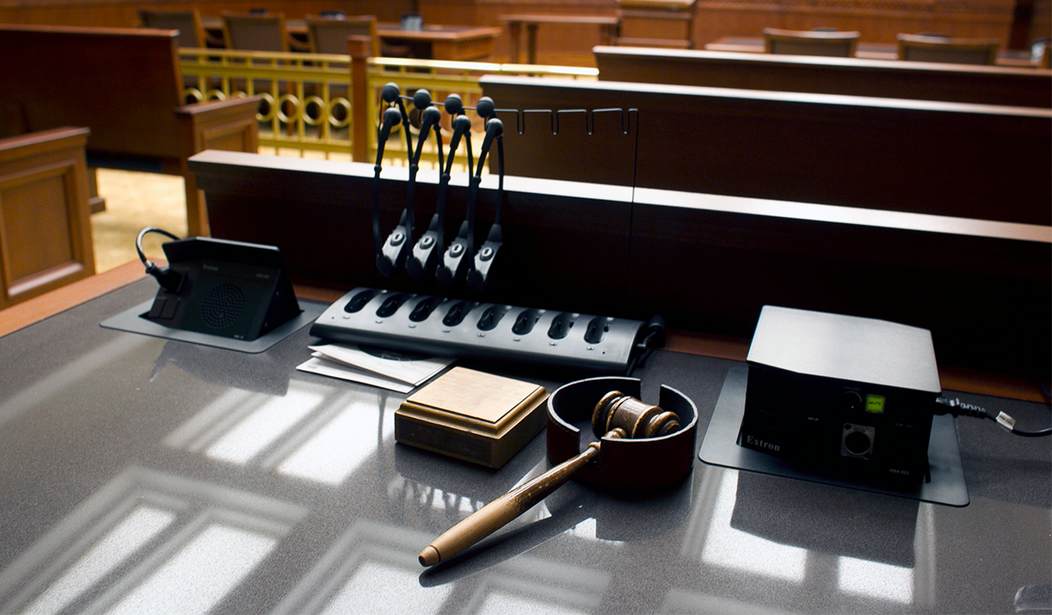
In American courtrooms, the credibility accorded to “expert” testimony can make or break cases.
When such testimony or evidence is reliable, it offers a powerful tool for justice. When "junk science" finds its way into proceedings, however, the results can be disastrous—especially for defendants in tort litigation.
That danger was on full display in the 2001 case Ballinger v. Brush Wellman, Inc., which illustrates the risks of unreliable expert testimony.
In that lawsuit, Dr. David S. Egilman served as the plaintiff’s expert, offering opinions on the health risks of beryllium exposure. His testimony later received criticism for manipulating data and relying on speculation rather than established scientific principles. Specifically, Dr. Egilman's methodology involved selectively citing studies and drawing unsupported extrapolations, raising serious doubts about his conclusions.
Fortunately, the court ultimately found that Egilman's opinions did not meet the standards for admissible scientific evidence. The judge concluded that his testimony lacked reliability and objectivity, leading to summary judgment in favor of Brush Wellman, Inc. Although a narrow escape, that outcome at least demonstrates how expert testimony, when unmoored from rigorous science, can sway cases unless judges intervene to restore fairness.
In other cases, without more rigorous enforcement of evidentiary standards, expert testimony can instead rely on speculative reasoning, cherry-picked data, or flawed methodologies. For-hire “expert” witnesses have become a particular problem in courtrooms—often earning substantial fees to present questionable opinions as fact.
Such testimony contravenes judicial evidentiary standards like Federal Rule of Evidence 702, which demand that judges exclude unreliable expert testimony to safeguard the integrity of verdicts.
That’s precisely the role that Rule 702 was designed to fill. That rule empowers judges to serve as gatekeepers, vetting experts before they present testimony to jurors to ensure the facts they provide remain rooted in sound methodology and peer-reviewed research. In doing so, Rule 702 helps ensure that experts are qualified and that cases are not undermined by misinformation or speculation designed to support predetermined outcomes.
Last updated in 2023, Rule 702 now requires that expert testimony be both relevant and reliable, grounded in sound methodology and peer-reviewed research. Importantly, it clarifies a judge’s responsibility to act as a gatekeeper, preventing scientifically flawed testimony and evidence from reaching jurors.
The stakes are particularly high in tort litigation, as these cases often involve complex scientific questions, such as whether exposure to a chemical caused harm to consumers.
To be sure, plaintiff attorneys are perfectly entitled to rely on expert witnesses to explain to jurors why their claims of damage are scientifically valid. When their testimony is rooted in faulty science, however, defendants may be held falsely liable without sufficient evidentiary support. For that reason, defendants often settle even completely baseless cases simply to avoid high legal fees, even if they’re not in the wrong. Businesses also face reputational damage from biased media even when they caused no harm or violated no law, and real science loses credibility.
Accordingly, Ballinger captures why judicial gatekeeping matters. Judges must act as watchmen of evidentiary integrity, ensuring that only valid scientific evidence is presented to juries.
Although enacted on the federal level via Rule 702, it’s imperative that states similarly take the necessary steps to align their own expert witness standards with the federal rule. States such as Delaware, Kentucky, and Ohio have amended their Rule 702 standards to reflect the federal amendment—preventing their court from producing poor decisions. But much potential for improvement remains.
Cases like Ballinger thus serve as cautionary tales, reminding us that the stakes are high. When junk science shapes outcomes, the consequences extend beyond individual litigants—they erode the credibility of the legal system itself.
Upholding rigorous standards protects both defendants and the integrity of justice. It’s therefore essential for judges to diligently adhere to the mandates of Rule 702, and for states to make progress in that direction, ensuring that expert testimony presented in their courtrooms remains firmly grounded in sound science.
Timothy Lee is Senior Vice President of Legal and Public Affairs at the Center for Individual Freedom, a nonprofit organization to advocate the principles of free markets, limited government, and international liberty.
Editor's Note: Do you enjoy Townhall's conservative reporting that takes on the radical Left and woke media? Support our work so that we can continue to bring you the truth.
Join Townhall VIP and use promo code FIGHT to receive 60% off your membership.



Join the Conversation
VIP members get the ability to comment on articles.