





I am a mom of three school-aged boys who play multiple sports. They mostly drink water but enjoy juice, lemonade, and even slushies regularly. Like most parents, I am committed to establishing good eating habits for them early in life, but I bristle at the idea of a Washington, D.C. bureaucrat dictating to me what they should drink.
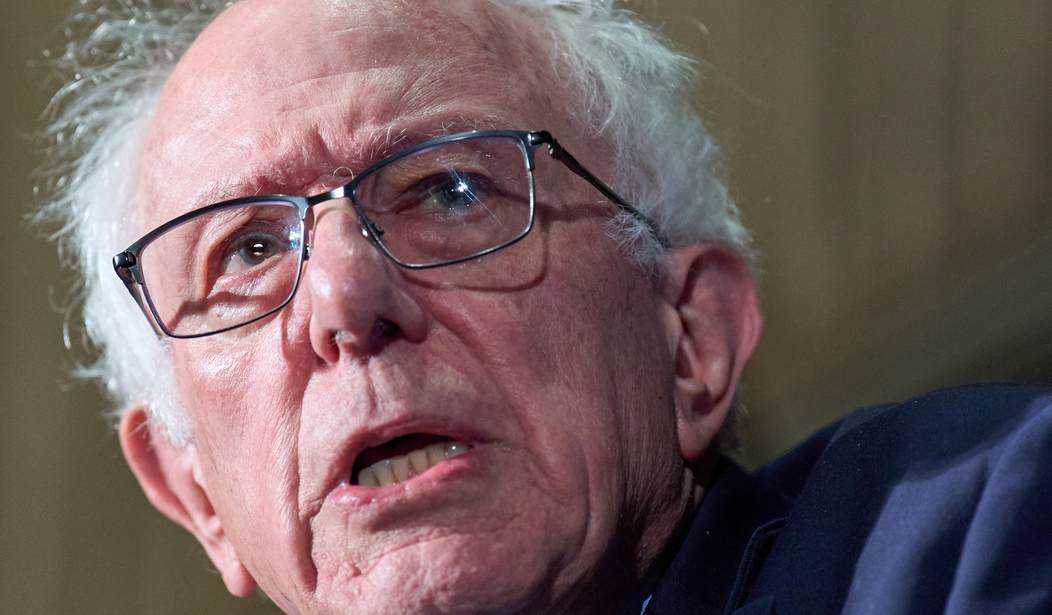
That’s why I am concerned about Sen. Bernie Sanders’ (I-VT) Childhood Diabetes Reduction Act, supported by Senator Roger Marshall. This federal bill opens the door to heavy-handed regulations on food and beverage labels that promise to make kids healthier but instead will make choices for parents costlier with little or no impact on health outcomes.
I support transparency: Transparency empowers parents to make good choices about what their families consume. The Food Industry Association finds that two out of three grocery shoppers value price transparency, namely easy-to-understand information such as ingredients, nutritional value, and production processes for the products they consume. However, this bill reaches beyond transparency in costly ways.
Sanders wants to mandate a new warning label be slapped on the front of foods and beverages with “high-intensity sweetener,” “ultra-processed food,” “sugar-sweetened beverage,” or other “junk food.” This may sound fine, except that there is no clear definition for “ultra-processed food,” and this ambiguity opens the door to nutrient-dense foods like pork being classified as unhealthy simply because they undergo processing.
I am all for consuming fewer calories and reaching for more fruits and vegetables, especially in meals and snacks for our kids. The challenge for many families is price and availability. Food affordability was in the top five concerns for Americans in a New York Times poll earlier this year. Short-term production issues can temporarily spike the prices of grocery store items. However, industry-wide mandates drive up the costs of hundreds of categories of goods for good.
Food labels are already regulated by law and governed by agencies like the Food and Drug Administration (FDA), which require extensive ingredient transparency that grocers, food packaging manufacturers, and wholesale distributors must comply with. These requirements are updated regularly.
The Sanders bill calls for a costly label redesign for food and beverage companies. Multiple economic analyses find that state patchworks of ingredient regulations significantly raise production costs and will drive a 12 percent increase in grocery prices for the average American household.
The compliance costs for a label redesign would be passed onto consumers through higher prices, exactly what they do not want right now. The burden of the junk food warning label would be borne disproportionately by low- and middle-income consumers.
Sanders has blamed the food and beverage industry for “massive profits” and scapegoated unhealthy foods as “fueling the twin crises of type 2 diabetes and obesity in America.” If he had the data to draw a direct line from the chips aisle to the doctor’s office, we might believe him, but he doesn’t.
Decades of research and analysis confirming the negative impacts from drinking alcohol or smoking tobacco underpin the warning labels on cigarette packages and liquor bottles. However, the data supporting the causal link between “ultra-processed foods” and diabetes is limited and certainly not conclusive enough to warrant an alarming new warning label. This is especially the case given the challenge of defining what counts as an ultra-processed food.
Surely no one needs a label on a box of Twinkies to know that they are junk food. A label could theoretically help on products that seem healthy but aren’t, but regulators aren’t prepared to make such distinctions yet. Ironically, the bill authors know this and call for more research into the topic alongside the mandate — placing the cart before the horse.
Diet is a key factor in developing diabetes, the leading cause of death and disability globally, according to the NIH, but it is not the sole factor. Stress, lack of exercise, inadequate fiber intake, poor sleep, and others also contribute. While the goal of combating childhood obesity is truly commendable, the situation calls for solutions that work. So far, there is no body of evidence that front-of-package junk food warnings reduce obesity rates.
Parents need more choices and better price points so they can decide what foods and drinks to purchase for their families. We need to make it easier and more affordable to buy healthy foods.
Public officials should seek ways to better educate the public about healthy choices. A national campaign to educate the public about the risks of obesity from poor nutrition and inactivity is a reasonable idea.
Scary new junk food warning labels sound like a quick fix, but are really virtue-signaling exercises that won’t trim waistlines, but will undercut household bottom lines.
Patrice Onwuka is the vice president for economic policy and director of the Center for Economic Opportunity at Independent Women.
Editor’s Note: Do you enjoy Townhall’s conservative reporting that takes on the radical Left and woke media? Support our work so that we can continue to bring you the truth.
Join Townhall VIP and use promo code FIGHT to receive 60% off your membership.

Join the Conversation
VIP members get the ability to comment on articles.