





Editor's Note: This column was co-authored by Hannah Anderson.
America spends more than $5 trillion a year on healthcare, nearly one-fifth of our entire economy. In 2023 alone, health spending increased 4.4 percent, outpacing economic growth. Nearly 90 percent of that spending is tied to chronic disease, according to a 2017 RAND report and data from the U.S. Centers for Disease Control and Prevention.
We have the best doctors, the most advanced treatments, and cutting-edge innovation. Yet Americans are getting sicker.
Seventy percent of American adults are overweight or obese, and nearly one in three adolescents is pre-diabetic, according to the U.S. Department of Health and Human Services (HHS). Americans are living longer, but they are also managing more illnesses, more prescriptions, and more preventable conditions than ever before.
That’s what happens when a system treats the symptoms but ignores the cause. And the chief cause is what Americans eat.
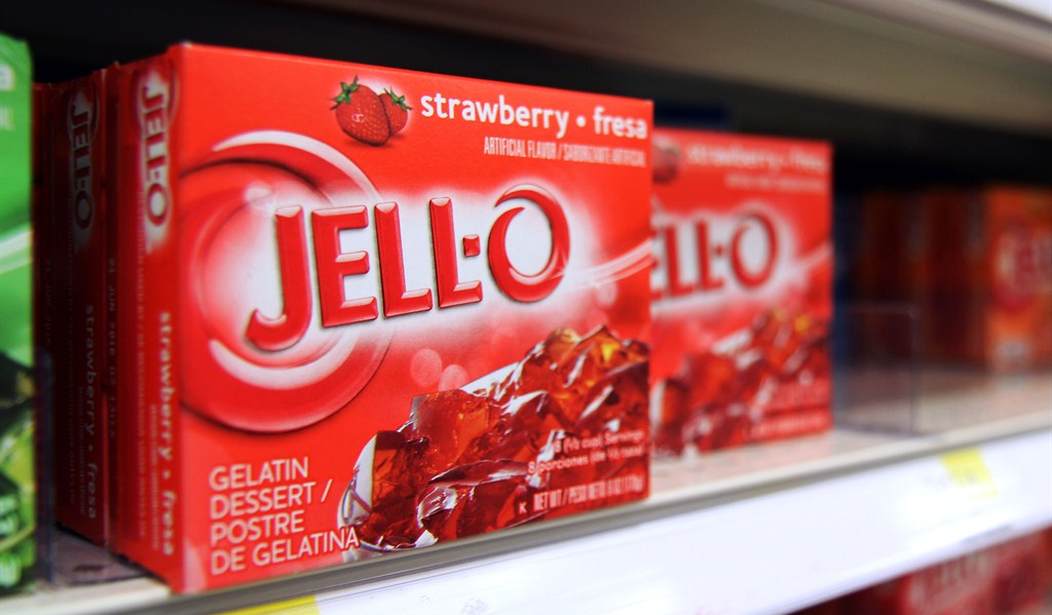
Nowhere is that disconnect clearer than inside our hospitals. All too often, the very institutions designed to heal serve food that undermines recovery. Patients joke about it, but it’s not funny. Cheerios for heart health. Post-op Jell-O. Over-processed, low-nutrient, sugar-saturated meals for chemotherapy patients.
While hospital systems operate under layers of regulations, legacy practices, and cost pressures, the inexcusable result is that patients in critical need of real, nutrient-dense food too often get the opposite. The National Cancer Institute has made clear that patients undergoing treatment need increased protein and calories to maintain strength, prevent malnutrition, and support recovery. A 2024 NIH review found that targeted nutritional interventions during chemotherapy can improve fatigue, treatment tolerance, and overall outcomes.
In other words, food is not just about prevention. It is an essential part of treatment.
Yet we treat it like an afterthought.
For decades, our healthcare system has focused almost entirely on intervention, prescribing more drugs and procedures and sending costs spiraling upwards. Diet – one of the most powerful tools for improving outcomes—has been sidelined.
If we are serious about improving outcomes and lowering costs, we cannot keep treating food as separate from care. Nutrition must be integrated into the healthcare system, not as an add-on, but as a foundation. That starts with policy.
The Trump Administration, through HHS, has taken meaningful steps to shift Americans away from ultra-processed foods and harmful additives. The updated Dietary Guidelines for Americans reflect a return to basics: real food, whole ingredients, and nutrient-dense diets. Federal policy is moving in the right direction, but too many hospitals remain stuck.
Nicklaus Children’s Hospital in Miami is leading the way. They are rethinking how food fits into care, partnering with local farms to deliver fresh, nutrient-dense meals to patients, including children undergoing intensive treatment. It’s a straightforward and transformative idea: align what hospitals serve with what helps patients heal.
At the federal level, we should incentivize hospital systems to meet “real food” standards aligned with the Dietary Guidelines for Americans. Programs like CMS’s Rural Health Transformation initiative can support hospitals that invest in better procurement practices, local sourcing, and nutrition-based care.
We must also bring overdue transparency to the system. Federally funded hospitals—including VA facilities and military treatment centers—should report on the nutritional quality of the food they serve. Patients deserve to know that every aspect of their care supports recovery.
We also need more data. Expanding NIH research into medically tailored meals will quantify just how better nutrition leads to both better outcomes and lower costs.
By strengthening connections between hospitals and local agriculture, states can help build the infrastructure needed to deliver fresh, high-quality food to healthcare systems. Targeted tax incentives can encourage hospitals to source locally and invest in healthier options, without imposing one-size-fits-all mandates.
We can continue down the current path of treating disease after it develops, at ever-increasing cost. The wiser choice is fixing what’s driving disease in the first place. The evidence is overwhelming. Diet is directly linked to the development and management of chronic disease. Conditions like type 2 diabetes, cardiovascular disease, and hypertension are not just treated with medication; they are shaped by what people eat every day. Diet built around real, whole foods—whether it’s vegetables, lean proteins, or yes, even the humble root vegetables we’ve long overlooked—improves outcomes.
Real health starts with real food.
Stacey Schieffelin serves as AFPI’s Chair of the America First Women’s Initiative and Chief External Affairs Officer. Hannah Anderson serves as AFPI’s Director of Healthy America Policy and Senior Director of Policy.
Editor’s Note: Do you enjoy Townhall’s conservative reporting that takes on the radical Left and woke media? Support our work so that we can continue to bring you the truth.
Join Townhall VIP and use promo code FIGHT to receive 60% off your membership.



Join the Conversation
VIP members get the ability to comment on articles.