





Michigan remains one of the country’s most important battleground states. In 2024, Donald Trump flipped Michigan by roughly 1.4 points, with a record 5.7 million ballots cast. His victory depended in part on voters who do not consistently participate outside presidential elections. That creates a major challenge for Republicans in 2026. Michigan turnout falls significantly between presidential elections and midterms, and in a state where elections are regularly decided by only a few points, hundreds of thousands of voters staying home can determine the U.S. Senate race, governorship, legislative control, and races further down the ballot.
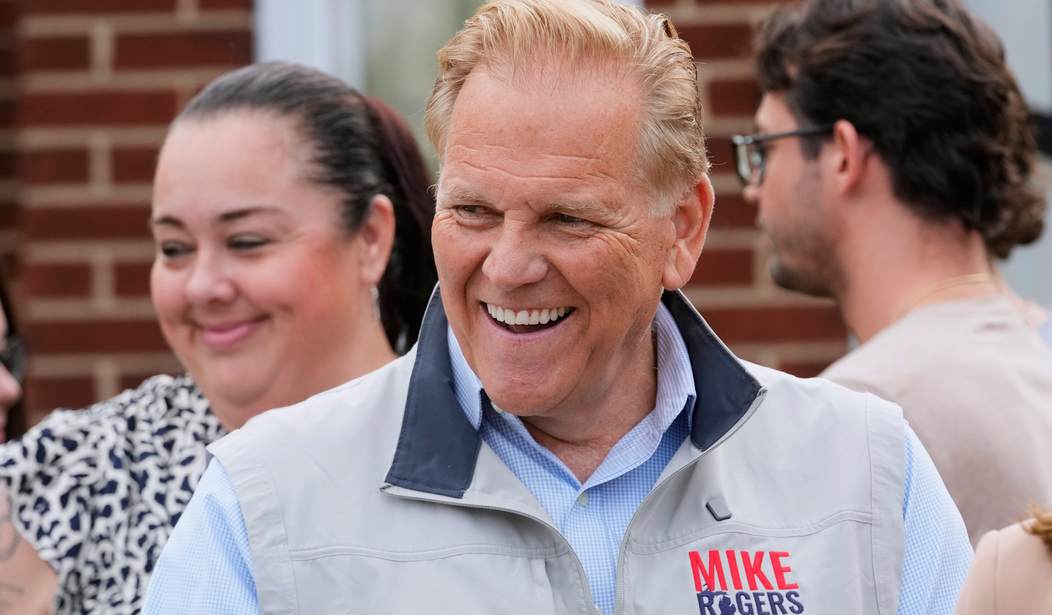
At the same time, Republicans face political headwinds. Higher energy costs, pressure on the auto industry, tariffs, inflation concerns, and the war in Iran could affect working-class voters who helped form Trump’s 2024 coalition. Recent primary turnout should also serve as a warning, with Democratic participation outpacing Republican turnout in major statewide contests. The stakes are significant: Democrat Abdul El-Sayed faces Republican Mike Rogers for U.S. Senate, while Democrat Jocelyn Benson faces Republican John James for governor.
Because of these challenges, Republicans cannot depend only on voters who participate in every election. They must reach low-propensity voters, especially Trump supporters and Republican-leaning voters who have previously skipped midterms. Working-class, non-college, rural, and suburban voters are an important part of that universe. Turning out even a small percentage of these voters could decide close races across Michigan.
Reaching those voters, however, requires more than television advertising. Door-to-door canvassing remains one of the most effective ways to personally reach voters. Television talks at voters; canvassing allows campaigns to talk with them. At the door, canvassers can answer questions, discuss issues, provide voting information, and identify supporters who may need additional contact before they vote.
More importantly, canvassing should not operate alone. Texting, digital advertising, direct mail, and field operations should work together as part of the same strategy. A voter might see a digital ad, receive a mail piece, get a text, and then speak with a canvasser at the door. Each contact reinforces the others and keeps the campaign’s message in front of the voter.
America PAC demonstrated the potential scale of this strategy in 2024 by knocking on millions of doors across battleground states and targeting voters with inconsistent voting histories. The lesson from that effort is not simply to knock more doors. It is to knock the right doors. Campaign resources are limited, and repeatedly spending money on voters who are already certain to participate is less valuable than identifying supportive voters whose turnout remains uncertain.
For that reason, voter data and field operations must work together. Campaigns should identify low-propensity voters early and begin reaching them months before Election Day. Those voters can then receive repeated communication through canvassing, texting, digital advertising, and direct mail. The goal should be consistent contact while avoiding unnecessary spending on voters who are already certain to participate.
Just as important, strong field management is necessary to make sure those resources are actually producing results. Campaigns need GPS tracking, auditing, accurate reporting, realistic door goals, and systems that verify voter contacts. A large door count means little if the underlying data cannot be trusted.
From my experience working in political field programs across the country, the strongest operations rarely rely on a single tactic. Instead, they combine field, texting, digital advertising, mail, and other voter-contact methods into one coordinated program. Television, digital, mail, and texting remain important. Canvassing provides the personal connection that brings those efforts directly to the voter.
Ultimately, Michigan’s Senate race, open governorship, legislative contests, and local elections will be decided by who actually votes. Democrats will have their own aggressive and well-funded turnout operation, and Republicans cannot assume everyone who voted for Trump in 2024 will automatically return in 2026. Many will, but others will need to be contacted, reminded, and given a reason to participate.
That is why the work begins long before Election Day. It means door after door, text after text, digital impression after digital impression, and mail piece after mail piece. It may not be the most glamorous part of campaigning, but it is how close elections are won.
In the end, Michigan Republicans who prioritize low-propensity turnout will give Mike Rogers, John James, and Republican candidates across the state their strongest opportunity to compete in November. Midterms are often decided by the voters who almost stayed home.
Editor’s Note: The 2026 Midterms will determine the fate of President Trump’s America First agenda. Republicans must maintain control of both chambers of Congress.
Help Townhall continue to report on the Democrats’ radicalism and inform voters as our nation faces a crossroads. Join Townhall VIP and use promo code FIGHT to receive 60% off your membership.

Join the Conversation
VIP members get the ability to comment on articles.