





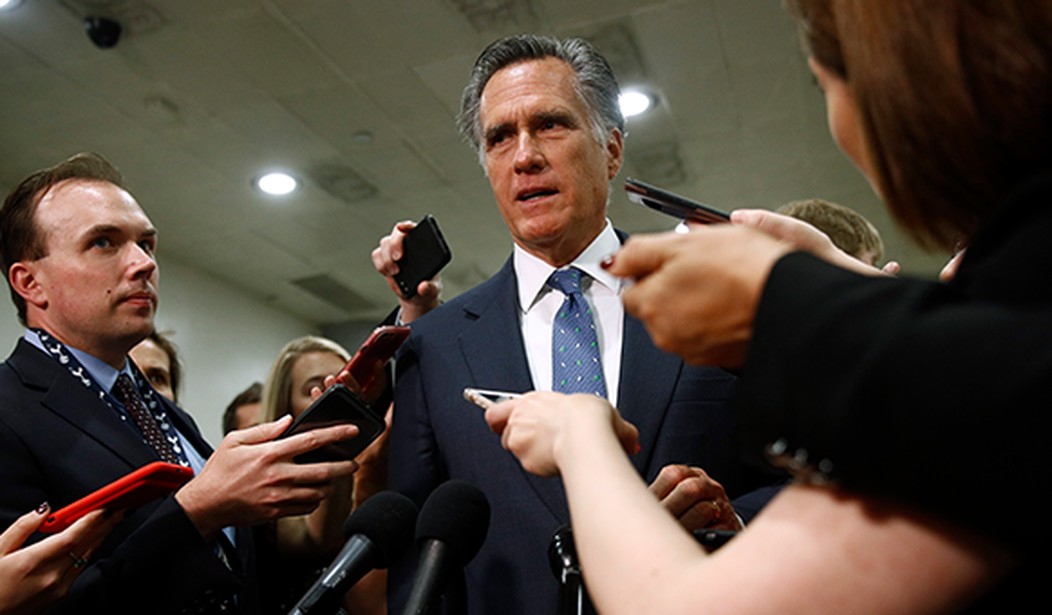
Senator Mitt Romney recently made headlines when it was reported that he was considering a federal bill that imposes a carbon tax, a new nationwide tax on energy use and production in the United States. Passage of a carbon tax is a top priority of the environmental Left and has even attracted allies among corporate public relations departments at various multi-national companies.
Contrary to a favored narrative, however, there is no momentum for a carbon tax. Sen. Romney and Republicans in the House and Senate have wisely steered clear of this burdensome tax and should continue to do so.
Time and time again, voters of all stripes have rejected carbon taxes. In solidly blue Washington state, two separate carbon tax proposals in 2016 and 2018 failed to gain the necessary support for passage among voters. Republican Congressman Carlos Curbelo (R-Fla.) made a carbon tax a top legislative priority of his and despite significantly outperforming Donald Trump in a deeply blue district in 2016, was ousted in 2018 as a result.
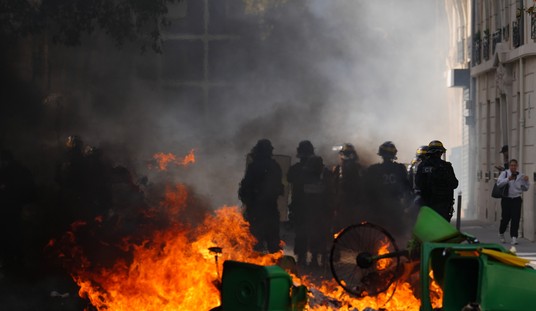
Outside of the U.S., carbon taxation programs haven’t fared any better. Carbon taxes were the primary spark of the riots in France, resulting in the suspension of the scheduled carbon tax increase. In Canada, residents are revolting against Prime Minister Justin Trudeau’s carbon tax. In Ontario, Canada’s most populous province, voters kicked out the carbon-tax supporting ruling party. Voters in Alberta did the same. In Australia, the longtime governing coalition of Labor and Green parties lost power after a center-right coalition promised to (and successfully did) repeal the tax. The lesson is clear: a carbon tax is toxic at the ballot box.
Carbon taxes raise the cost of utility bills, groceries, gasoline, and the costs of producing and transporting nearly every product on the market. That’s one of the reasons nearly every conservative organization in the country recently sent a letter to Congress that stated unequivocally: “We oppose any carbon tax.”
The harms of a carbon tax aren’t limited to private businesses or consumers. When utility bills and gas prices go up, local governments feel the pain, too. In fact, a school district in Canada was forced to eliminate bus services for 400 public school students after facing a $3.3 million carbon tax bill. Proponents of a carbon tax have not addressed how local fire departments, school systems, and municipal governments are supposed to shoulder the burden of these costs.
In the case of the federal carbon tax bill, the so-called Energy Innovation and Carbon Dividends Act, the bill authors think they have designed a clever way to curry favor with voters, with what they call a “dividend.” Essentially, once bureaucrats in Washington get their cut of more than $1 trillion in new taxes, people are sent checks to help lessen the burden of higher prices on everything. The system for imposing the tax and the accompanying dividend is regressive, complicated, and will require a significant growth of government.
These “dividend” payments will be subject to income taxes. Households will have to deal with more paperwork for each member of the family before the annual April 15 deadline. This income tax increase caused by the carbon tax will also eat into Social Security benefits, as a much larger portion of the benefit becomes subject to taxes.
Senator Chris Coons (D-Del.) has stated that his carbon tax bill is "likely to be Democrat only,” and it is not hard to see why. Arbitrarily imposing higher costs on traditional energy sources and the products produced or transported with them will adversely impact nearly every aspect of life in America. The tax would have a disproportionate impact on low and middle income households. Taxpayers should applaud Senator Romney for steering clear of this onerous tax.
Join the Conversation
VIP members get the ability to comment on articles.