







When I was entering high school in the early 1970s, sit-ins for the environment and a new thing called Earth Day were all the rage. I wore a green and white striped eco-flag patch on my Army-surplus jacket. We identified with a non-partisan, global youth movement that was behind efforts to fight air and water pollution. When Congress passed the National Environmental Policy Act (NEPA), I believed that America was doing the right thing to mandate an Environmental Impact Statement (EIS) for major projects that required federal approval.
Fifty years hence, I still believe in the spirit and goals of the environmental movement. Environmental stewardship is an ongoing mission for everyone. To that end, I also support the EIS process: It requires a conversation between project developers and the public. It ensures that projects meet agencies’ objective permit standards (e.g. limiting the parts per billion of pollutants coming out of a smokestack or a water pipe.) It promotes science as it makes sure agencies consider less tangible, values-based norms we share like respecting wilderness, open space, good hunting and fishing, diverse and abundant wildlife populations, and limiting noise, traffic, and other development impacts
At the same time, the EIS process has produced bad, unintended consequences. It has added uncertainty to and prolonged the permitting process for too many projects. It routinely forces the expenditure of a lot of money on design and engineering work in advance of permitting decisions that don’t need so much specific information. It has invited a continuous stream of lawsuits over the adequacy of assessment and generated lengthy documents few people read. In short, the process itself, rather than specific opposition or a project’s failure to meet objective standards, has come to delay, add great expense to, or even to block projects our nation needs.
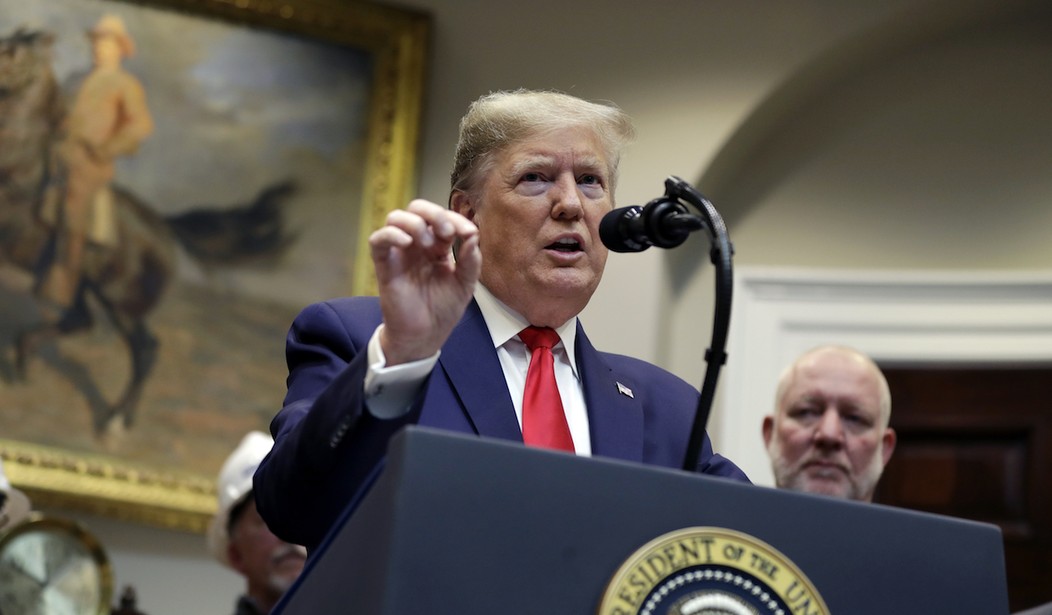
We should update and reform this system. A recent set of executive orders by the Trump administration has set the stage for the first comprehensive update to the EIS process since 1978. These reforms would limit the time and expense project developers, government officials, and the public all face in the EIS process.
For the past three years, the Council on Environmental Quality, which oversees this process, has earnestly crafted these measures. As CEQ Director Mary Newmayr notes: “The process for completing environmental impact statements for highway projects now exceeds seven years and statements currently average over 600 pages, and in some instances are thousands of pages long. In many cases, it can take a decade or more before permits are issued and construction can begin.”
Some critics instantly dismissed the new EIS rules as quick Trump administration policy to fire up bulldozers and advance economic growth at the expense of the environment. But a closer look shows the new rules would still consider the environmental costs as well as the economic benefits of projects, namely economic growth and jobs. Citizens who believe impacts are overlooked can still head to the courts. But some burdens will be lifted.
If regulatory procedures create costs and obstacles to development without a discernable protection for people or the environment, how are we served? Environmental rules should protect the environment, rather than waste time, paper, and money.
America’s environmental laws have set standards around the world. But when policies become costly and convoluted, they drive development of natural resources and infrastructure to other nations with lesser standards, then we need to change them.
Early in my career, I helped lead Alaska’s state environmental agency. We were a cooperating agency in several EIS processes, including some controversial mines. Some of those mines are operating today, and some never made it through the gauntlet. EIS completion was required before almost any key permit was issued. It was then that I found the EIS process, as it had evolved, was often a barrier to problem solving, a process with no discernable schedule, and an impediment to investment.
In one case, we found that if we gave credence to a new idea with less potential environmental impact, it became an “alternative” in the EIS process. If it became an alternative, it had to be studied. If it had to be studied, it would set back the project in time and expense to the point that the whole EIS process might begin again.
I have seen a similar dismissal of alternative consideration in other, more recent projects pending in Alaska. This has caused me to realize that while NEPA’s goals continue to have merit, an accumulation of lawsuits, new mandates, and case law has created a process of, by, and for itself rather than for the environment. For that reason, I welcome CEQ’s start on modernization of the process.
CEQ’s proposed revisions to NEPA are open for comment to March 10. There is a chance to greatly streamline this cumbersome process. Inevitable court cases will follow, and hopefully the courts will approve this EIS modernization approach that has been long in coming.


Join the Conversation
VIP members get the ability to comment on articles.