





It seems far too infrequent these days that Republicans and Democrats can come together to pass common sense and successful healthcare policies, but that is exactly what we saw late last year when a federal bill to increase the legal age of purchasing tobacco products from 18 to 21 passed with bipartisan support. Senate Majority Leader Mitch McConnell introduced the original “Tobacco 21” bill alongside Senator Tim Kaine, and the then bill passed the Democrat-led House and was signed into law by President Donald Trump.
Not only did this bill have bipartisan support by elected officials, 73 percent of the American people supported it. And it is easy to see why - Tobacco 21 may be one of the most significant public health policy shifts that protects the health and wellness of the next generation.
According to a Food and Drug Administration (FDA) report commissioned in 2015, a federal Tobacco 21 law would reduce adult smoking by 12 percent and in the long term, would prevent 223,000 of today’s youth from dying earlier from illnesses caused by tobacco use. Other models have similarly confirmed that Tobacco 21 laws would “significantly increase overall life expectancy while simultaneously reducing health-care costs.”
Because of the overwhelming scientific evidence regarding the health benefits of Tobacco 21, even before the federal bill became law, many states had already increased the legal age to purchase tobacco products. A study showed that those states on average showed a 39% decline in smoking among 18- to 20-year-olds. That study supports what scientific literature on Tobacco 21 has long suggested - a 'social multiplier' effect will amplify the impact of Tobacco 21 laws.
The reason for this is common sense. Most minors acquire their nicotine products from social sources and increasing the legal age to purchase products will limit the social sources for minors, particularly high school students. And about 90 percent of tobacco users begin before age 18, so preventing youth from smoking before 18 could prevent a large swath of minors from ever smoking.
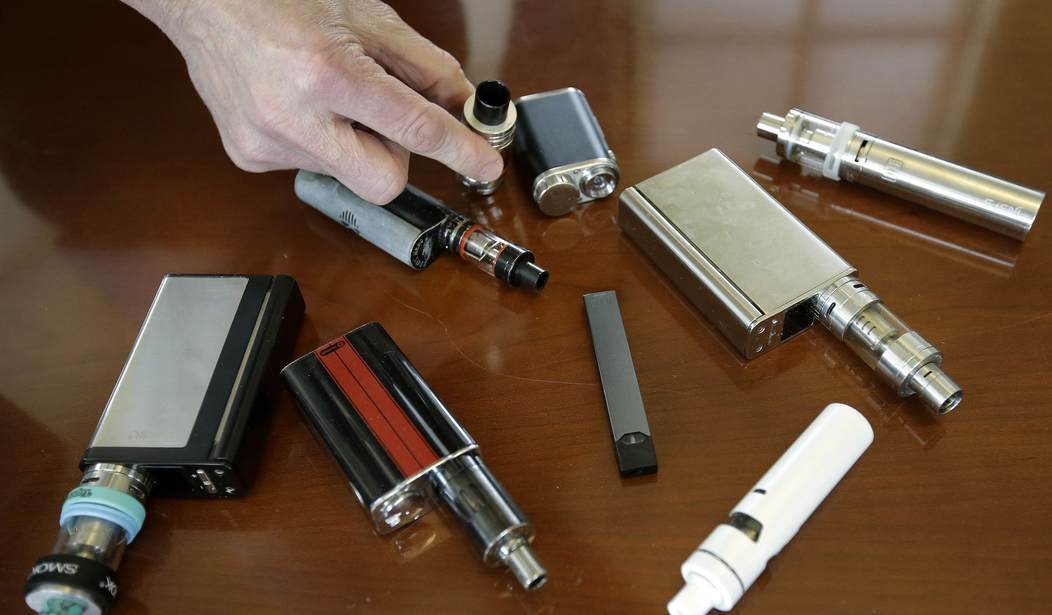
The need for a federal Tobacco 21 bill became more evident recently as we saw the rapid rise in teen vaping over the past few years. In 2019, over 5 million youth reported using e-cigarettes, with nearly 1 million using these products daily. While teen use of traditional tobacco products are at all-time lows, the increase in e-cigarette use raised alarm bells for public health officials, since using only e-cigarettes still increased the risk of developing lung disease by about 30% when compared with nonusers.
Thankfully, the early results of passing federal Tobacco 21 legislation are in, and shows that this policy is working.
The 2020 National Youth Tobacco Survey showed a decline in teen vaping for the first time in years, with 1.8 million fewer teens reporting using e-cigarette products. While there is more work to be done, this reflects tremendous progress made in short order that will have positive public health ramifications for years, and decades, to come.
With all the political divisions we see, it is important for us to remember that both parties can still work together to promote positive change, as we saw with Tobacco 21.
Jesse Grady, who is a JD Candidate at Maryland Law, MBA Candidate at Johns Hopkins, a former Regional Field Director for the Texas GOP, and a former staff member of President Donald J. Trump’s 2016 campaign.


Join the Conversation
VIP members get the ability to comment on articles.