





During a visit to Philadelphia last Wednesday, Clinton said she was "very supportive" of Mayor Jim Kenney's plan to pay for public preschool with a three-cent-per-ounce tax on sugar-sweetened drinks. "We need universal preschool," she said, and "that's a way to do it." Sanders, Clinton's rival for the Democratic presidential nomination, criticized her for supporting a tax that hits the poor especially hard.
Sanders is right in pointing out that a soda tax is highly regressive. Poor people are more likely than rich people to drink regular soda, and even if that weren't true, the money they spend on soda (including any applicable taxes) would represent a bigger share of their income.
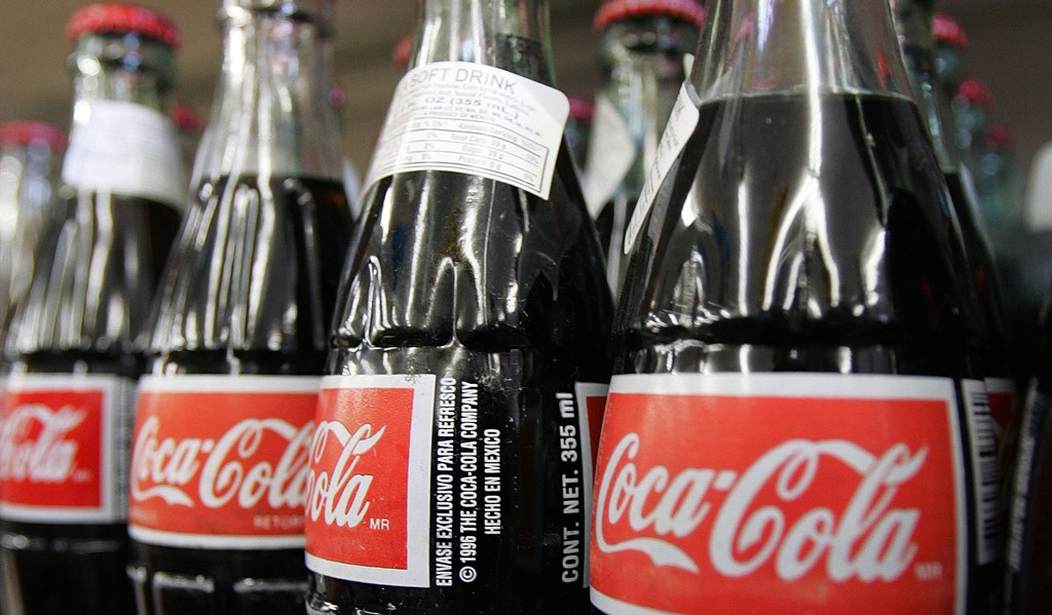
ShopRite in Philadelphia is currently selling three 12-packs of 12-ounce Coca-Cola cans for $12. Kenney's levy, if passed through to consumers, would more than double that price -- obviously a bigger burden for poor and middle-class shoppers than it is for the wealthy.
Mayor Kenney, who as a city councilman led the fight against a two-cent-per-ounce soda tax proposed by his predecessor, Michael Nutter, alluded to the regressive nature of the levy he now supports in his budget address last month. "The line that really got me four years ago was the claim that this tax would hurt low-income, minority communities," he said. "But the truth is that soda companies are the ones actually targeting their advertising at low-income, minority communities."
Kenney seemed to be implying that poor people of color buy soda only because they blindly do what billboards tell them to do, meaning the city would be doing them a favor by using taxes to discourage those purchases. Yet he also suggested that the new tax would come from the "incredible profit margins" of "large soda companies and wealthy distributors" rather than the pockets of poor people. Last week he called it a "corporate tax," declaring that "it is immoral and completely hypocritical for these vested corporate interests to pass this tax on to the very people they have profited from for decades."
Kenney seems to have forgotten that the whole rationale for taxing soda is to discourage consumption of an unhealthy product by raising its price. When researchers try to figure out whether the soda taxes imposed by Mexico or Berkeley are working as intended, the first thing they look for is higher soda prices. If the taxes are not passed on to consumers, these levies cannot possibly do what they're supposed to do.
Even if prices of sugary beverages go up, and even if consumers respond by drinking less of them, that change does not necessarily lead to a reduction in total caloric intake, let alone one big enough to have a noticeable impact on obesity. By eschewing the usual paternalistic justification for soda taxes, Kenney avoids such sticky questions as well as the resentment that comes from trying to steer people's dietary choices.
Kenney's strategy is logically suspect, since his claim that his tax won't affect prices makes you wonder why he decided to tax these products in particular. Yet playing down the "public health" rationale for soda taxes seems to be working.
In 2010, "The Philadelphia Inquirer" opposed Nutter's "hefty tax on sugary drinks," saying it was "regressive" and "will not have the desired impact" on obesity. But the paper's editorial board likes Kenney's even heftier tax on sugary drinks because Kenney has "refrained from overselling the uncertain public-health benefits."
When "The New York Times" asked Kenney about the public health benefits of his soda tax last month, he dodged the question. "There's really serious health benefits in pre-K," he replied.

Join the Conversation
VIP members get the ability to comment on articles.