






These are not things we expect Republicans to say, which is why Paul's voice will be sorely missed in this year's presidential race. The unifying thread in Paul's differences with his fellow Republicans is his insistence that the party's avowed skepticism of big government be extended to areas where conservatives tend to let Leviathan run free: national security, foreign policy and criminal justice. Now that Paul has ended his presidential campaign, there is no other Republican candidate to take on that role, so this dangerous tendency is apt to go unchecked.
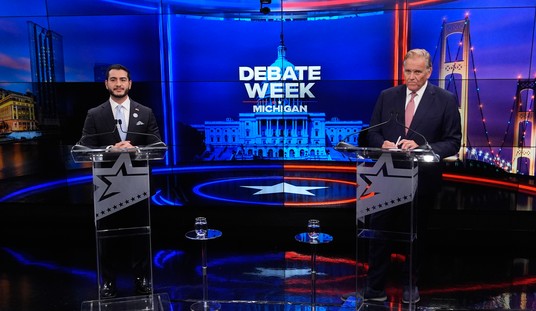
Paul was the only Republican candidate who defended the Fourth Amendment against the demands of an ever-more-intrusive national security state. "The bulk collection of your phone data, the invasion of your privacy, did not stop one terrorist attack," he said during the January 28 debate in Des Moines. "I don't think you have to give up your liberty for a false sense of security."
In a field where everyone else seemed to be clamoring for more military spending, Paul was the only candidate to call for restraint, saying that's "the only way we'll ever balance our budget." Just as "Democrats must admit that domestic welfare and entitlements must be reformed," he said in 2012, "Republicans must acknowledge that not every dollar spent on the military is necessary or well-spent."
Similarly, not every foreign intervention aimed at making Americans safer actually accomplishes that goal. Paul repeatedly made the case that overthrowing Middle Eastern dictators, no matter how nasty they might be, undermines U.S. security by empowering Islamic terrorists.
Paul does support military action to "destroy ISIS," and it's not clear how that can be accomplished without becoming entangled in the Syrian civil war. But unlike President Obama and many Republican hawks, Paul insisted that congressional authorization is constitutionally required to wage war on ISIS.
Just as Republicans tend to think more surveillance, more military spending, and more foreign intervention make us more secure, they historically have been inclined to believe there is no such thing as an excessively harsh criminal penalty. Paul, who wants to abolish mandatory minimum sentences, has been a leading proponent of reconsidering the assumption that tougher is always better, especially when it comes to nonviolent drug offenses.
For years, Paul has been saying drug policy should be devolved to the states as much as possible, and he was the only Republican candidate to call for the repeal of federal marijuana prohibition. He was also the only one to openly sympathize with black critics of law enforcement.
"Given the racial disparities in our criminal justice system," Paul said last year, "it is impossible for African-Americans not to feel like their government is particularly targeting them." He returned to that theme in the Des Moines debate, arguing that "our party needs to be part of" addressing those disparities and ensuring "equal protection of the law."
Republicans appreciate the value of competition and the dangers of monopoly, except when it comes to the government's monopoly on the use of force. Republicans say it is foolhardy for the U.S. government to reshape health care because it cannot collect all the information it needs, and there are bound to be unintended consequences. Yet, somehow, they think it is only prudent for the U.S. government to reshape the world.
If Paul was an outlier on these issues, it's only because Republicans have been so inconsistent for so long.
Join the Conversation
VIP members get the ability to comment on articles.