





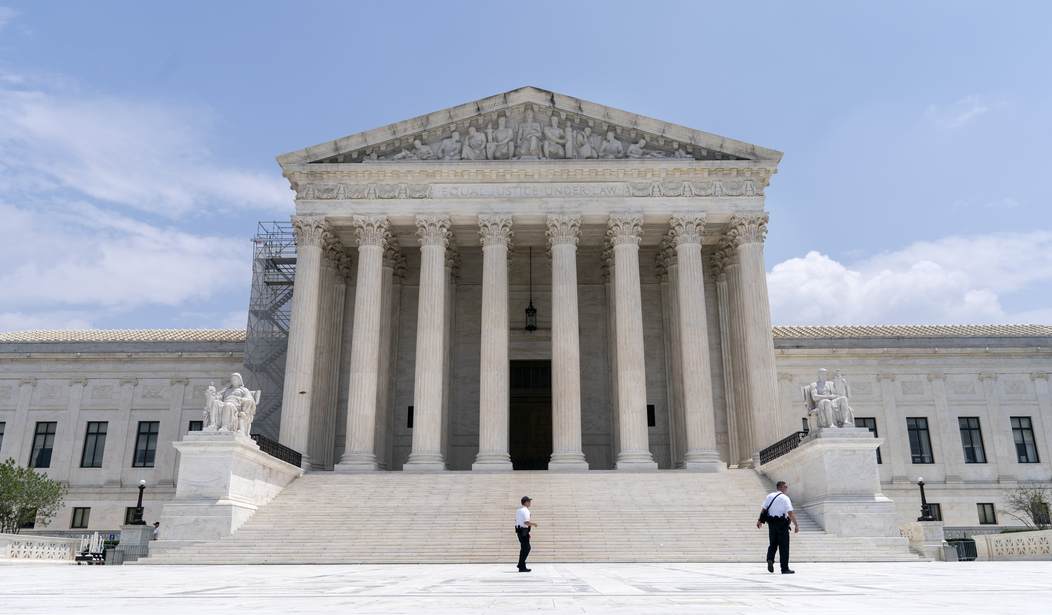
As frustration grows with rising healthcare costs and high drug prices, some policymakers have latched onto a familiar scapegoat: direct-to-consumer (DTC) pharmaceutical advertising. A growing movement on the left and right argues that banning drug ads on TV and online will lower prices, cut overprescription, and weaken corporate power. But in their rush to punish the industry, these advocates are running roughshod over one of our most essential constitutional principles: the right to free speech—including commercial speech.
Let’s be clear: DTC pharmaceutical advertising is not the cause of everything wrong with American healthcare. It’s a symptom of a complex and overregulated system. But targeting DTC ads through a federal ban is more than misguided—it’s likely unconstitutional. And attempting to mainstream the probation of commercial speech, or normalizing unconstitutional behavior carries tremendous risk for a wide range of other industries.
The First Amendment Doesn’t End with Corporations
In 1976, the Supreme Court ruled in Virginia State Board of Pharmacy v. Virginia Citizens Consumer Council that commercial speech—like advertising prescription drugs—is protected under the First Amendment. That means the government cannot ban ads simply because it disapproves of their message or fears they might influence consumer behavior.
Yes, commercial speech can be regulated to prevent fraud or deception. But banning truthful, non-misleading pharmaceutical ads altogether would not just restrict speech—it would eliminate it. That’s a constitutional red line.
The Court reaffirmed this in Sorrell v. IMS Health Inc. (2011), striking down a Vermont law that targeted drug marketing on the basis of content and speaker identity. The message from the Court was clear: Governments can’t silence speech just because it’s coming from an unpopular industry.
If we let politicians override that now—because it feels good or polls well—we open the door for future leaders to decide which industries are worthy of speaking at all.
Who’s Next After Pharma?
If the precedent is set that the government can ban advertising for a lawful product because it believes the product is harmful, where does it stop?
A future administration hostile to fossil fuels might ban advertising for gasoline-powered cars and natural gas stoves. A future White House could clamp down on cryptocurrency platforms,
claiming the ads mislead consumers and threaten financial stability. “Climate disinformation” be used to justify banning ads for beef, air travel, even private home ownership.
Once government grants itself the power to silence commercial messages it deems politically inconvenient or socially harmful, there are no brakes. The First Amendment becomes conditional—subject to the preferences of whoever holds office.
Make no mistake: the same logic being used to target drug ads today could be turned against conservative or libertarian-leaning industries tomorrow. What begins as censorship in the name of public health will morph into censorship in the name of climate, equity, or economic “fairness.”
Empowering Consumers, Not Bureaucrats
If the real concern is that consumers are being misled or overwhelmed by pharma marketing, there are better, constitutional ways to address it. Require clearer disclosures. Boost funding for independent comparative research. Expand price transparency rules. But don’t take the lazy and dangerous shortcut of censorship.
Banning DTC drug advertising might seem like a narrow, technical fix to a broken healthcare system, and the motive behind it might seem reasonable. In reality, it’s a sweeping assault on the constitutional boundaries that keep government power in check. Once we normalize the idea that certain messages can be outlawed simply because they’re unpopular or politically inconvenient, we will have lost far more than we gained.
The First Amendment is not a luxury—it is the firewall. If we let it erode for the sake of convenience or retribution, we shouldn’t be surprised when tomorrow’s leaders turn that same power against the speech we care about.
Kennerly Davis is a former Deputy Attorney General for Virginia and has over forty years of experience in corporate management, public service, and the private practice of law focused on constitutional rule of law, free speech, and regulatory reform.


Join the Conversation
VIP members get the ability to comment on articles.